Pheasant Hunting the South Dakota Prairie Without a Guide
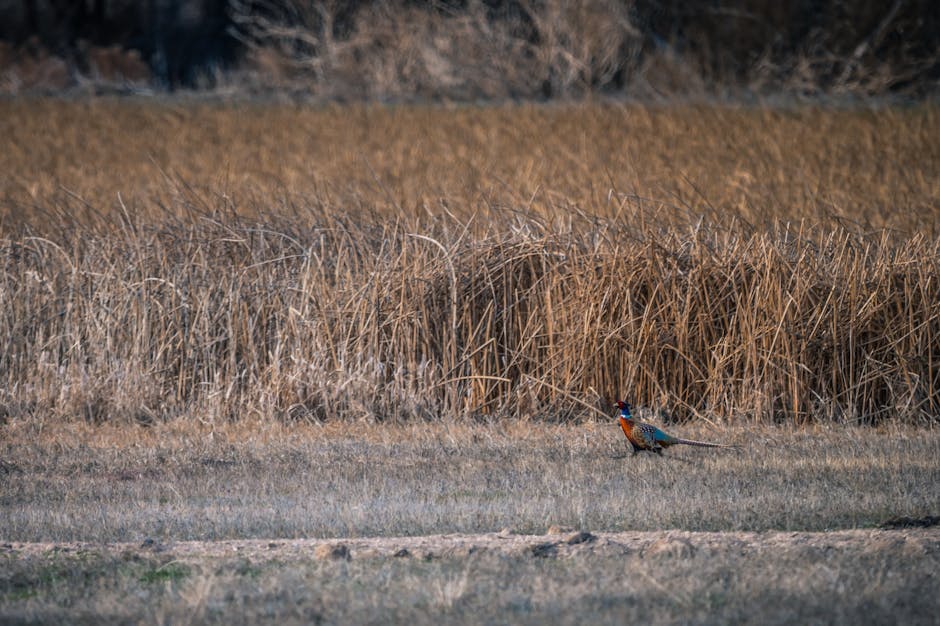
South Dakota is the pheasant state for a reason — the bird populations, the walk-in areas, and a culture of upland hunting that every other state aspires to. You don't need a guide to hunt it. You need a decent dog, comfortable boots, and a willingness to walk farther than you think you should.
Access: The Walk-In Area System
South Dakota's Walk-In Area program (WIA) opens up over 1.3 million acres of private land to public hunting at no additional cost beyond the pheasant license. You get a printed atlas or PDF with the boundaries, drive to the gate, walk in.
Non-resident pheasant license: around $125 for a small-game license plus stamps. Season runs roughly October 19 through January in most of the state. Resident limit is 3 roosters per day; non-resident is the same.
Get the atlas early. Many hunters download OnX Hunt or use the state's online mapping tool alongside the printed guide. Some WIA parcels are excellent; some are roadside strips that everyone hunts. Scouting before opening weekend helps.
The Dog Question
This is the honest conversation: hunting pheasants without a trained dog is possible but significantly less effective. Pheasants run in cover, hold tight under pressure, and die in fields where a hunter walked within ten feet and didn't know it.
Options:
- Your own bird dog — Labs, Goldens, GSPs, English Setters, English Pointers, Brittanys, and a dozen other breeds all work
- A friend with a good dog — the cheapest and often best option your first time
- A local guide for a day — not a full hunt but a day to see how it's done. $200 to $400 per day for a dog and handler.
If you don't have a dog and can't borrow one, focus on narrow cover strips — fence lines, shelterbelts, creek edges — where you can cover ground thoroughly and the birds have to get up in shootable range.
The Shotgun
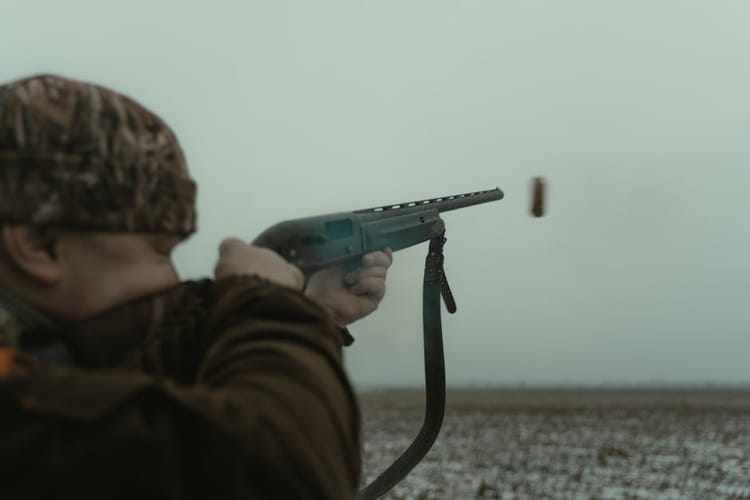
A 12 gauge or 20 gauge pump or over/under is standard. What works:
- Beretta Silver Pigeon I — $1,800 to $2,400. Classic O/U.
- Benelli Montefeltro 12 gauge — $1,300. Semi-auto that handles weather well.
- Browning Citori 625 Field — $2,000 to $2,500.
- Used Remington 870 Wingmaster 12 gauge — $400 to $700 for a good one.
- Stoeger Condor 12 gauge — $600, the budget O/U that actually works.
Modified choke is a reasonable all-around, improved cylinder for early-season close-in birds, full choke for late-season long shots.
Ammo: lead 5 shot or 6 shot in 12 gauge, 5 or 6 in 20 gauge, 1 1/8 to 1 1/4 ounce loads. Federal Premium Prairie Storm, Fiocchi Golden Pheasant, or Kent Ultimate Fast Lead. $18 to $28 per box.
How to Hunt
Most WIA parcels are CRP grass, cattail sloughs, shelterbelts, or corn stubble. Pheasants move between cover types during the day — feeding in crops or grass in the morning, loafing in heavier cover midday, feeding again before roost.
Early Morning (Opening Shoot Time to 10 a.m.)
Birds are feeding. Hunt crop edges, food plots, standing corn, and stubble adjacent to heavy cover. Work with the wind — dogs scent better into the wind, and birds running away from you don't get a scent advantage.
Midday (10 a.m. to 3 p.m.)
Birds hold in thick cover. Cattail sloughs, dense CRP, shelterbelts with understory. Slow, methodical walking. This is often the most productive time on pressured public land because casual hunters have given up.
Late Afternoon (3 p.m. to Sunset)
Birds move back toward feeding areas. Edges, travel corridors, crop edges again.
The Honest Truth About Opening Weekend
Public land on opening Saturday is bedlam. Parking areas are packed by 10 a.m. Birds get shot up or pushed off WIAs by the second day. If you have a choice, hunt the following week or the second weekend. By then, the birds that remain are the ones that know how to run, and the hunter pressure has dropped by two-thirds.
Clothing and Gear
- Brush pants — Filson Strongcloth, Sitka Equinox Guard, Cabela's Briar Guard. $100 to $250.
- Waterproof hunting boots — Irish Setter Wingshooter, Lacrosse Upland Pro, Danner Wayfinder. $180 to $400.
- Blaze orange vest or hat — mandatory in South Dakota
- Strap vest with game pouch — Cabela's Upland Strap Vest or Filson Tin Cloth vest. $75 to $250.
- Water for the dog and yourself — three to four quarts for a full day
Costs for a Self-Guided Week
- Non-resident license and stamps: $150
- Lodging (roadside motel in Mitchell or Huron): $80 to $130 per night
- Fuel for five days of hunting: $150 to $250
- Food and sundries: $300 to $500
- Ammunition: $100 to $300 depending on how many birds you shoot at
Total for a DIY five-day trip: $1,200 to $2,000. A guided hunt over the same week runs $3,000 to $5,000. The guided hunt is easier; the self-guided hunt is more satisfying.
The Part Nobody Says Out Loud
A four-bird South Dakota day looks heroic on social media. Most DIY hunters averaged closer to one or two roosters per day on public land. That's still a great day. A three-bird day is a memory. A day without a flush is a day when you learned the country and walked off the breakfast and earned a cold beer that evening.
The state has more birds than almost any hunter can appreciate in a lifetime. Spend a week. Come back next year. The landscape is its own reason.