Bear Hunting Over Bait in the Idaho Panhandle: A Realistic Look
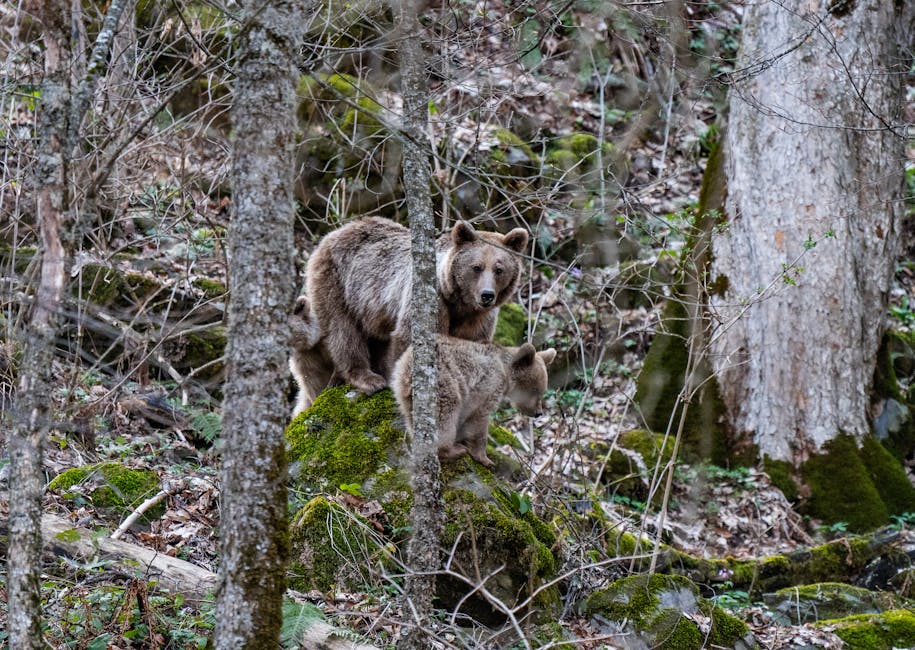
Spring bear hunting over bait in Idaho sounds easy. Put out some donuts, climb in a treestand, wait for a bear to show up. Two-hundred-pound boars walk in, you take the shot, you're home by Memorial Day with a rug and a freezer full of bear sausage.
The reality: most guys quit by the third week because the work is unglamorous, the mosquitoes are biblical, and bears don't come in on your schedule.
Legal Setup — Idaho Basics
Idaho allows baiting in most Unit designations during spring bear season. Non-resident tag: about $230 for a black bear plus a hunting license at roughly $155. Two bears per year in some units.
Season runs April 15 through June 30 in most northern units. Peak activity is mid-May to mid-June as bears come out of hibernation and start feeding.
Baiting rules you have to follow exactly:
- Bait stations must be registered with Idaho Fish and Game — free, online
- Max 100 pounds of bait on a station at one time
- No processed livestock, game meat with bones, or poultry
- Stations must be at least 200 yards from roads, trails, and water sources — varies by unit
- No bait stations on designated wilderness or some national forest areas — check the rule for your specific unit
The Bait
Bears eat almost anything. Popular baits in the Panhandle:
- Pastries from bakery discards — $30 to $80 for a truckload from a local bakery, arranged in advance
- Granola and dog food mixed with bacon grease — long shelf life, strong scent
- Beaver carcasses from trappers — legal in Idaho, highly effective in the first weeks
- Anise oil, vanilla extract, or burnt bacon grease — scent attractants placed high to carry
Bears zero in on sweet and greasy before they zero in on protein in the spring. Their digestive systems are restarting; they want carbs and fat.
Station Setup
You want a bait station that's:
- Near a creek or wet draw where bears travel
- Downhill from a ridge or saddle for thermal drainage of bait scent
- Hidden from casual hikers and fishermen — you'll come back to stolen bait if it's visible from a trail
- Accessible for you with a pack, not by truck
Classic setup: a 55-gallon drum bolted to a stump, with the lid drilled for scent release, surrounded by logs or rocks to slow the bear and present broadside. Barrel prevents easy gravy-dumping by the bear (they'll grab everything and leave). Total cost per station: $50 to $100 not counting bait.
The Treestand
Set the stand 18 to 25 yards from the barrel, perpendicular to the bear's approach. You want an opening for a broadside shot. Height: 12 to 18 feet is typical — higher reduces scent but increases shot angle.
A ground blind works too but gives up the wind advantage. In warm May weather, a ground blind is an oven by 4 p.m.
The Routine
This is what kills enthusiasm. To run a bait station effectively:
- Bait the station every 5 to 7 days — more often if bears are hitting it heavy
- Run a trail camera to monitor activity — Reconyx or Stealth Cam, $150 to $400
- Hike in and out without stinking the place up
- Haul 50 pounds of pastries up a mountain on a pack, weekly, for six weeks
Some hunters run two to four stations at once to increase odds. That's two to four pack loads a week, hauling 200 pounds of food into the mountains before you've even hunted yet.
When the Bear Shows Up
Most bait-station kills happen in the last two hours of daylight. A mature bear will circle the station multiple times before committing. You'll see smaller bears — sows with cubs, immature boars — in the afternoons; the big boars come in at or just after sunset.
Sitting discipline:
- Be in the stand by 2:30 p.m. at the latest
- No phone, no movement, no whispering to your buddy
- Don't drink coffee — you'll need to move at the worst time
- Stay until legal light ends, sometimes later with artificial light in states that allow it
The Shot
Aim for the shoulder or just behind the shoulder, one-third up from the bottom of the chest. Bears have thick fat and hair; shot placement that would work on a deer might not exit. A 165-grain .308 or a 180-grain .30-06 is a workable minimum. Broadheads in archery should be heavy and expandable, 1.5 to 2 inches of cutting diameter.
Bear tracking is harder than deer tracking. Blood often gets trapped by thick hair and shows up only after 30 to 50 yards. Wait an hour before tracking, then track slowly with a buddy.
The Meat
Spring bear meat is excellent if handled right — lean compared to fall bear, sweet from the greens they've been eating. Trichinosis is real; all bear meat must be cooked to 160°F internal. Skip the pink center.
Sausage is the classic use. Mixed with pork fat (bears are lean in spring), ground and smoked, it's equal to the best wild game sausage you'll eat. A 180-pound bear yields 60 to 75 pounds of boned-out meat.
Costs and Realistic Expectations
- Non-resident tag and license: $385
- Travel from the Midwest or East Coast: $600 to $1,000
- Bait for six weeks: $200 to $500
- Stand, blind, trail camera if starting fresh: $400 to $800
- Gas and food for the trip: $300 to $600
First-season success rate for bait hunters in the Panhandle: 30 to 50 percent depending on area. Guys who stick with it for three seasons and build good bait sites routinely kill bears.
The Part Most Skip
Bear hunting is the least Instagram-friendly hunt a lot of us do. You'll smell like bacon grease and pastries for a month. You'll pack 400 pounds of stale donuts into the woods over the course of a season. You'll sit in a treestand with no action for weeks at a time and then get three seconds to make a decision on a mature boar.
Worth it for those who love the quiet. Not for those who want to see game every day.