Elk Hunting for the Flatlander: What Nobody Tells You About Altitude
The first morning of your first elk hunt, you'll learn more about your own body than you wanted to. You drove in from Ohio or Georgia or Florida, got to camp at 9,200 feet the night before, and now your headlamp is bobbing up a drainage that turns out to be steeper than anything on Google Earth.
Nobody mentions that the first two days are mostly about surviving the altitude long enough to hunt properly on day three.
What Altitude Actually Does to You
At 9,000 feet, the oxygen content of each breath is about 70 percent of what it is at sea level. Your body's response is to breathe harder, pump blood faster, and over several days, produce more red blood cells. The first two days, it's doing none of that well yet.
Symptoms a flatlander should expect:
- Dull headache that doesn't go away with one aspirin
- Sleep that feels broken — you'll wake up gasping several times
- Shortness of breath on the simplest climb
- Reduced appetite, sometimes mild nausea
- A resting heart rate 15 to 20 beats higher than normal
These aren't altitude sickness. They're normal adaptation. They fade by day three or four. If you have severe headache, confusion, or rattling in your chest, that's HAPE or HACE and you come off the mountain immediately.
How to Arrive
Fly into Denver, Salt Lake, Billings, or wherever and drive to a low-elevation town the first night. Sleep at 6,000 feet if possible. The next day, get to camp and take it easy. The third day, hunt lightly. Day four, hunt hard.
Flatlanders who fly in on Friday and try to hunt Saturday are the guys who quit by Tuesday. I've watched it happen to people who were in better cardio shape than me at sea level.
Fitness, Honestly
You don't need to be an ultra-runner. You need to be able to:
- Hike with a 30-pound pack up 1,000 feet of elevation in an hour without stopping more than twice
- Hike down carrying 60 pounds of meat for two hours without your knees giving
- Do that again the next day
If you can't do that at sea level, you can't do it at altitude. Start training in May for a September hunt. Stairclimbs with a weighted pack beat gym cardio for this specific use case. Running on flat ground trains lungs but not legs.
Gear That Matters
- Boots — Kenetrek Mountain Extreme ($495), Crispi Briksdal ($525), or Schnee's Beartooth ($475). Break them in for three weeks minimum before the hunt.
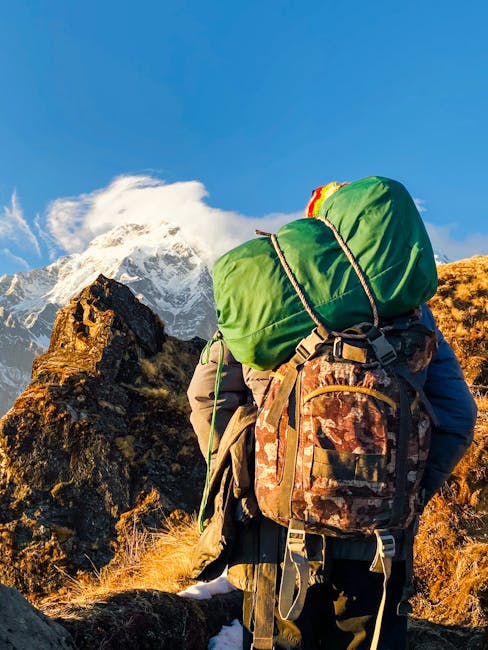
- Pack — Kifaru Mountain Warrior, Stone Glacier Sky 5900, Mystery Ranch Metcalf. $550 to $800. You'll use it the entire hunt and especially to pack out meat.
- Rifle in 6.5 PRC, 7mm Rem Mag, .300 WSM, or .30-06 — elk aren't armored but they don't die to a .243 at 400 yards. A 160-180 grain bullet out of a proper elk caliber is standard.
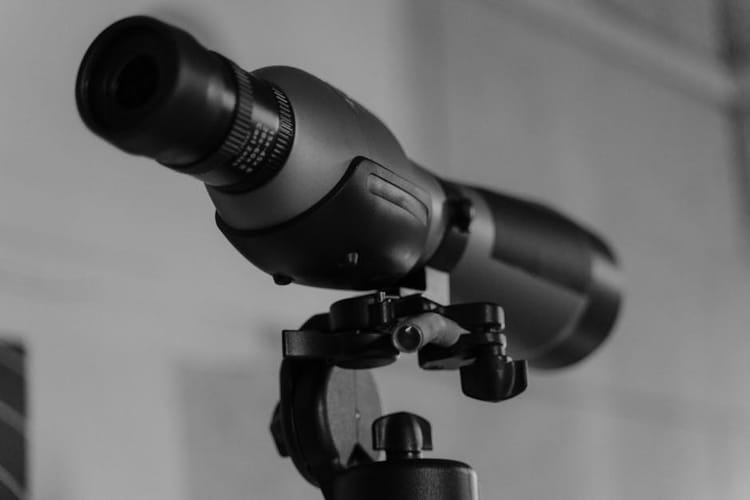
- Binoculars on a harness system — FHF Gear or Marsupial chest packs are $80 to $140 and they're worth every dollar for the glassing hours.
- Merino base layers and a rain shell — September weather in the high country can swing from 75°F sunny to 25°F snowing in six hours
Tag Systems — The Short Version
Western elk tags run on a preference-point or lottery system in most states. Expect to apply for three to seven years to draw a quality tag in Wyoming, Montana, or Arizona. Colorado has over-the-counter bull elk tags in some units, which is why Colorado has every flatlander from Chicago on it.
OTC Colorado tags are not a bad starting point. The elk are there. You'll be one of hundreds of hunters in a given unit. Don't expect a 340-class bull in an OTC unit; expect a cow or a small bull and be happy with it.
How to Hunt an Elk
Elk are herd animals with routines. They feed in meadows and clearcuts at first and last light. They bed in dark timber, usually on north-facing slopes below ridgelines, through the day. During the September rut, bulls bugle in the early morning and late evening to announce themselves to cows and challenge other bulls.
Glassing First
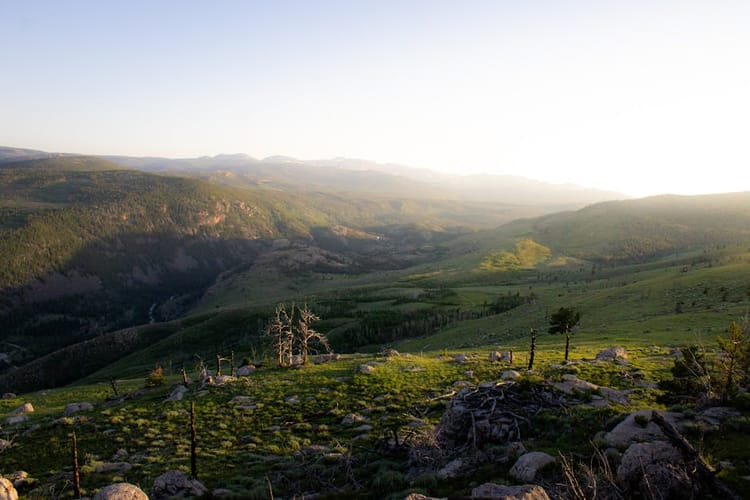
Get to a glassing position 45 minutes before first light. Scan opposite slopes, meadows, and burn scars at 800 to 1,500 yards. Elk are larger than deer; you'll spot them if they're there. The tough part is spotting them at first light and being able to reach them before they bed by 8:30 a.m.
Calling During the Rut
Bugling and cow calling can pull bulls during September. The biggest caution: pressured bulls go silent fast. By day three of an archery hunt, the bugling bull in a given basin has often moved and gone quiet. Calling in heavily hunted public land is a mixed bag; sometimes it works, often it educates.
The Stalk
Elk-country stalking is about wind, cover, and timing the bedded bull's day. Make your move during the middle of the day when he's down. Approach from above or level with him, with the wind in your face. You're trying to get inside 300 yards for a rifle shot, or inside 50 for a bow.
After the Shot
A mature bull elk weighs 700 to 900 pounds. Field-dressed, he's around 400. Quartered and boned out, you're packing out 200 to 250 pounds of meat, plus the cape and head if you're mounting. On a public-land hunt with no road access, that's three to four pack loads, which is eight to twelve hours of hauling.
Start breaking down the animal immediately. Let it cool. Hang quarters in the shade on a pack frame or in game bags off the ground. In warm weather, get the meat moving to a cooler by the next morning.
The Honest Budget
- Tag (non-resident OTC Colorado bull, 2026): around $725
- Airfare, rental vehicle: $800 to $1,200
- Camp food and fuel: $200 to $300
- License and conservation stamps: $30 to $60
- One-time gear (if starting from scratch): boots, pack, layers, game bags, knives — $2,500 to $4,000
First hunt, expect to spend $3,500 to $5,500 not counting gear. Subsequent years, the gear is paid for and you're looking at $1,500 to $2,500 per hunt.
Expect to Fail and Come Back
Most non-resident DIY elk hunters don't kill an elk their first year. Some never do. The guys who do are usually on their fourth or fifth season in the same unit, with the terrain memorized and the local wind patterns figured out.
Go with a friend who's done it. Take fewer days on your first trip than you think you need. Come home sore and broke and start planning the next one. That's how the sport works.