Pronghorn on the Plains: Spot, Stalk, and the 400-Yard Question
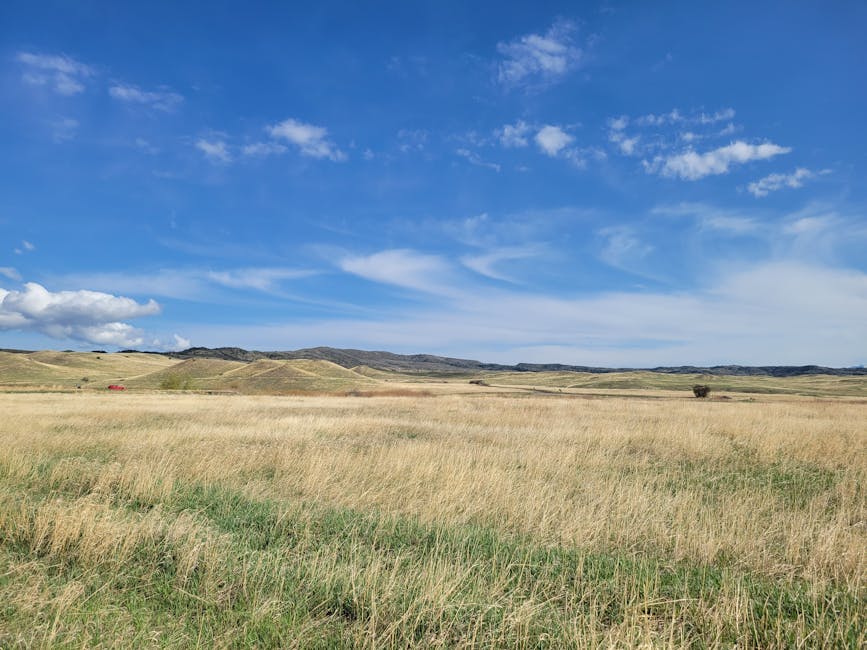
Pronghorn hunting is the closest thing to African plains game hunting you can do in North America. The country is vast, the animals see forever, and the stalk depends entirely on how much you're willing to crawl.
If you're thinking about a first-western-hunt that has a high success rate and doesn't require packing 200 pounds of meat off a mountain, pronghorn is the answer. If you're thinking it's going to be easy, that's a different story.
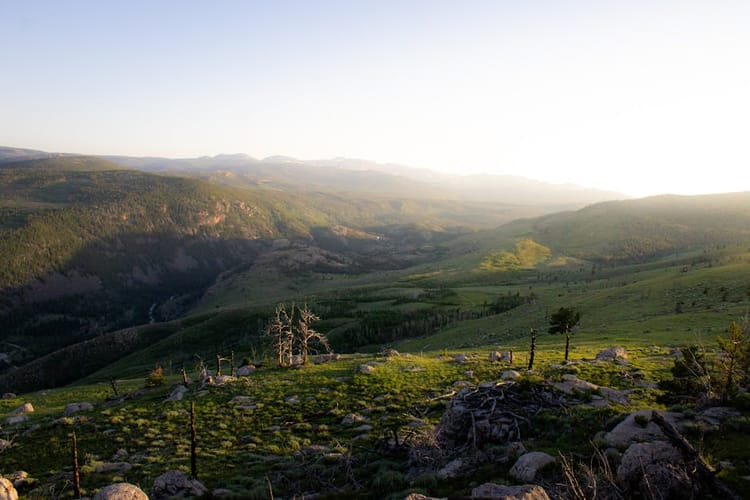
Where Pronghorn Live
The shortgrass and sagebrush country of Wyoming, Montana, New Mexico, Nevada, and parts of Colorado and South Dakota. Wyoming has the highest densities and the easiest tags for non-residents — draw odds for general pronghorn units are excellent, and some regions have leftover licenses after the initial draw.
Most pronghorn country is public land or checkerboard (alternating private/public sections). Access can be complicated. OnX or Gaia maps are not optional for a DIY hunter on western pronghorn hunts.
Tags and Timing
Wyoming's general pronghorn season runs roughly October 1 to October 31, with some units opening as early as September 15 and closing by late October. Resident tags run about $50; non-resident tags around $400 for a buck, cheaper for a doe.
Book your hunt for early October if you want peak rut activity. Bucks are territorial through September, chasing does through the first weeks of October, and by the end of October they're worn down and less aggressive but still huntable.
The Glassing Game
Pronghorn have vision that's been compared to 8-power binoculars. They see movement at over a mile. They don't see color well but they see shape, silhouette, and motion at distances that make deer look half-blind.
Your glassing setup:
- 10x42 binoculars on a tripod — Vortex Viper HD, Leupold BX-4 Pro Guide, Swarovski SLC. $450 to $2,000.
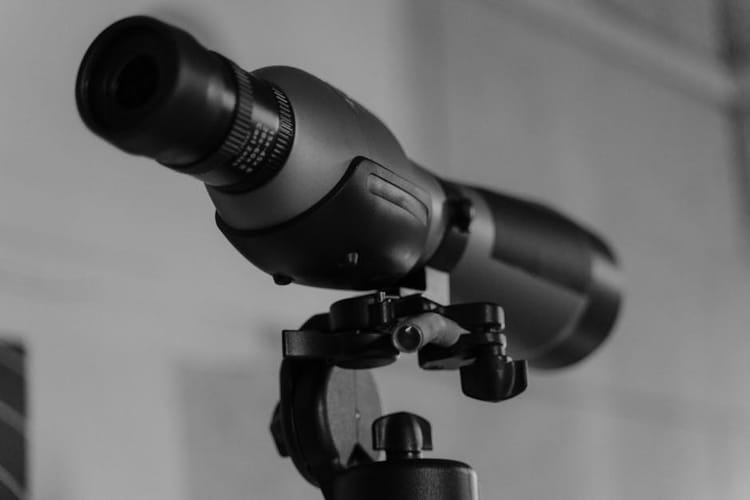
- Spotting scope — 15-45x or 20-60x. Good for judging horn quality at long distance.
- Wind meter — Kestrel 2500 at $160 or Kestrel Elite 5700 at $700 if you're serious about long range.
Get to an elevated glassing point 30 minutes before first light. Scan the flats, the sagebrush benches, and any ridgelines. Pronghorn stand out against the open country if you're looking for them.
The Stalk
This is where it gets hard. In open sage country, the cover doesn't exist. You can't stand up and walk. You can't crouch. You're on your belly from the first drop over the ridgeline, pushing through low sage and cactus and rocks.
Approach Tactics
- Use terrain — the country looks flat from a mile away, but up close there are draws, washes, dry creek beds, and cutbanks. Use them.
- Keep the sun behind you if possible — they see less of you
- Move when their heads are down feeding. They're scanning every 10 to 20 seconds; be motionless when heads are up.
- Approach from downwind or crosswind — they don't scent as well as deer, but in open country there's nothing to disrupt scent distribution
The Belly Crawl
A proper stalk in open pronghorn country involves a thousand yards on your belly. Bring:
- Leather or cotton gloves — prickly pear is real, and it's everywhere
- Crawling pads or knee pads from a flooring store — $15 to $25
- A tough jacket you don't mind wearing out
- A rifle sling that won't flop around
Crawling with a rifle is not natural. Practice at home if you've never done it.
The 400-Yard Question
Eventually you close to within some distance and the buck is feeding in a spot where you can't get closer without being seen. The country goes flat ahead. You're at 450 yards. Now what?
The honest answer depends on whether you've actually practiced that shot. Not in your dreams — on paper, with the rifle you brought, off the same shooting sticks you'll use in the field, at that same distance, under similar wind conditions.
What Long-Range on Pronghorn Requires
- A rifle and scope capable of 1-MOA at the distance — Vortex Razor HD LH, Leupold VX-5HD, Swarovski Z5 or Z8 territory
- Known trajectory for your bullet — shot on a range out to the distance, not calculated from a ballistics app alone
- Wind call you trust — this is the hard part. Wind calls at 500 yards with a 10 mph crosswind mean 6 to 10 inches of drift depending on bullet. Miscall by 3 mph and you wound or miss.
- Solid shooting position — bipod off the ground is sketchy, off a pack is better, off a tripod is best
When Not to Take the Shot
If the wind is inconsistent. If you can't steady the rifle adequately. If you haven't shot that distance in the last year. If the animal is angling in a way that requires perfect bullet placement. Close the distance another hundred yards, or let him walk.
A wounded pronghorn in the open country is often a lost pronghorn. There's little cover for a wounded animal to be recovered from, and they can run miles with a bad hit.
Water Hole Ambushes
The ethical-yet-tactical alternative to spot-and-stalk. Pronghorn visit water every day or two, especially in dry years. Setting up a blind at a stock tank, natural spring, or isolated water source is a high-percentage hunt.
You'll want:
- Permission if it's on private land (stock tanks usually are)
- A ground blind that breaks up your silhouette — Ameristep, Barronett, or Primos. $150 to $400.
- Patience — it might be a morning before anything comes in
Water hole hunting is where bowhunters can consistently close the deal, since the animal is committed to the water source.
After the Shot
Pronghorn are small — 80 to 130 pounds on the hoof. Field dressing is quick. Cooling matters; October temps in Wyoming can swing 30 degrees, and a warm afternoon will sour meat fast if you leave it in the sun.
Caping for a shoulder mount requires care with the hair — it's hollow and breaks easily. If you're mounting, take your time at the cape.
The Meat
Pronghorn get a bad reputation from hunters who didn't cool them fast enough. Properly handled, pronghorn is mild, tender, and some of the best-eating wild game in North America. Backstraps, grilled rare, are equal to any deer or elk you've had.
The bad-tasting pronghorn is almost always a hot-weather kill that sat too long uncooled. Get it gutted, skinned, and into ice within a few hours. The result is worth the drive and the crawling.