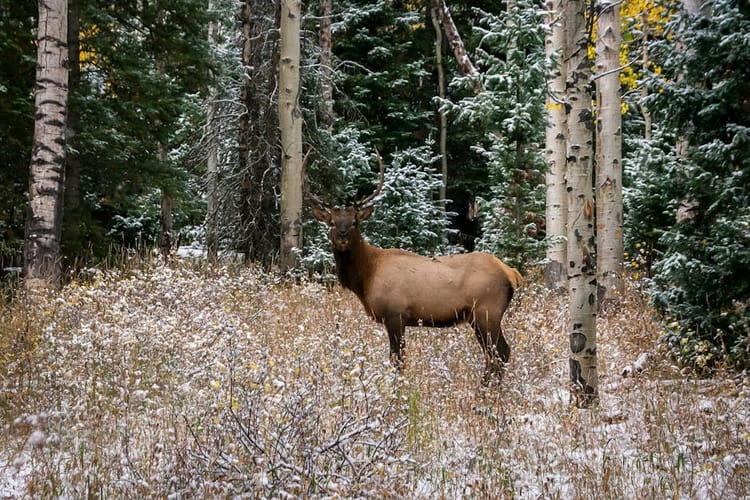
Mule Deer in the High Country: A Glassing and Stalking Primer
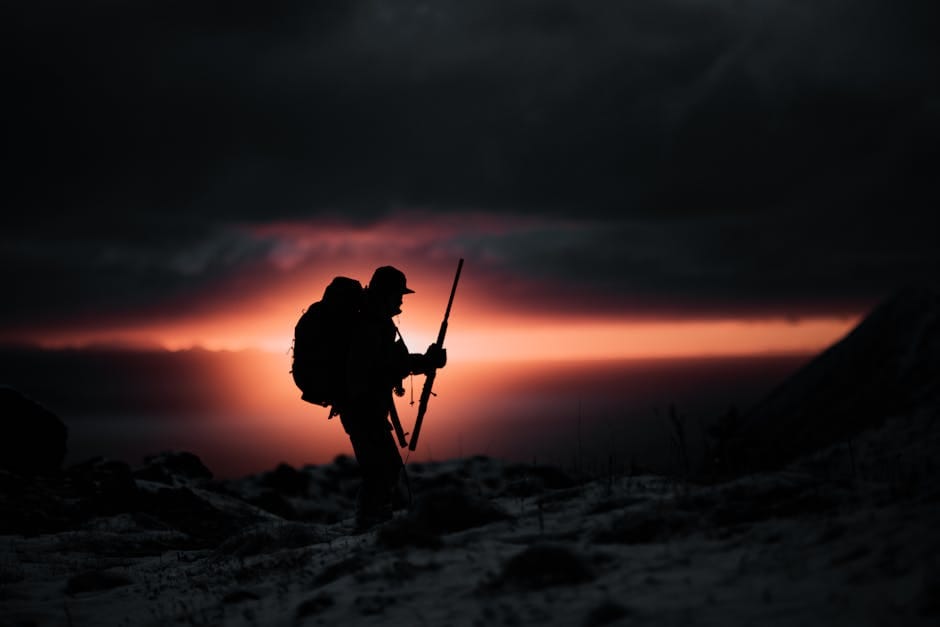
The first time you hunt mule deer in the high country, you realize your eastern woods experience is nearly useless. The terrain doesn't forgive a blown wind; the country is bigger than your imagination; the deer see you before you see them, which is the core problem of the whole enterprise.
Mule deer hunting is glassing and hiking. If you aren't willing to sit behind a tripod for three hours before breakfast, pick another species.
Where the Deer Actually Live
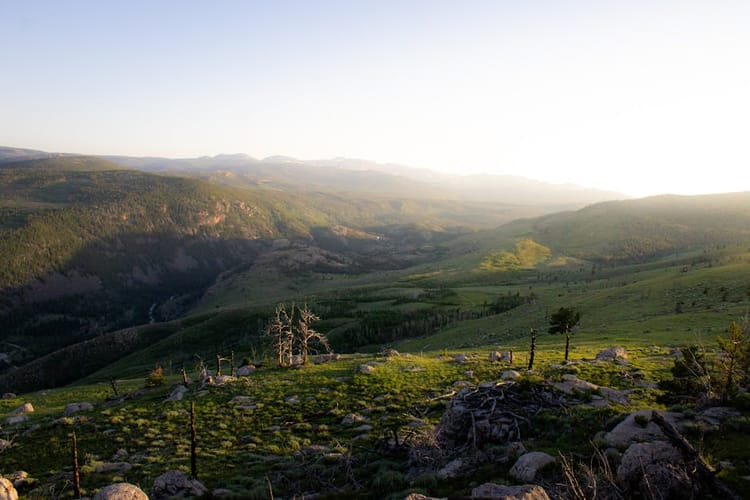
Summer mule deer are high — above timberline, in the alpine basins, where it's cool and forage is fresh. By late September, they're moving down as snow pushes them. October rifle hunts in Montana, Wyoming, and Colorado typically put you somewhere between 8,000 and 10,500 feet.
Early-season archery hunts in August and September are above 10,000 feet in most western states. If you've never hunted at altitude, don't pick an archery-season, over-the-counter Colorado tag and try to kill a 170-class buck your first year. That's a two-year-out plan at best.
Glassing: The Only Skill That Matters
Mule deer are found with glass, not with boot leather. You will walk for miles without seeing a deer, and then spend three hours on a hillside glassing and find six. Point of tripod, spot and stalk isn't a style — it's the only style that consistently works in open country.
The Minimum Optics Package
- 10x42 binoculars on a tripod — Vortex Viper HD runs $500, Leupold BX-4 Pro Guide runs $450, Swarovski SLC 10x42 runs $2,000 and the difference is real
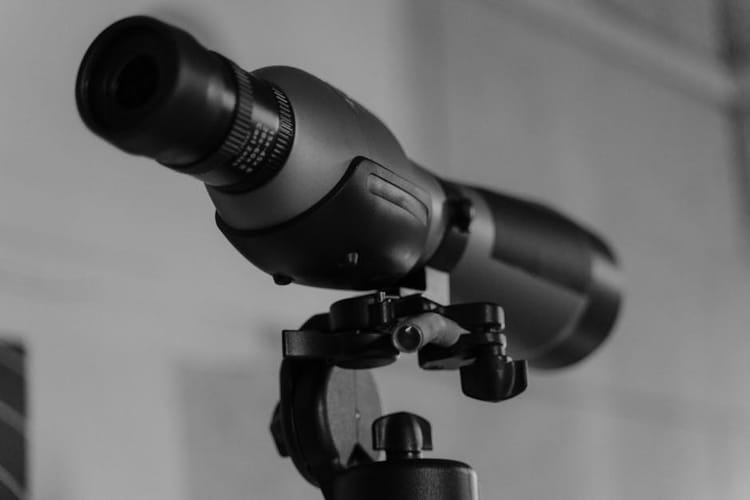
- Spotting scope — 15-45x or 20-60x. Vortex Viper HD 20-60x85 is about $1,100, Swarovski ATS 65 runs $1,900
- Tripod with a proper head — a $50 tripod will kill your hunt. Outdoorsmans or Really Right Stuff, $300 to $800
Cheap glass at altitude in low light is worse than no glass. If your scope picks up chromatic fringe at the edges, you'll miss the deer.
How to Glass Properly
Get to your glassing point 45 minutes before first light. Set up in a stable position — legs crossed, tripod low, backrest if you have one. Work in a grid: scan a basin for 45 seconds, move one binocular width over, scan another 45 seconds. Don't skim. You are looking for pieces of a deer — a white rump patch, a horizontal line of a back against a vertical field of sagebrush.
Deer feed in the cool hours. By 10 a.m., most of the deer you're going to see are already bedded. Bedded deer hide well; feeding deer stand out. Morning and evening windows are what matter.
The Stalk: Slow, Then Slower
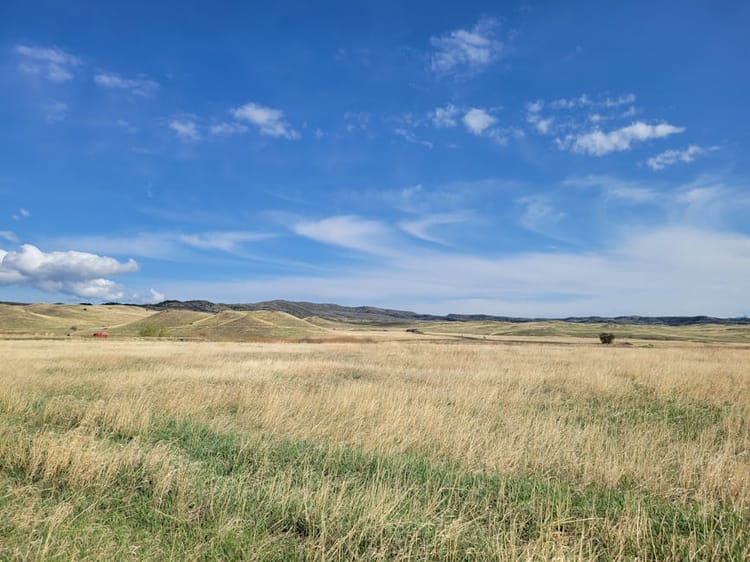
You've spotted a buck at eight hundred yards, bedded in a finger of sage on the south face. Now the real hunt starts.
Approach upwind or crosswind — wind in the high country swirls with thermals. In the morning, air flows downhill as it cools; in the afternoon, it flows uphill as it warms. Plan your stalk around these thermals. The reliable move: drop below the buck, wait until thermals stabilize, then approach from below with wind in your face.
Remove your backpack at the last stalking distance. A pack rattles and puts your silhouette higher than it needs to be. Crawl. Move during gusts or when the buck's head is down. Close to shootable distance, which for most hunters and rifles means two to four hundred yards.
Shot Distance: Be Honest
Magazine articles make 500-yard shots sound routine. They aren't. A 400-yard shot at an animal takes wind calls, range estimation, steady rest, and the cold-bore shot to hit exactly where the bench group said it should. Very few hunters have practiced this to a reliable standard.
If you haven't shot a rifle at the exact distance you're considering, under field conditions, off an actual pack or shooting sticks, in the last year — don't take that shot at an animal. Close the distance or let him walk.
Gear That Earns Its Weight
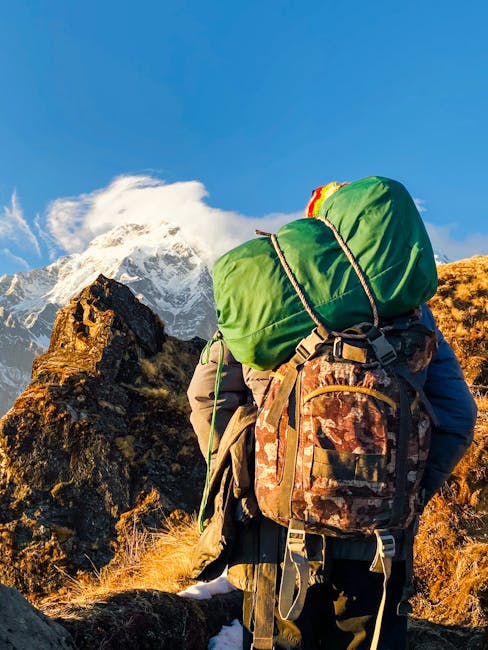
- Kifaru, Stone Glacier, or Mystery Ranch pack — meat-hauling pack is not optional. $500 to $800.
- Hunting boots, 8-inch uninsulated, with a quality insole — Kenetrek Mountain Extreme, Schnee's Beartooth, or Crispi Briksdal. $450 to $600. Break them in at home, not in camp.
- Merino base layers — First Lite, Smartwool, or Icebreaker. Avoid synthetics for multi-day wear.
- Rangefinder with angle compensation — Leupold RX-FullDraw or Vortex Fury HD. $400 to $1,300.
- Quality knife with replaceable blades or a fixed blade with good steel — Havalon Piranta or Benchmade Meatcrafter.
Altitude: The Thing Flatlanders Underestimate
At 9,500 feet, your oxygen intake drops about 30 percent. Your heart rate is higher doing nothing. The first two days at altitude, you'll feel like you have a mild hangover. If you have a seven-day hunt, give yourself two days of arrival-and-hike to acclimatize. Do not fly in on Friday and hunt Saturday if you're coming from sea level.
Hydrate aggressively. Add electrolytes. Skip alcohol the first two nights. These aren't suggestions — these are what separates a successful hunt from a guy who had to come off the mountain at 3 a.m. on day three.
After the Shot
You dropped a buck at 300 yards on a mountain with no road access. Now you have two to four hours of work ahead of you, and you need to pack the animal out in meat loads.
Bone out the quarters. Take the backstraps, tenderloins, and neck meat. Pack the cape if you're going to mount. A mature mule deer buck field-dresses into roughly 100 pounds of boned-out meat plus the head. That's two pack trips for most hunters, sometimes three.
Start early, finish before dark, don't try to do it all in one load no matter how much your ego wants to.
Realistic Expectations
Most DIY western mule deer hunters kill a buck every two to three years. Bigger, older bucks are a multi-year pursuit. The country is vast, the pressure is real, the weather breaks plans. You're not doing anything wrong if you go home empty.
What you will always come home with: a sense of scale. A mule deer basin at first light, with ten deer working the sage, is the thing that makes the whole enterprise worth the drive, the altitude headache, and the long glassing hours.