Field Dressing a Deer: Step-by-Step Guide Without the Mess
Field dressing is the part of deer hunting that no first-timer wants to do and every experienced hunter does on autopilot. It's not complicated. It's messy, it's necessary, and you can learn it in thirty minutes of doing — not reading.
Here's the honest version, skipping the stuff that doesn't matter.
Why You Do It at All
A deer carries roughly 20 percent of its body weight as internal organs. Those organs start decomposing immediately after death. Body heat in the chest cavity accelerates spoilage. Remove them, and you've bought yourself time to get the animal to a cooler or butcher.
At 50°F and above, you have about two hours before meat quality starts degrading. Below 40°F, you've got more like six. Above 60°F, you're in trouble. Plan accordingly.
Tools You Need
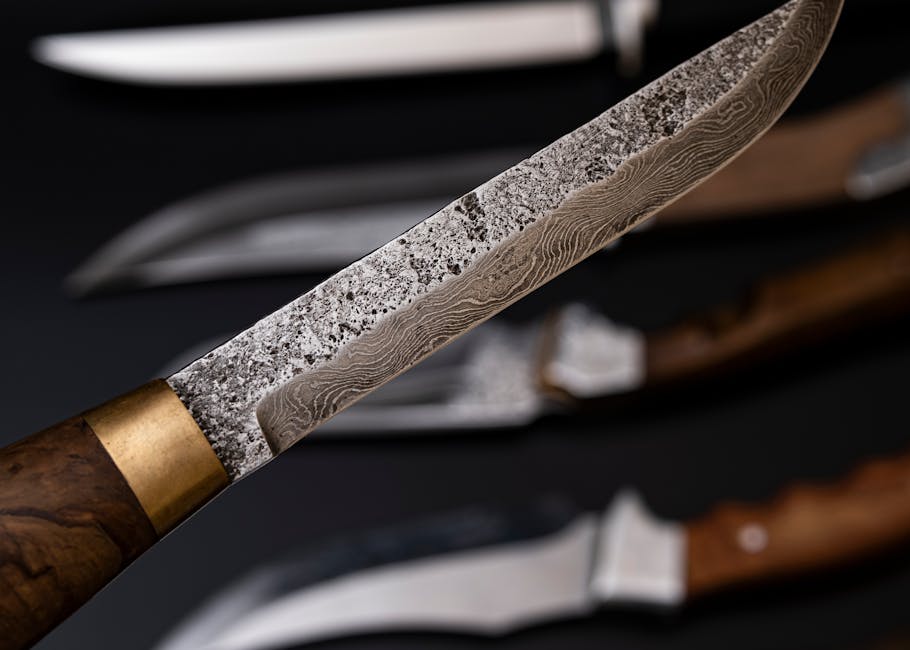
- Sharp knife with a 3.5 to 4-inch blade — Havalon Piranta with replaceable blades ($40), Buck 113 Ranger ($60), Benchmade Hidden Canyon ($180). A dull knife is more dangerous than a sharp one.
- Nitrile gloves, shoulder-length if possible — a couple of pairs. CWD precautions are real; brain and spinal fluid contact is the concern.
- Paper towels or a rag — for wiping the blade and your hands
- Zip ties or rope — to tie off the anus or drag the deer
- A small bone saw if you want to split the sternum — optional; you don't have to
What you don't need: a gut hook. They tear more bladders than they save time. Use your regular blade and control it.
The Process
Step 1: Check It's Dead
Approach from behind the head, watch for chest rise or eye blink. Touch the eye gently with a stick — a live deer will blink. A still-breathing deer needs a finishing shot, not a knife to the throat.
Step 2: Position the Deer
Roll onto its back, head slightly uphill if you're on a slope. Spread the rear legs. Some people tie them off to sticks or trees; for a smaller buck or doe, sitting on a leg works too.
Step 3: Ring Out the Anus
This is the step most people skip and regret. Around the anus, make a ring cut about two inches deep. You're freeing the rectum from the surrounding tissue so you can pull it through from inside. Push it back into the cavity when you're done. If you have a ziptie, tie it off.
A punctured bladder or rectum during gutting is a fixable mess. A contaminated hindquarter from not ringing out is a thrown-away haunch.
Step 4: The Belly Cut
Pinch the skin on the belly a few inches above the pelvis. Make a small nick. Insert two fingers under the skin with the knife blade facing up between them, cutting skin outward from the inside. Work up to the sternum.
This inside-out cut is the whole trick. It prevents hair from getting on the meat and it prevents you from puncturing the stomach or intestines. Don't stab downward. Work steady.
Step 5: Open the Cavity
At the sternum, either stop there or split it with a bone saw or the butt of your knife. For just field dressing, you don't have to split the sternum. You can reach into the chest cavity from below.
Step 6: Cut the Diaphragm
The diaphragm is the sheet of muscle separating chest and abdomen. Reach up into the cavity, find where it attaches along the ribs, and cut it free all the way around. This gives you access to the heart and lungs.
Step 7: Reach Up and Cut the Windpipe
Reach up through the now-open diaphragm into the neck. Find the windpipe and esophagus — they're the firm tubes. Cut them as high as you can reach. If you split the sternum earlier, this is easier.
Step 8: Roll the Guts Out
Roll the deer onto its side. The entire organ package — stomach, intestines, liver, heart, lungs, and whatever you haven't cut loose — pulls out in one mass. Free anything still attached. Pull the rectum through from the rear when you reach the pelvis.
What to Keep
- Heart — trim the top off, split it open, rinse. Excellent if you like it.
- Liver — if the liver is not spotted or unusually pale, it's good eating the day you bring the deer home. Otherwise discard.
- Tenderloins — these are the small strips inside the body cavity, along the spine, below the ribs. Pull them out now and bag them separately. They'll dry out and lose quality if left in the carcass for the drag.
Cooling the Carcass
Prop the cavity open with a stick or branch so air circulates. In warm weather, get the deer skinned and quartered into a cooler or walk-in within a few hours. In freezing weather, hang overnight.
Don't drag a deer through a dirty field with the cavity open and exposed to debris. Rinse with water if you have it, but don't soak — wet meat sours faster than dry.
CWD and Disposal
Chronic Wasting Disease is present in whitetail and mule deer across much of the U.S. Most state agencies require you to:
- Check your harvest at a check station or online
- Not transport certain parts (brain, spinal cord, spleen) across state lines
- Dispose of the gut pile properly — usually leave it where you gutted, unless the state says otherwise
Check your state's regulations. Pennsylvania, Wisconsin, Colorado, and most western states have specific rules about carcass transport from CWD zones.
The Realistic Version
Your first deer, the process takes forty minutes and you make a mess. Your tenth, it takes fifteen minutes and you barely get blood on your sleeves. Everybody starts at the first one.
Watch somebody do it once before your first deer if you can. Read about it. Then do it yourself. The third one, you'll have your own system.