Bugling Bulls: Calling Tactics for the Archery Elk Opener
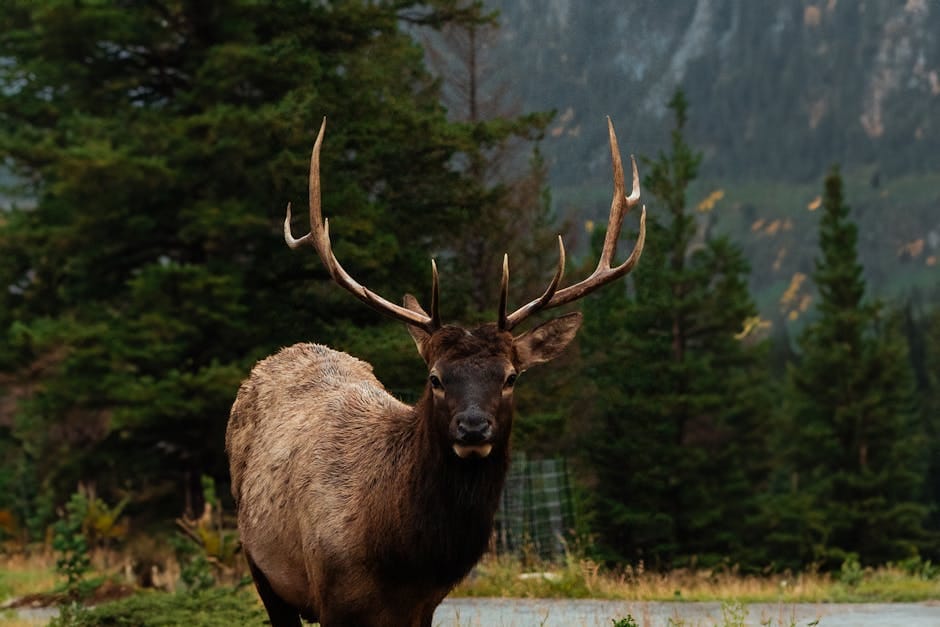
September elk calling is where most DIY bowhunters learn the difference between YouTube and reality. You bugle at first light, a bull answers from 400 yards, and for the next hour he screams every time you call and never takes a step toward you. By 10 a.m. the woods are dead silent and so is your mood.
Calling works. It just doesn't work the way the outfitter videos suggest.
What Elk Calls Actually Do
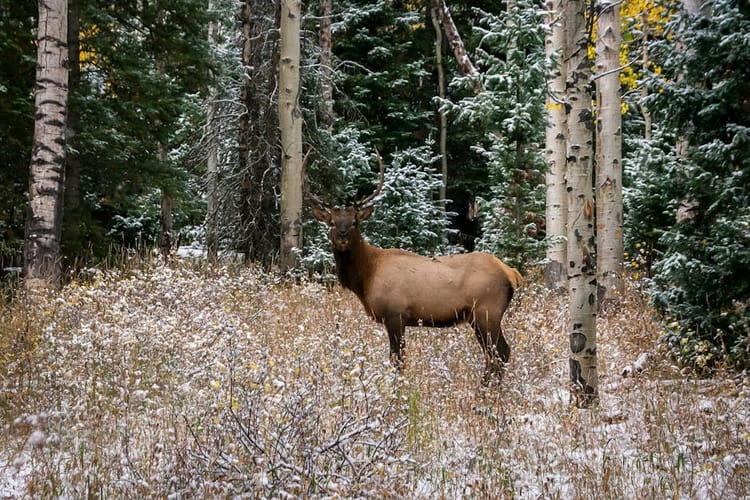
A bull elk bugles to announce his territory, challenge other bulls, and locate cows. Cows mew to stay in contact with the herd. These are social sounds that mean specific things to elk. When you make them, you're saying something — usually the wrong thing, at the wrong time, to the wrong bull.
The Bugle
A bugle says: "There's another bull here." Depending on what's around, the target bull's response is to gather his cows and move them away, to charge you and fight, to ignore you because you don't sound like a real threat, or to answer back without moving. All four happen in a week of hunting.
Bugling works best during the peak rut — roughly September 10 to September 25 in most of the elk range — when bulls are actively maintaining harems and aggressive.
The Cow Call
A cow mew or estrus whine says: "Friendly cow over here." A bull herding a harem of cows can be pulled by the sound of an additional cow, especially if he's lost one or if you catch him without his cows nearby.
Cow calls are the dominant sound you should use. Most experienced elk hunters bugle less each year and cow call more.
The Setup Matters More Than the Sound
You can call perfectly and blow the hunt on setup. Things to have right before you make the first call:
- Wind in your face, perpendicular to the direction you expect the bull to come from
- Cover behind you to break up your silhouette
- A shooting lane 20 to 40 yards out in the likely approach path
- Arrow nocked, release clipped, rangefinder in hand
- Caller 40 to 80 yards behind the shooter — this is the single biggest improvement most hunters make
That last one is the tactic that separates consistent archery elk hunters from inconsistent ones. When the bull comes to the call, he's looking at the caller's position, not the shooter's. The shooter gets a broadside shot at 20 yards while the bull is focused 60 yards past him.
Phase Strategy
Early September (Pre-Rut)
Bulls are starting to bugle but haven't gathered harems yet. Soft cow calling can pull a curious bull from a quarter mile. Bugling is less productive — the bull isn't aggressive yet.
Mid-September (Peak Rut)
Bulls are with harems. You're trying to pull a herd bull away from his cows, which is hard, or catch a satellite bull looking for an opportunity. Bugling works on aggressive herd bulls who'll come to fight. Satellite bulls come to cow calls.
Late September (Post-Rut)
Bulls are worn down, harems breaking up. Cow calls work well. Bugling works on worn-out bulls who'll still check on a new challenger but aren't running in hot.
Reading the Answer
A bull's response tells you what to do next. A typical interaction:
- Bull answers immediately and aggressively, each bugle getting louder — he might be coming. Stop calling. Let the encounter develop.
- Bull answers but doesn't move — he's probably with cows. You either move on him (close the distance quickly and silently) or cow call to try pulling him without his herd.
- Bull answers softly, doesn't match your intensity — probably a small bull or one who doesn't want a fight. Soft cow calling often works here.
- Bull goes silent after you bugle — you probably spooked him or he's coming in silent. Stay still. A lot of bulls die because the hunter thought they left when they were actually slipping in.
When to Shut Up
The fastest way to ruin a calling setup is to keep calling after the bull has committed. Once a bull is coming, stop everything except the occasional cow mew. Let him find what he thinks is there. If you keep bugling, he'll hang up at 80 yards trying to see the non-existent rival.
Hang-ups happen because you oversold the setup. Less is more.
Decoy Use
A cow elk decoy — Montana Decoy makes one for about $120 — can bridge the hang-up problem. The bull sees "a cow," commits the last thirty yards, and you get a shot. Decoys aren't for every setup but in open meadow country or edge hunts, they matter.
Place the decoy slightly beyond your shooting position, from your setup, and angled so the bull approaches broadside.
Gear Specifics
- Diaphragm call — Primos Terminator, Rocky Mountain Hunting Calls Temptress, Phelps Maverick. $15 to $25. Takes practice to use, sounds like nothing else.
- External reed cow call — Primos Hoochie Mama, Phelps Unleashed. $20 to $40. Easier than a diaphragm, works well.
- Bugle tube — Primos Bull Horn, Phelps True Talker. $60 to $100. You can bugle with a diaphragm alone, but the tube adds resonance.
- Rangefinder — essential for archery. Leupold RX-FullDraw 5 ($450) calculates for angle and arrow speed.
The Realistic Outcomes
A good week of archery elk hunting in a decent unit gets you multiple bull encounters. Bringing one within bow range, with a calm shot opportunity, happens less often. Closing the deal on the first try is rare.
Most hunters who consistently kill archery elk have been at it five to ten years. Calling is a skill that takes seasons, not weekends, to get right. Don't judge your first hunt by whether you killed a bull; judge it by whether you learned what the bulls were telling you.