Turkey Hunting the Timber: Soft Calls and the Shock Gobble
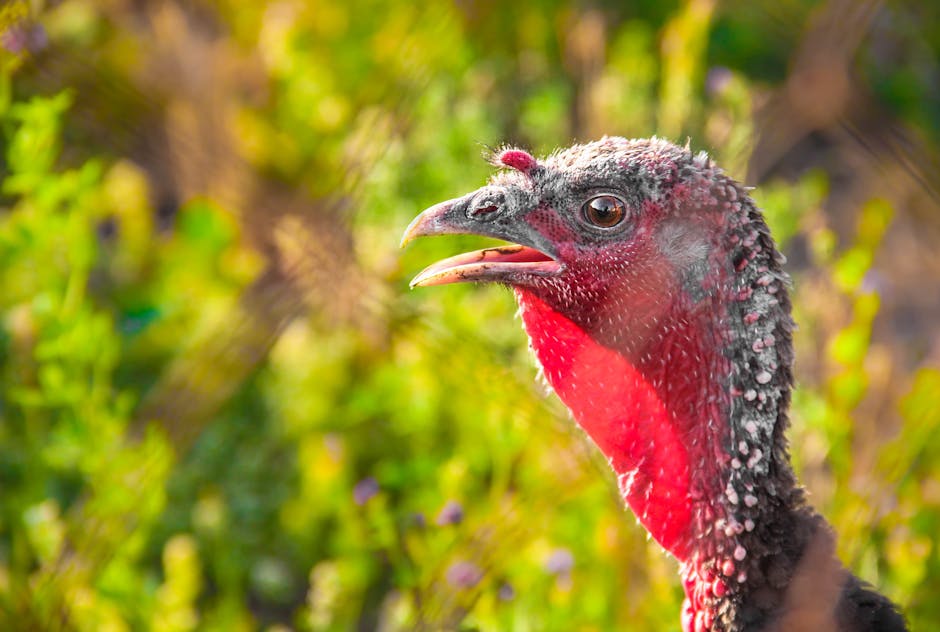
Every spring turkey video you watch features a gobbler hammering back on the roost, flying down 60 yards from the hunter, and strutting into a decoy spread in the middle of an open pasture. Some hunts are like that. Most timber turkey hunts in mid-April to mid-May, on public land, with two weeks of hunting pressure already in the rearview, are not like that.
Timber hunting is a different game, and it rewards a different calling style.
The Early Season vs. Later Season Split
Opening weekend in a well-populated timber area, you can call loud, get loud responses, and work birds in. By week three, the birds that are still alive are the ones that don't respond to loud yelping. They've heard it, they've watched hens go find loud yelps and get shot at, and they've adapted.
Pressured timber toms respond to:
- Soft clucks and purrs — the sound of content hens
- Leaf scratching — the sound of a hen feeding
- Silence — he's already coming; don't blow it
- Careful use of a gobble tube — sometimes works on a dominant boss tom who'll come fight
Roosting and the First Sit
Knowing where a bird roosts is the biggest single advantage in timber turkey hunting. An evening scouting trip from the trucks before the hunt, listening for gobbles from known roost areas at last light, gets you positioned for dawn.
Set up 80 to 120 yards from the roost, with your back against a tree wider than your shoulders, facing toward likely fly-down direction. Get in the setup in the dark, with all gear in place, before the woods start to wake up.
The First Call of the Morning
Wait. Don't call until the bird gobbles first. He tells you he's awake; you tell him you're a hen responding. A soft tree yelp — three or four low yelps — is often all you do in the first 20 minutes. Then you shut up and wait for him to fly down.
The hunter who can't stand silence and yelps loudly at a bird who hasn't committed is the hunter who educates that bird for the rest of the season.
Calls You Actually Use
- Mouth (diaphragm) call — hands-free, subtle. Primos Randy Anderson Twin Reed, Woodhaven Red Wasp, or Mouthbrake. $15 to $30.
- Slate (pot) call — the most versatile hen call. Primos Hook Hunter, Woodhaven Inferno, HS Strut Cutter. $25 to $60.
- Box call — loud, emotional, works well for opening-morning tree yelps. Lynch World Champion, Primos Heartbreaker. $30 to $60.
- Locator call (crow, owl, coyote) — for getting a shock gobble without calling hen-like. $10 to $20.
You don't need all four. One mouth call and one pot call cover 90 percent of situations.
Decoys: To Use or Not
In timber, decoys are a mixed bag. They can draw a strutter's attention and commit him, but they can also:
- Flare subordinate toms who don't want to fight a strutter decoy
- Get spotted by non-target hens who then leave with the tom
- Draw bird attention away from your setup, meaning he commits to the decoy from a direction you can't shoot
Most timber hunters after opening weekend either use just a hen decoy in a feeding pose or no decoy at all. A jake decoy works well on subordinate toms early season; on dominant mature toms, it's a gamble.
Popular decoys: Avian-X LCD Breeder Hen or HDR Jake. $80 to $180 each.
Gear
- Shotgun — 12 gauge pump or semi-auto with turkey-specific choke. Benelli M2, Beretta A400, Remington 870, Mossberg 500. Cost: $500 to $1,800.
- Load — TSS (tungsten super shot) or lead magnum loads in 4, 5, or 6 shot. Federal Heavyweight TSS, Apex Ammunition, or HEVI-Shot. $9 to $15 per shell — yes, per shell, for TSS.
- Choke tube — Carlson's Long Beard or Primos Jelly Head. $60 to $130.
- Turkey vest or hunting chair — Primos Turkey Chair, ALPS Grand Slam Vest. $100 to $250.
- Face mask, gloves, full camo — turkeys see better than any other North American game animal
Pattern the Gun
You don't pattern a turkey gun once and assume. You pattern it at the specific distances you'll shoot — 25, 35, 45 yards — with the specific load you'll hunt with. Count pellets inside a 10-inch circle. TSS loads can put 200+ pellets in 10 inches at 40 yards; lead loads get 120 to 180.
This is not optional. A gun that patterns tight at 25 yards can open up and miss at 40 with the same load and choke combo.
Reading the Bird's Response
A tom on the roost at dawn, gobbling every 30 seconds: hot bird, may commit, stay subtle.
A tom that gobbles once, then goes silent: either moving toward you or with a hen. Stay still; let him commit.
A tom that gobbles, hens yelp, then he follows the hens: typical scenario. Get aggressive with challenging hen calls or relocate to cut him off.
A tom that answers a call but doesn't move for 20 minutes: hung up. Either fly-down happens and he's with hens, or he's wise and wants the hen to come to him.
The Mid-Morning Window
Most timber hunters write off mid-morning. The birds are silent, the early action is over, the hens have gone to nest. This is actually a productive window — lonely toms looking for a late breeding opportunity respond to soft calling as they cruise their territory.
Stay in the woods until 11 a.m. or later when the season timing allows. Run-and-gun tactics, soft calling from new setups every 20 minutes, often produce birds that didn't gobble all morning.
Realistic Expectations
A good timber public-land turkey hunter kills one or two birds a season. A great one, three to five. The season runs three to five weeks in most states, and a lot of days are blanks.
Don't judge the hunt by the kill. Judge it by whether you learned the woods and the birds that live in them.