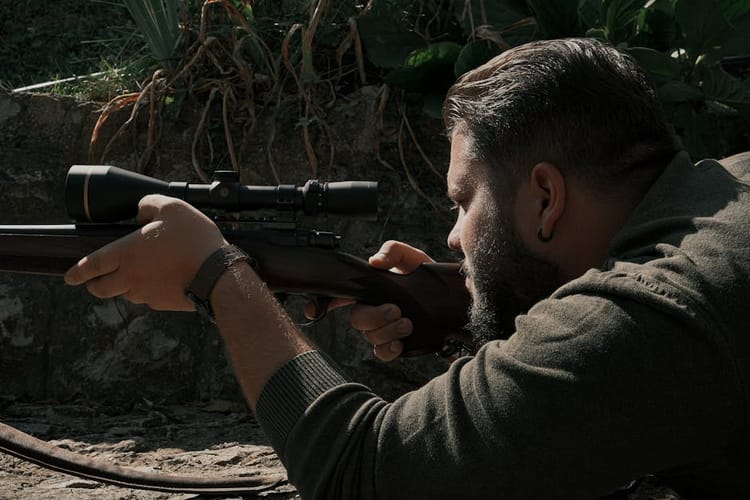
How to Choose a Hunting Rifle for Your First Elk Hunt
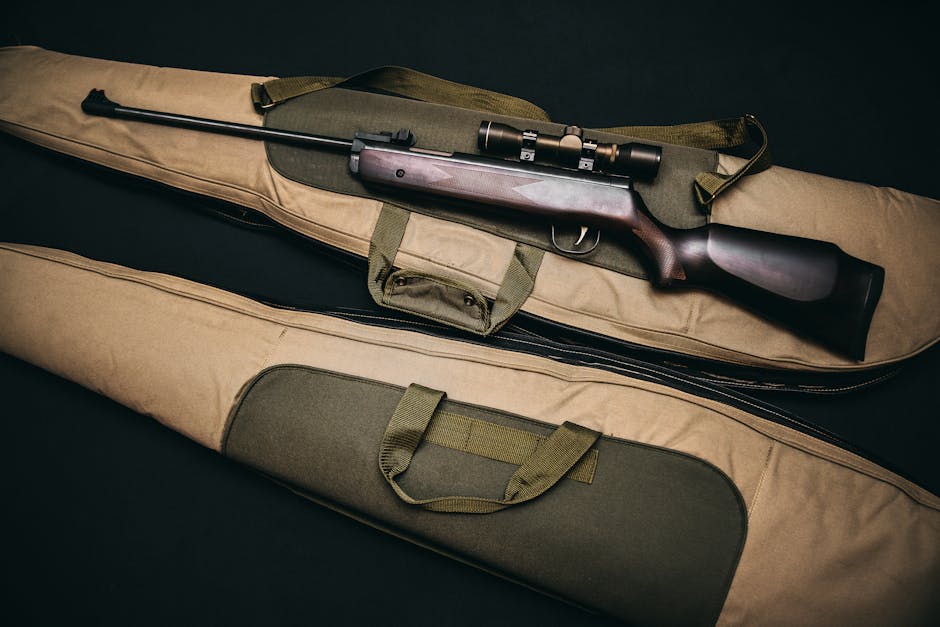
Your first elk hunt is not the place to bring a gun you bought last month and shot twice. It's also not the place for the biggest magnum you can carry, because recoil-induced flinching has killed more elk-hunt opportunities than any shortage of ballistic performance.
Here's how to think about the rifle for a first elk hunt without falling into the magazine-article trap.
What Elk Actually Need
A mature bull elk weighs 700 to 900 pounds. Cow elk run 500 to 650. The vitals — heart and lungs — are behind a shoulder joint and ribcage that's heavier than a deer's. You need a bullet that:
- Retains energy at realistic shooting distances (typically 100 to 400 yards)
- Penetrates through a shoulder blade if that's what gets in the way
- Expands reliably without fragmenting on the near-side ribcage
What you don't need is a .338 Lapua. Elk are not elephants. They die to a proper bullet from a proper cartridge at reasonable distances.
Caliber Recommendations, Ranked
6.5 PRC
The best all-around elk caliber for a modern flatlander hunting 6,000 to 9,000 feet. Shoots flat out to 500 yards, manageable recoil, bullets from 140 to 156 grains that penetrate well. Hornady 143 ELD-X or Nosler 142 AccuBond are proven on elk. Downside: ammo availability is better than it was but still behind .308.
.308 Winchester
The workhorse. Available everywhere, cheap ammo, manageable recoil, kills elk dead at 300 yards with a 165 or 180 grain bullet. Federal Premium 180-grain Trophy Bonded Tip is $60 a box and reliably lethal. If you already own a .308, you do not need to buy a different rifle for elk.
.30-06 Springfield
The sentimental choice, and it's not wrong. A 180-grain .30-06 has killed more elk than any other cartridge in the history of the sport. Ammo is everywhere. Federal Fusion 180-grain runs $40 a box. Ranges of 400 yards are its edge; beyond that you're better served by something flatter-shooting.
7mm Remington Magnum
More recoil than the above, more reach, 160-grain bullets that shoot flat out past 500 yards. Classic long-range elk rifle. If you handle recoil well and expect open-country shots, it's still an excellent choice.
.300 Winchester Magnum
The "serious" elk caliber that a lot of guys buy and don't shoot enough. 180 to 200-grain bullets hit like a truck at 400 yards. Recoil is sharp. Muzzle brakes help but they're loud — you'll want ear protection on the mountain. If you practice with it regularly, it's fine. If you only shoot it at elk season, you'll flinch.
What to Skip
- .243 Winchester — marginal on elk even at close range. Possible with perfect shot placement, not ideal.
- .22-250, 6mm Creedmoor, and similar — deer cartridges, not elk cartridges.
- .338 Lapua, .338 Win Mag — overkill, punishing recoil, expensive ammo. Unnecessary unless you're hunting brown bear too.
- "Short magnum" calibers you can't buy ammo for — even if the ballistics are great, finding .300 RUM in a small-town hardware store at 6 a.m. isn't happening.
Action Type: Bolt, and That's It
Bolt-action rifles are what you want for elk. They're reliable in cold and wet conditions, they're accurate enough for any realistic distance, and they're the platform that every serious hunting rifle in the price range is built on.
Lever actions work at close range in timber but don't reach. Semi-autos are fine but expensive for equivalent accuracy. Single-shots force you to be sure of your first shot, which isn't bad discipline but isn't practical for follow-ups.
Budget Tiers
Under $700
- Ruger American Hunter in 6.5 PRC or .308 — $550 to $650, accurate for the price
- Savage Axis II XP (scoped) in .30-06 or 6.5 Creedmoor — $550 to $600
- Remington 700 ADL in .308 — $650, the classic entry point
- Tikka T3x Lite — $750, the outlier in this range for quality
The sub-$700 rifles of 2026 are more accurate than anything that existed at any price in 1990. You do not need to spend more to kill elk.
$800 to $1,500
- Tikka T3x Hunter or Forest — $900 to $1,100
- Bergara B-14 Hunter — $850 to $1,100
- Christensen Arms Ridgeline Scout — $1,400
- Savage 110 Ultralite — $1,200
$1,500 and Up
- Browning X-Bolt Speed — $1,400 to $1,900
- Kimber Mountain Ascent — $2,200
- Custom Rem 700 builds from NorCal Precision, Gunwerks entry level — $3,500 plus
Above $2,000, you're paying for weight savings, fit and finish, and sometimes guaranteed sub-MOA accuracy. None of that makes an elk more dead than a well-practiced $900 Tikka.
Scope — Not an Afterthought
Cheap glass on a good rifle is a bad rifle. Budget at least $400 for the scope, more if possible.
- Vortex Viper HD 3-15x44 — $600, excellent glass for the money
- Leupold VX-5HD 3-15x44 — $900, lighter, great low-light performance
- Swarovski Z3 3-10x42 — $1,200, the "simple" premium scope
- Trijicon Accupoint 2.5-12.5x42 — $1,100, fiber-optic reticle works beautifully at dawn
For an elk hunt, a 3-15x or 3-12x scope is the sweet spot. Anything above 15x is excessive.
Practice, Not Internet Debates
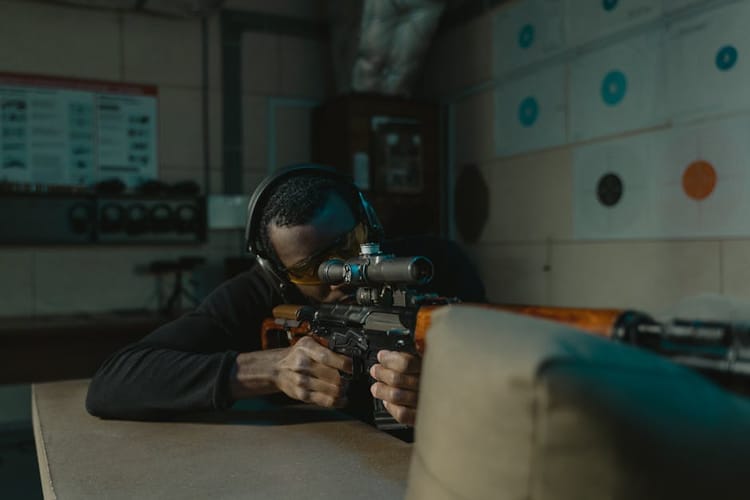
A rifle that shoots half-inch groups off a bench and 6-inch groups off a backpack at 300 yards is a 6-inch-group rifle. You need to shoot your rifle from field positions — off a pack, off shooting sticks, off a tripod, sitting, kneeling — at the distances you'll shoot at elk.
Put 100 rounds through the rifle in the six months before the hunt. Not from a bench — from field positions. That's the actual difference between a hunter who makes his shot and one who doesn't.
Short Answer
If you already own a .308 or .30-06 and you can shoot it accurately from field positions, that's your elk rifle. If you're buying new and you hunt in open country, 6.5 PRC is the best modern choice. If you're hunting dark timber inside 200 yards, a .308 is fine. Anything else is an optimization that doesn't matter on your first hunt.