Choosing Your First 5-Weight: Sage, Orvis, G. Loomis, and the Real Answer
A practical 5-weight fly rod guide — which rod suits which angler, price-vs-performance, and why the $900 rod isn't always better than the $300 one.
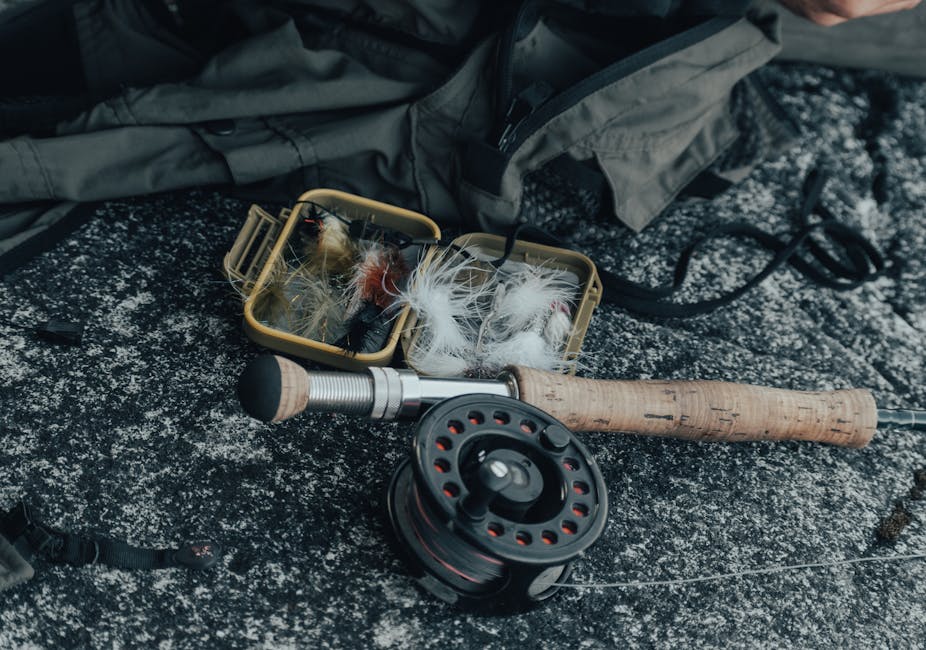
Every fly shop pushes $900 5-weight rods at first-year anglers. The pitch: this rod will last a lifetime, the action is perfect for you, you'll grow into it. Some of that is true. A lot of it is retail logic for a shop that makes more margin on premium gear.
Here's the actual advice on picking your first 5-weight without going broke or settling for junk.
What a 5-Weight Is For
The 5-weight is the most versatile trout rod in fly fishing. It handles:
- Dry fly fishing at reasonable distances
- Indicator nymphing with standard rigs
- Small to medium streamers
- Light bass and panfish work
- Most eastern and western trout stream fishing
It doesn't handle: heavy streamers, windy days on big rivers, saltwater, long Euro-nymphing drifts (for that you'd want a 10-foot 2 or 3 weight), or big western double-nymph rigs with indicators (a 6-weight is often better).
Price Tiers and What They Get You
$150 to $300: The Starter Tier
- Redington Classic Trout — $150. Slow-to-moderate action, forgiving, good for learning
- Echo Base — $130. Straightforward medium action
- Orvis Clearwater — $300. Good fit and finish, warranty-backed, solid everyday rod
- Temple Fork Outfitters Pro 2 — $230. Fast action, good value
- Maxcatch or Sougayilang — $50 to $100. Budget brand; rods work but don't have the feel of mid-tier gear
At this tier, you get a functional rod. It casts acceptably, comes with a warranty or rod sock, and lets you focus on learning. The components — guides, reel seat, cork — are fine but not premium.
$300 to $600: The Middle Tier
- Orvis Recon — $550. Fast, light, excellent all-around
- Scott Centric — $895 (edges up to premium)
- St. Croix Imperial — $280. Excellent value, slower action
- Echo Carbon XL — $250. Surprising quality
- Winston Pure — $650. Premium-tier on older pricing, slower action, long-casting
The middle tier is where the rod-making advantages become obvious. Lighter blank, better components, cleaner finishes, better balance with a good reel. You can cast long days without fatigue.
$600 to $1,100: The Premium Tier
- Sage X or R8 Core — $900 to $1,100. Industry-standard fast-action rods
- Orvis Helios 3D (or newest iteration) — $950. Accurate, lively
- G. Loomis Asquith — $1,000. Precise, fast
- Thomas and Thomas Avantt II — $950. Moderate action, beautifully built
- Scott Centric — $895. Medium-fast, smooth
- Winston Air 2 — $950. Signature slow-but-powerful action
Premium rods are lighter, more precise, and have a "feel" that well-made blanks develop. They aren't twice as good as middle-tier rods for most anglers. They do last a lifetime with care.
Above $1,100: The Luxury Tier
Hardy Zephrus, Scott G Series, custom-built rods from small makers. These are "pay for the name" or specialty tapers for experienced anglers who know what they want. Not a first-rod category.
Action: Fast vs. Slow
A fast-action rod has a stiff middle and butt that loads at the tip. It casts tight loops, handles wind well, and rewards crisp casters. A slow or medium-action rod bends further into the middle, loads more gently, and casts softer loops.
- Fast action: Sage X, Orvis Helios, G. Loomis Asquith. Better for experienced casters, windy conditions, long casts.
- Medium-fast action: Orvis Recon, Scott Centric, Winston Air 2. Good all-around, forgiving.
- Slow/medium action: Winston Pure, Thomas and Thomas Avantt, Redington Classic Trout. Better for learning, short-to-medium casts, delicate presentations.
First-year anglers often over-buy fast rods because of marketing. A medium to medium-fast rod is more forgiving while you learn.
The Honest First-Rod Recommendation
For a true beginner spending up to $400:
- Orvis Clearwater 9' 5wt — $300. Quality you'll keep for years. Comes with a warranty.
- Redington Vice 9' 5wt — $300. Medium-fast action, well-made.
- TFO Pro 2 9' 5wt — $230. Fast action, excellent value.
For an intermediate angler or someone willing to spend $600:
- Orvis Recon 9' 5wt — $550. Excellent all-around.
- Scott Centric 9' 5wt — $895. Premium-leaning but justified.
- Winston Pure 9' 5wt — $650. Medium action, long-casting.
For someone who wants a "buy once, cry once" premium rod:
- Sage R8 Core 9' 5wt — $1,100. Fast action, precise.
- Orvis Helios 3D 9' 5wt — $950. Lighter than specs suggest.
- Winston Air 2 9' 5wt — $950. Signature Winston feel.
Reel Matters Too
A reel in the $100 to $250 range is adequate for trout. Ross Colorado, Lamson Liquid, Orvis Hydros. Fancier reels with sealed drags ($400 to $800) matter for saltwater and big fish. Trout work, a basic reel is fine.
Line and Leader
Line quality matters more than most beginners realize. A $95 Rio Gold WF5F line casts better than a $40 house-brand line on the same rod. The rod and line are a system; don't cheap out on line to afford a better rod.
The Rod Shop Test
Good fly shops let you cast rods before buying. Take a 20-minute appointment, cast three rods at different price points on the shop's casting pond, and see what you prefer. The rod you cast best — not the most expensive — is your rod.
Online buying is fine once you know the rod's action and taper. First purchase, casting in person is worth the drive.
The Reality
A 25-year-old Sage XP someone gave me casts as well as anything on the market today. A friend's $1,100 R8 Core does fancy things at 60 feet that I can't appreciate at my casting level. For 90 percent of fishing scenarios, any decent 5-weight will catch fish if you can put the fly where it needs to go.
Don't let the premium-rod marketing convince you that you need to spend $1,000 to start. Spend $300 to $600, fish hard for a year, and then decide if you want to upgrade. You'll know more about what you actually want by then.