Quail Coveys and Old Southern Ground: A Bobwhite Revival Story
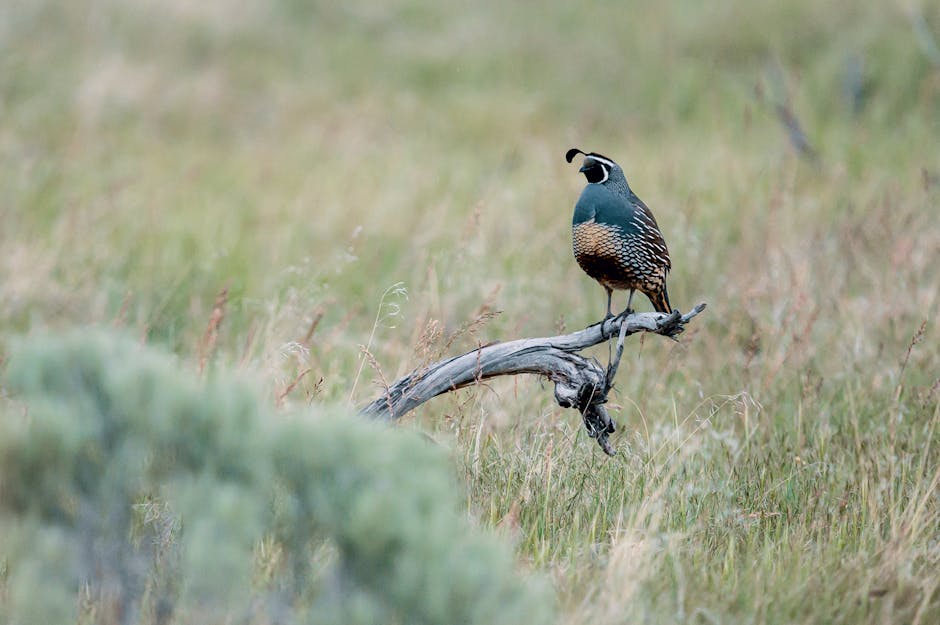
A bobwhite quail hunt on a well-managed southern plantation is one of the most refined experiences in American upland hunting. It's also one of the most expensive, because the ground it happens on takes a small fortune to maintain in shooting condition. The old family farms where your grandfather shot wild bobwhites mostly don't exist anymore — fescue, fire ants, and fragmented habitat killed the bird across most of its range.
But there are places bobwhites are coming back. Some of them are even accessible to regular hunters.
What Happened to the Bobwhite
The bobwhite population across the southeastern US has dropped by roughly 85 percent since 1966. The reasons are a stack of problems: agricultural intensification, fire suppression that allowed brush to shade out grass, invasive fescue that doesn't provide the bare ground bobwhites need, fragmentation of habitat, and heavy predation pressure.
Most of the bird's former range is no longer quail habitat. The places bobwhites still thrive are places where someone spends time and money maintaining the habitat — burning, thinning, planting native grasses, controlling mesopredators.
Where the Birds Are
Plantation Hunting in the Red Hills
The Red Hills region between Albany, Georgia and Tallahassee, Florida has the highest density of managed wild quail anywhere in the US. Historic plantations — Pebble Hill, Tall Timbers, Dixie Plantation, and dozens of private properties — manage thousands of acres specifically for bobwhite.
Commercial hunts on these properties run $750 to $1,500 per gun per day and include dogs, guides, mules or jeeps, and meals. You're hunting 6 to 12 coveys in a half-day with a professional dog handler running pointers ahead of the party.
Public Land Efforts
Several states have invested in quail focal areas — portions of wildlife management areas managed specifically for bobwhite recovery. Notable:
- Ichauway and Di-Lane in Georgia
- Apalachicola National Forest in Florida
- Tallahala WMA and Black Prairie WMA in Mississippi
- Western Kentucky WMAs under the Quail Initiative
- Texas Rolling Plains — still the only region with widespread huntable wild quail populations on public ground
Public land quail is not guaranteed. On an average WMA, you might hunt all day and find one covey, or none. Texas Rolling Plains is different — a good year on the plains is the best public-land quail hunting in the US.
Private Permission Hunts
The old model — walking your grandfather's farm and finding a covey behind the barn — is mostly gone. But working farmers in parts of Texas, Oklahoma, and Kansas still have huntable populations. Knocking on doors, offering to help with land management, and being the kind of hunter landowners want on their property — that still works.
The Hunt Itself
Bobwhites live in coveys of 8 to 20 birds from fall through early spring. A covey point-rise-shoot is different from any other upland hunt you'll do.
The Dog
English Pointers and English Setters dominate the southern quail scene. They range wider than a grouse dog (100 to 300 yards in open country), and a field trial-caliber pointer can cover 40-acre fields in a single cast. Walking dogs — Brittanys, German Shorthairs — work fine for closer-in hunting.
When a dog points, the gunners approach at a steady pace, from behind or to the side of the dog. The covey rises in a roar of wings, 10 to 20 birds breaking in multiple directions. You get one or two seconds to pick a bird and shoot. Singles land nearby and can be worked up on point after the rise.
The Shotgun
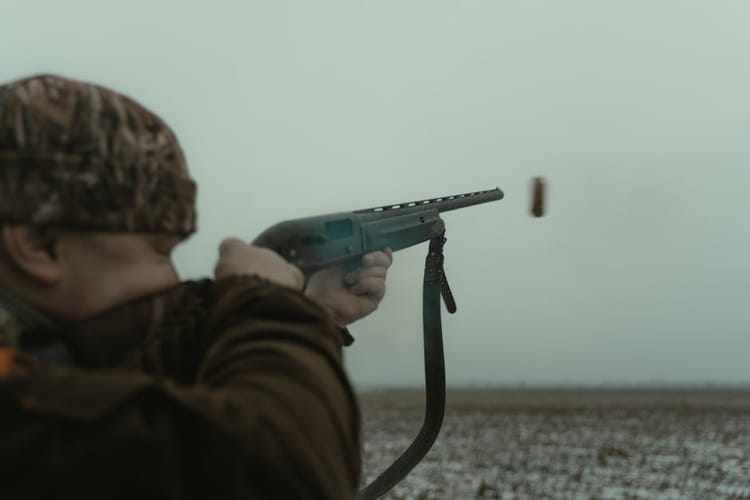
Open chokes, fast-handling gun, light. 20 gauge over/under is the standard. 28 gauge is traditional on the upper-crust plantations. Cylinder and improved cylinder chokes. Loads: 3/4 to 1 ounce, 8 or 8.5 shot.
A straight-stocked 20 gauge SxS weighing 6 pounds — Beretta, Parker reproduction, or a good old Fox Sterlingworth — is the classic. Over/unders work equally well. Semi-autos look out of place on a plantation hunt but shoot fine.
The Pace
Plantation hunting is slower than other upland hunts. The party rides between fields on a mule-drawn wagon or a jeep, hunts a field until it's played out, moves to the next. A half-day might cover eight fields and fifteen miles of driving.
DIY walking hunts on public land are more active — walking rim roads, field edges, and plum thickets, listening for wing sound at evening roost.
Cost Realities
- Plantation hunt (Red Hills): $1,000 to $2,000 per gun per day, plus lodging and tip
- Preserve quail hunting (released birds, not wild): $200 to $500 per gun per day
- Public land DIY (with your own dog): price of gas and license
- Texas Rolling Plains lease: $500 to $2,000 per gun per season
Released-bird preserves are not the same experience as wild quail hunting, but they offer consistent shooting and work well for dogs in training. Don't dismiss them, but don't conflate them with the real thing.
What a Good Day Looks Like
Plantation, wild-bird: 8 to 14 coveys found in a half-day, 20 to 40 shots fired, 10 to 25 birds in the bag (limit varies). Dogs running hard all day. Mule wagon waiting at field edges.
Public land Texas Rolling Plains, good year: 4 to 8 coveys in a day, more mileage walked, a tailgate lunch. Three to six birds if you're shooting well.
Southeastern public land WMA: one or two coveys if you find them, a lot of walking, the feeling that you got lucky.
The Bird
A bobwhite weighs seven to eight ounces. Plucked, split, and grilled over coals with bacon and butter, it's the finest eating upland bird in North America. Don't grind it for sausage. Eat it whole.
The recovery of bobwhite in managed areas is one of the conservation success stories of the last twenty years. Hunting them — well, on good ground, with a good dog — connects you to a Southern tradition worth preserving. It's not the hunt of your grandfather's Saturday afternoons. Almost none of that exists. What exists now is its own thing, and it's worth doing while you can.