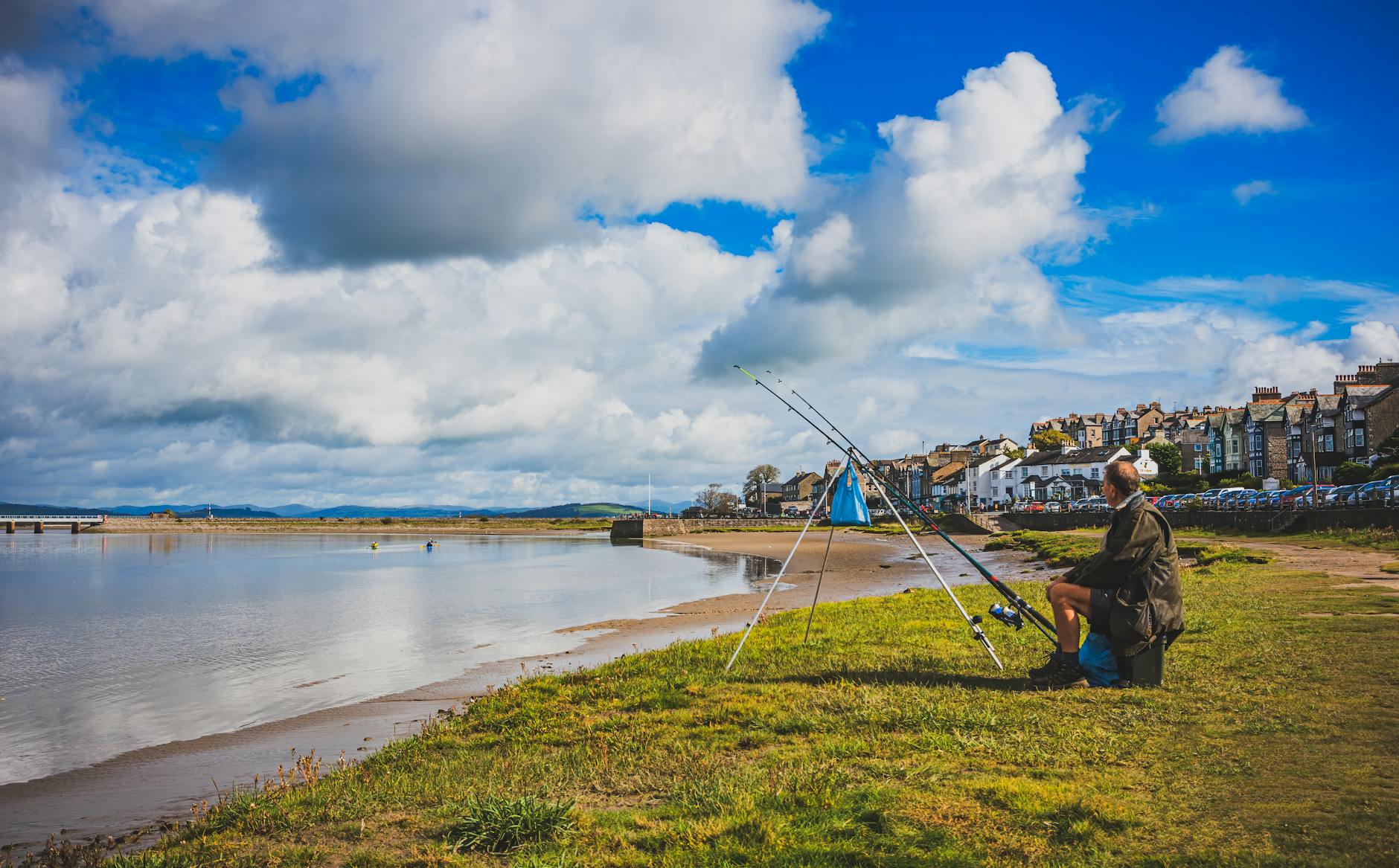
The UK coarse fishing close season — the no-rivers period for cyprinids — ended on 16 June last year and continues to be observed by the Environment Agency through to 15 June 2026 for England. That leaves still-water fisheries open, and from mid-May onwards the carp lakes across the southern UK are in serious post-spawn feeding mode. The next four weeks are arguably the best of the carp angling year.
For game fishing, the salmon and sea-trout window on the Spey, the Tweed, and the Welsh Tywi is genuinely productive through to early July. For sea fishing, the bass season is now in serious territory from the south coast through to North Wales.
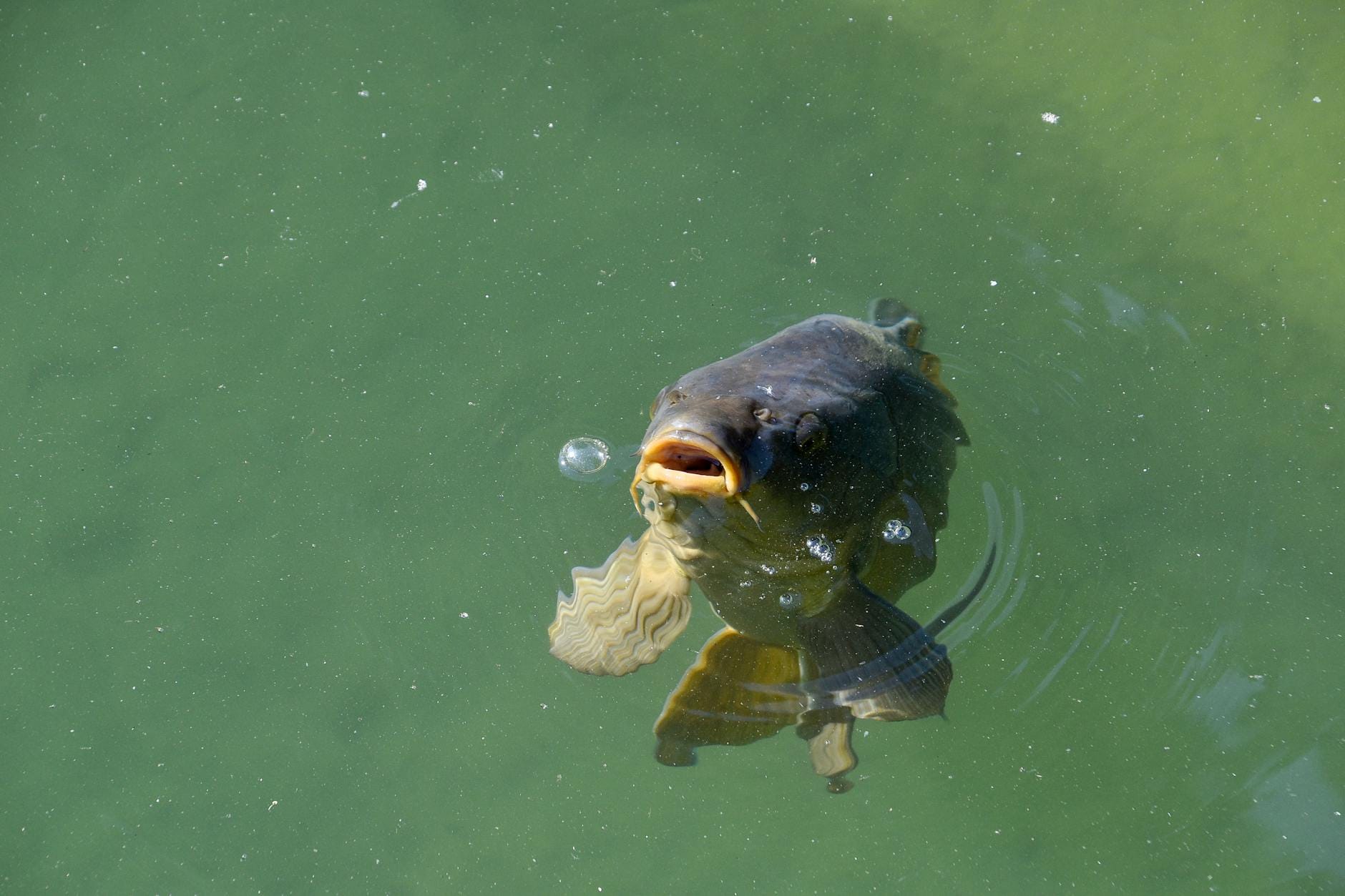
Here is the angler's late-May briefing — what's worth fishing, where, and the gear that actually matters versus what the magazines are pushing.
Carp: the post-spawn feeding window
UK still-water carp typically spawn between 15-30 May depending on water temperature. The current Met Office summary suggests this year's main spawning has happened in the warm spell on 18-19 May, which means the lakes from now to mid-June are full of hungry, recovering fish. The reading: serious feeding behaviour, large bait response, and the highest single-fish-of-the-year probability of any window.
Reference waters worth booking: Sandhurst Lake near Yateley (Hampshire) for the genuine specimen fish, day tickets £35-60 depending on swim; Korda Lake at Linear Fisheries (Oxfordshire) for the modern carp scene at £45 per day; Mansfield Pond on the Bluebell complex for accessible big fish at £25 per day.
Bait strategy: boilies in the 18-24mm size at 100-150 free baits per swim per session. The reference flavours in 2026 are CC Moore Live System, Mainline Cell, and the newer fishmeal-based Sticky Krill. Avoid sweet baits in post-spawn conditions — fish are recovering and want protein, not sugar.
The rod-and-reel question: the value bracket has shifted in 2026. The Daiwa Black Widow G50 at £85 per rod gives you 90 per cent of the performance of the Sonik Vader X Recon at £195. For most weekend carp anglers, three Black Widow rods and three Shimano Baitrunner DL 5000 reels at £75 each is the £495 setup that catches as much as the £1,500 setup.
Salmon and sea-trout: the Scottish and Welsh windows
The Spey at the end of May is at its proper level after the snowmelt subsided in mid-April. The middle beats (Tulchan, Aberlour, Knockando) are productive for fresh-run grilse from now through to early July. Day rod prices on the Spey in 2026: £180-380 depending on beat and rotation.
The Tweed is genuinely the salmon angling story of 2026 — recovery from the dismal 2020-2022 run, with the spring run producing measurably better catches. The Mertoun, Birgham, and Junction beats at £220-450 per day are the references.
For the Welsh Tywi sea-trout, the night fishing window from now through to August is the most consistently productive in the UK. Day tickets on Llandeilo Angling Association waters at £18-32, weekly permit at £85. The fishing is genuinely difficult — sea-trout in clear, low water at night require both technical skill and patience — but the reward is the largest sea-trout in British waters consistently.
Gear specific to game fishing: a Hardy Demon Shadow 13ft #8/9 single-hand at £580 is the reference Spey rod for a working angler. Pair with a Lamson Liquid 9+ reel at £170 and an Airflo Forty Plus shooting head for the £1,000 setup that handles the full UK summer salmon programme.
Sea bass: the south coast and Welsh shores
The UK bass season is into peak. From the Dorset coast through to the Pembrokeshire shoreline, late May to mid-June produces the largest single-fish averages of the year. Recreational bag limits in 2026 remain at one fish over 42cm per angler per day from May to December.
The reference locations: Chesil Beach near Portland for shore fishing (specimen fish to 6kg are realistic), Mevagissey in Cornwall for boat fishing with the local charter fleet (£75-95 per day per angler), and the Llyn Peninsula in North Wales for fly-fishing for bass in shallow water — the relatively new technique that's transformed Welsh bass angling.
The gear that matters: a Daiwa Saltist Hyper Long Cast 4500 at £180 paired with a Shimano Beastmaster Surf 13ft rod at £160 is the £340 shore-fishing setup that out-fishes setups twice the price. For lure fishing from rocks: a Penn Slammer IV 5500 reel at £225 with a Daiwa Tournament Surf 11ft 6in at £210 is the £435 reference.
Hunting: the season transitions
The UK deer-stalking season for sika and red deer hinds and calves is closed from 1 April to 31 October. Roe deer bucks have been open since 1 April and are in their summer prime. The season for fallow deer bucks opens 1 August.
For working stalkers in 2026: the roe buck rut peaks late July to mid-August but the May/June window is the most productive for selective management cull. Stalking permits across the Scottish Highland estates remain in the £180-280 per day range. The Forestry England outlets at Kielder, Thetford, and Grizedale offer accessible day tickets at £120-160 with stalker support.
Game shooting is in close season — the pheasant and partridge seasons resume 1 October and 1 September respectively. The April-July window is the period for working dogs, clay pigeon practice, and serious gun maintenance. The clay shooting circuit through summer is the keep-the-eye-in approach that most serious game shooters take.
The kit upgrade conversations worth having
For carp anglers: a serious 4-rod rod-rest setup (Cygnet Stainless Steel at £180-220) outlasts the equivalent budget gear by approximately three to five years and is worth the investment if you fish 30+ days per year.
For salmon anglers: waders matter more than rod choice for someone doing 20+ days. Simms G3 Guide stocking-foot waders at £475 plus the Simms Freestone boots at £180 — the £655 lower-body setup that lasts five seasons of British river work.
For sea anglers: a Berkley Pro Spec Carbon-Wrap surf rod at £240 lasts ten years. The cheaper rods break within two seasons in genuine UK saltwater conditions. The lifetime cost calculation favours the better rod.
The fishing weekend that's worth booking
For mid-June: a long weekend on the Welsh Wye for sea-trout night fishing, three nights in a fishing inn, total cost approximately £350-450 per person all-in. This is the kind of weekend the British angler reads about in The Field but rarely actually books. The window is short, the experience is genuinely unique, and the bookable rooms in the riverside inns disappear by mid-June.
For July: a 5-day stalking and fishing trip to the Scottish Highlands. Combined cost £1,200-2,000 per person including accommodation and licences. The classic British country sport package that's accessible for working professionals and that the country house hotels still organise properly.
Late May through mid-July is the British angling and shooting prime season. The next 20 days specifically are the carp and bass peak window. The decisions made in the next ten days about booking accommodation, gear sourcing, and dates with friends determine how the next eight weeks of fishing actually unfold.