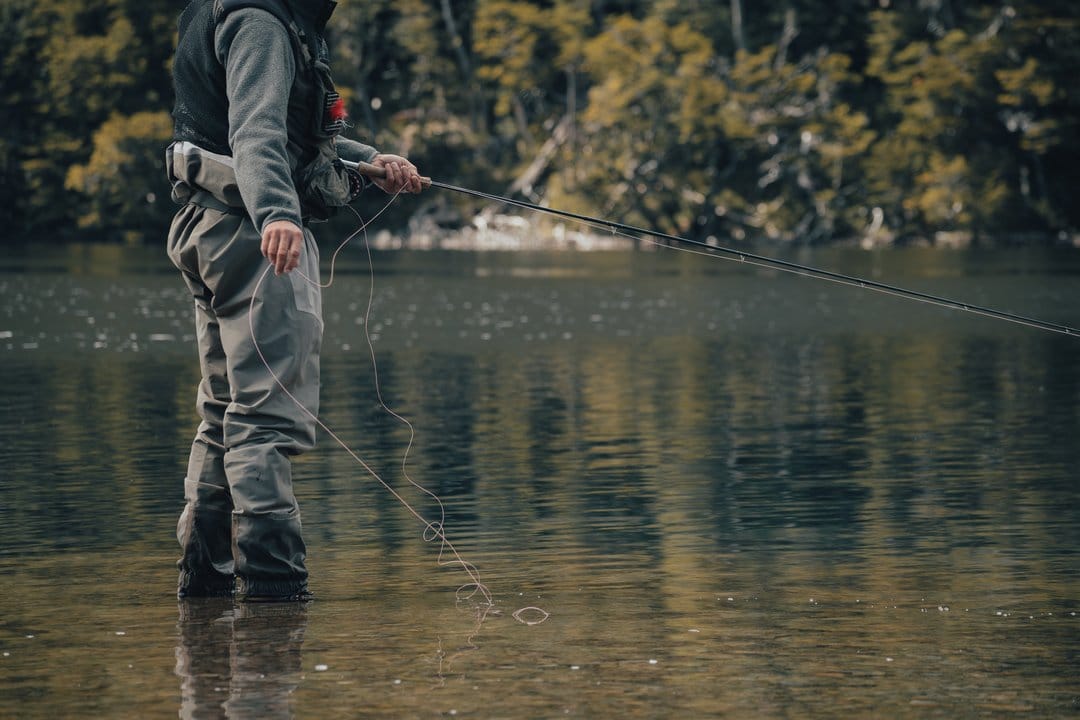
Spring stillwater trout fishing is the easy season — the fish are high in the water, hungry after winter, and forgiving of mistakes. Summer is when it gets interesting. As the water warms through June and into the hottest months, trout change their behaviour completely, and anglers who keep fishing the way they did in April wonder where all the fish went. They haven't gone anywhere. They've gone down, and they've got fussy. Adjust to that and summer can be some of the most rewarding fishing of the year.
Why warm water changes everything
The key to summer trout is understanding what heat does to the water. Warm water holds less oxygen, and trout are cold-water fish that become stressed and lethargic when it gets too warm. So as the surface heats up under a high summer sun, the fish retreat to where conditions suit them: deeper, cooler, more oxygenated water. The shallow margins and surface that produced fish in spring are now often the worst place to be in the heat of the day.
Find the cooler, deeper water and you find the fish. On many stillwaters that means the deeper basins, areas near inflows where fresh, oxygenated water enters, and anywhere a breeze is pushing oxygen into the water.
Fish the right times of day
Timing matters more in summer than at any other point in the season. The middle of a hot, bright day is usually the hardest time — the fish are deep, sluggish and reluctant. The golden windows are early morning and evening, when the light is low, the water is at its coolest, and trout move up and feed more actively. A summer evening rise, as insects hatch and fish come up to take them off the surface, can produce the best sport of the whole day in a short, intense spell. If you can only fish a few hours, make them the first and last of daylight.
Going deep: tackle and tactics
When the fish are down, you have to get your fly down to them, and this is where many anglers fail by fishing too shallow.
- Sinking and intermediate lines come into their own. A floating line that worked in spring simply can't reach fish holding several metres down. Carry a sink-tip or full sinking line to present flies at the depth the trout are actually sitting.
- Count it down. After casting, let the line sink and count before retrieving, varying the count until you find the depth where takes come. Once you find the level, repeat it.
- Slow your retrieve. Lethargic, warm-water fish often won't chase a fast-stripped fly. A slow, patient retrieve — sometimes barely moving the fly — tempts fish that can't be bothered to work hard.
Fly choice
In low, clear summer water, trout get a good look at your fly and a better look at your leader, so finesse pays. Lengthen and lighten your leader to be less conspicuous, and don't be afraid to scale down fly size. Imitative patterns that match the insects actually present — buzzers and nymphs fished deep, small lures, and dries during an evening rise — tend to beat big, brash flies once the water is clear and the fish wary. When trout are visibly taking from the surface in the evening, switch to a dry fly that matches the hatch and you can have spectacular, visual fishing.
Fish welfare in the heat
This matters more in summer than at any other time, and responsible anglers take it seriously. Warm, low-oxygen water means a hooked or released fish is far more easily stressed and slower to recover. If you're returning fish, play them quickly rather than exhausting them, keep them in the water as much as possible, handle them with wet hands and minimal air time, and let them recover fully before release. In genuinely hot spells, when the water is very warm, the kindest decision is sometimes to fish at dawn only, or not at all — a stressed fish released into warm water may not survive.
The summer mindset
Summer trout fishing rewards the angler who adapts rather than the one who works hardest. Fish the cool edges of the day, get your flies down to where the trout are actually holding, slow everything down, and refine your presentation for clear water. It's a thinking person's season — less about flogging the water and more about reading it. Get it right, and the quiet of a summer dawn or the magic of an evening rise will give you fishing every bit as good as spring, and arguably more satisfying for having earned it.