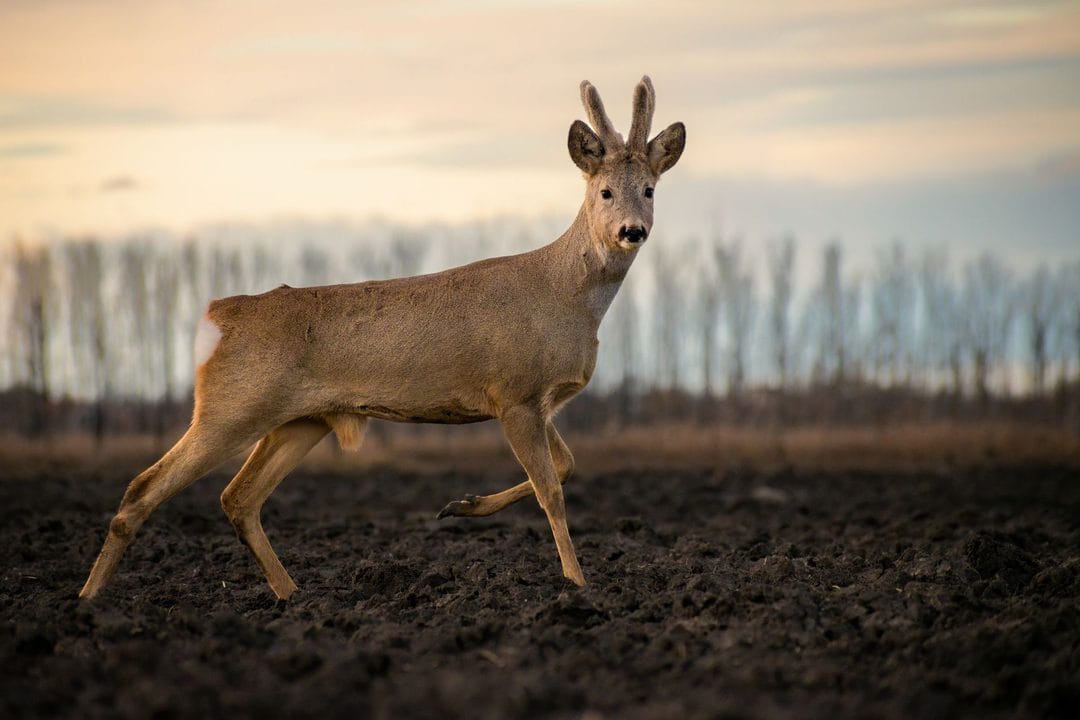
The roe buck season opened on the first of April, but June and July are when the stalking actually gets good. The bucks have rubbed off the last of the velvet, the rut is still six or seven weeks away, and the animals have settled into a routine you can read. Get out at first light through August and you will see more roe than at any other point in the calendar, which is exactly why a lot of British stalkers waste the best weeks of the year sitting on a buck that was never worth the cartridge.
Why the high-summer weeks beat the rut for a first buck
Everyone talks about the rut at the end of July and into early August, when a buck will charge to a Buttolo call like it has lost its mind. It is dramatic, and it works, but it is also the worst time to be selective. A buck in full rut is fixated on a doe and on seeing off rivals, and you will struggle to age him properly through the scope when he is crashing through bracken at forty yards. The quiet mornings of mid-June, by contrast, give you a relaxed animal grazing a field edge in flat light, standing broadside, giving you all the time you need to count points and read body shape.
That window matters because roe stalking in this country is not really about the shot. The shot is the easy part for anyone who has put in range time. The hard part — the part that separates a stalker from a bloke with a rifle — is the decision made in the ninety seconds before it. Is this a young six-pointer who deserves another two seasons? Is he the dominant buck holding this patch of woodland, or a passing yearling? In June you have the light and the calm to make that call honestly. In the rut you are guessing.
Reading the buck before you read the crosshair
Body, then head, then antlers — in that order. A mature roe buck carries himself differently: a thicker neck, a slightly sway-backed look, a heavy front end. Young bucks look leggy and light, almost like an oversized doe with antlers. Plenty of stalkers go straight to the antlers, get excited by a tall set of tines on a two-year-old, and shoot the future of the population. The antlers tell you the least. A genuinely old buck past his prime often carries poorer, going-back heads, and culling him is good management. The handsome six-pointer in his prime is usually the one to leave.
Kit that actually earns its place
You do not need much, and the temptation to over-buy is the enemy of getting out the door. The list that matters is short.
- A flat-shooting deer-legal cartridge. The .243 Winchester remains the most sensible all-round roe round in Britain — it meets the legal minimums comfortably, recoil is mild enough to spot your own shots, and ammunition is everywhere. The .308 is overkill for roe but fine if it is what you own.
- Binoculars you will actually carry. A 8x42 is the honest answer. People buy 10x56 monsters for the marginal low-light edge and then leave them in the cabinet because they are a brick round the neck at four in the morning.
- A set of sticks. Quad sticks if you can stretch to them — a Viper-Flex or similar runs about £150 — because a steady standing shot at first light in long grass is worth more than any rifle upgrade.
- Sit somewhere you can see, and bring something to sit on. A simple roe sack does double duty: a dry seat now, and a way to drag the beast out later.
Notice what is not on that list. Thermal scopes, rangefinding everything, the latest moderator. Useful, occasionally, but none of it shoots the buck for you.
The morning that works
Be in position before the sky goes grey, downwind of the field edge or ride you intend to watch. Roe feed out at the very margins of dawn and melt back into cover within the hour, so a late start is a wasted start. Move slowly between vantage points, glass everything twice, and let the wind do your thinking — a roe's nose will beat your fieldcraft every single time. If you have done your homework on where the deer are lying up, you are simply intercepting a routine you already know.
And here is the part nobody puts in the glossy magazines: most good mornings end without a shot. You will watch a buck for twenty minutes, decide he is too young, and walk home with cold feet and an empty rifle, and that morning was a success. Restraint is the skill. The freezer fills itself over a season once you stop forcing it.
After the shot — the work that defines the trip
A clean heart-lung shot drops a roe within a short dash, but the job starts where the shot ends. Gralloch promptly, keep the carcass clean, and get it cool fast — high-summer mornings turn warm quickly and roe venison is too good to spoil through laziness. If you are selling into the game dealer chain you will need to handle and record it to the wild-game hygiene standards; if it is for your own table, the same care just tastes better. A young roe buck taken in June, hung properly and butchered with a bit of patience, is the finest venison in these islands, and there is nothing in a supermarket that comes close.