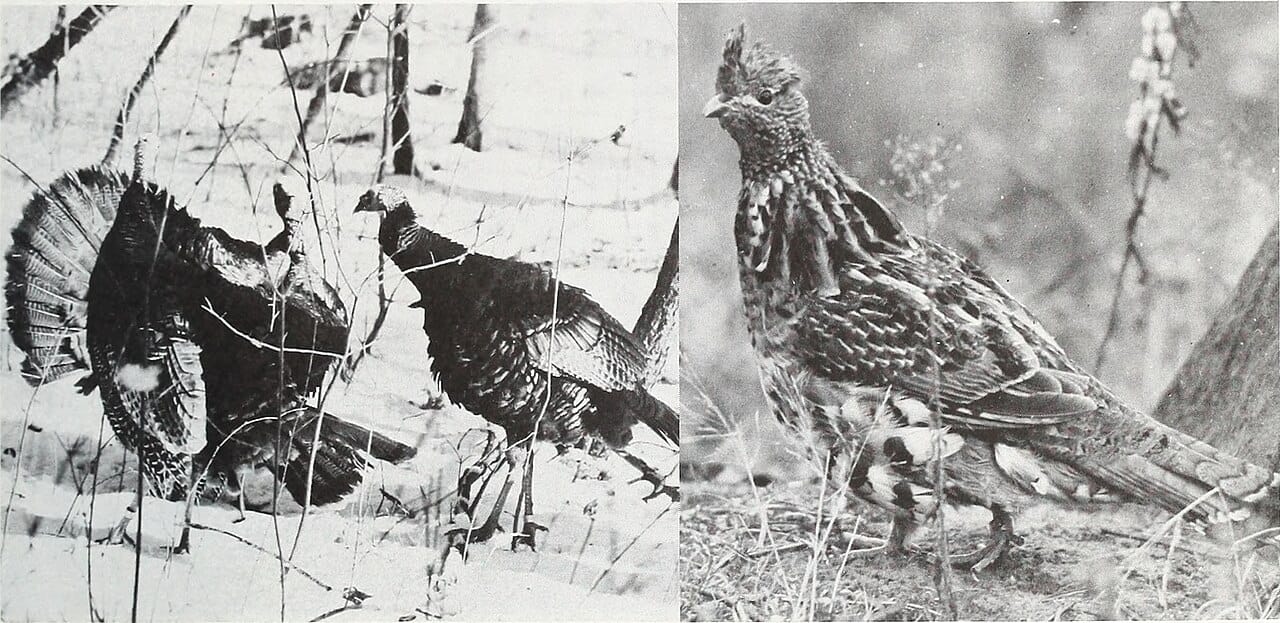
For two decades, the conventional spring turkey hunting trip for Midwestern hunters was the drive to Pierre, South Dakota — public land birds, decent hen-to-tom ratios, friendly access through the South Dakota Game, Fish and Parks walk-in program. As of the 2024 and 2025 seasons, that calculus inverted. Wisconsin's late-period public land hunt now consistently outperforms South Dakota for hunters with two-day or three-day trips from the Chicago, Milwaukee, Minneapolis or Twin Cities corridor. The 2026 spring season — closing this week — confirmed it for the third consecutive year. The reasons are worth examining.
The South Dakota decline
South Dakota's spring turkey population peaked in 2019-2020 and has declined approximately 28% through the 2025 season (SDGFP harvest data). Three drivers:
- Predator pressure: high coyote and raccoon populations have dramatically reduced poult survival rates since 2020. The 2024 brood survey was the lowest since 1997.
- Weather impact: cold, wet springs in 2022 and 2024 reduced nesting success significantly. SDGFP estimates 2024 nest success at 31%, against a long-term average of 48%.
- Habitat loss: continued conversion of CRP grasslands to corn and soybean acreage reduces both nesting cover and brood-rearing habitat.
Walk-in tract pressure has compensatingly increased. Hunters on the most accessible WIA tracts are now reporting 40-60 other hunters parked on the same access points during the opening weekend.
The Wisconsin recovery
Wisconsin's wild turkey population, depressed in the early 2020s by similar weather and predator factors, has rebuilt substantially since 2023. Spring 2026 brood data (provisional, full numbers expected June): estimated statewide population 425,000, the highest since 2018. Three structural advantages over South Dakota:
- Forest habitat: Wisconsin's broad mix of hardwood timber, ag-forest edges and brushy openings is more naturally productive turkey habitat than the South Dakota prairie + cottonwood draw mix.
- Predator dynamics: Wisconsin's bobcat and coyote populations are predator-on-predator regulated, with mesocarnivore populations less concentrated than in South Dakota.
- Public land access: Wisconsin DNR forests, Chequamegon-Nicolet National Forest, and county forest lands provide approximately 6.2 million acres of accessible public land — substantially more total acreage than South Dakota walk-in.
The May "period 5" hunt specifically
Wisconsin's spring turkey season is divided into 5 numbered periods. Period 1 (mid-April) is the most popular but coincides with the breeding peak when toms are tightly attached to hens — poor calling success. Period 5 (the final week of the season, generally the second week of May) is the underrated window: hens are starting to nest, toms are more responsive to calling, hunting pressure is dramatically lower, and weather has typically warmed.
Why period 5 hunts better in 2026
The 2026 season's period 5 dates ran 6-12 May. Three factors:
- Weather: the 2026 spring warmed early; the first week of May saw consistent 70°F afternoons across central Wisconsin, conditions that maximally activated toms.
- Tom availability: most hens had begun nesting by May 6, leaving 60-70% of toms unattached during morning fly-down periods. Calling response was substantially better than period 2-3.
- Pressure: estimated 18% of season-long Wisconsin turkey hunters were active in period 5, against 42% in period 1. Public land in counties like Marinette, Forest, Florence, Sawyer, and Bayfield had near-zero hunter density on most public tracts.
The tactical takeaways for 2027 planning
For hunters planning the 2027 spring season:
- Reserve period 5 tags ahead of time: Wisconsin's permit system allows applying for specific periods. Period 5 is undersubscribed and tags are easy to get.
- Focus on northern counties: Marinette, Florence, Forest, Vilas, Oneida and Lincoln counties have lower hunter density than southern/central counties and similar bird densities.
- Use the morning-only approach: in period 5, the productive window is 5:30am-9:30am when toms are most active. Afternoon hunting is generally unproductive in late season.
- Adjust calling style: late-season toms have heard hens all spring. Calls need to be more conservative — soft yelps, occasional clucks, less aggressive cutting than April. The Primos "The Boss Lady" mouth call run softly is the late-season standard.
What's happening in South Dakota for 2027
SDGFP announced in March 2026 a reduction in 2027 over-the-counter tags by approximately 25% to allow population recovery. The walk-in program adds tracts each year but cannot keep pace with the population decline. For dedicated South Dakota hunters with private-land permission, the state remains productive. For public-land hunters, the calculus has clearly shifted east.
The longer arc
The Eastern wild turkey, native to Wisconsin and absent for the first half of the 20th century, has fully recolonised the state since the 1976 reintroduction program. The current Wisconsin population is approximately 12 times higher than the 1980 reintroduction baseline. Habitat work by the Wisconsin DNR and Ruffed Grouse Society — combined with mature beech-oak forest structure across the northwoods — gives the state a long-term advantage that is unlikely to reverse.
For Midwestern hunters planning 2027, Wisconsin period 5 has overtaken South Dakota as the highest-percentage public-land spring turkey hunt within driving distance. The migration of hunters east is rational and likely to continue.