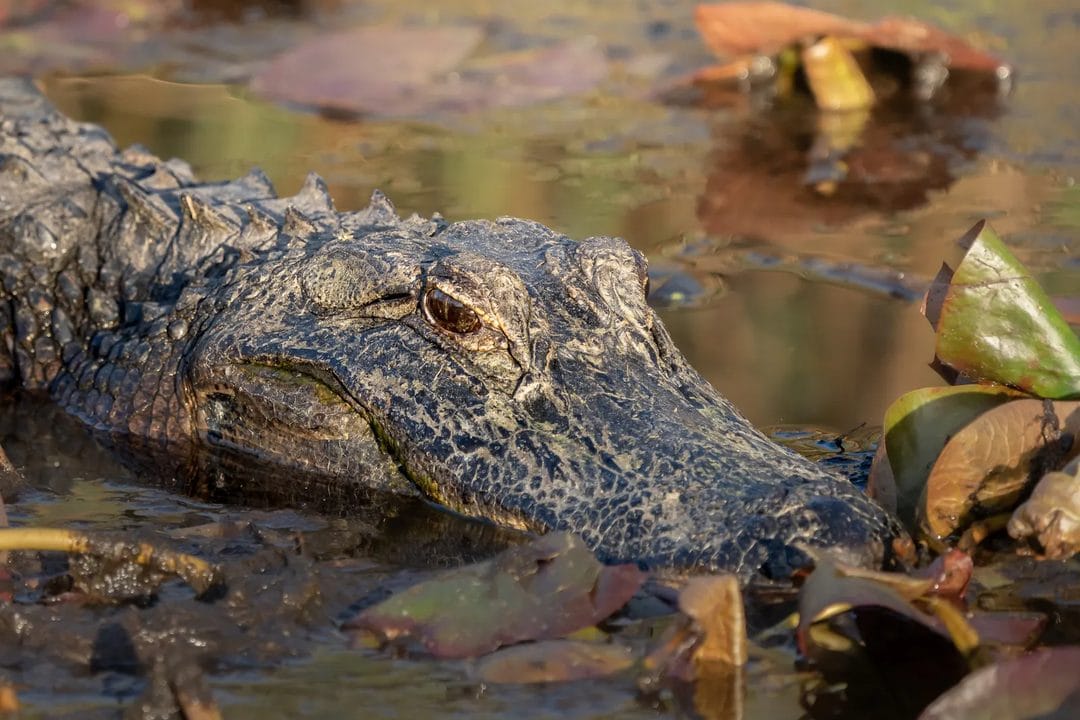
Florida's statewide alligator hunting season opened August 15 and runs through November 1, with the Florida Fish and Wildlife Conservation Commission issuing approximately 7,000 permits for the 2026 program. Each permit holder receives two CITES tags, allowing the harvest of up to two alligators within an assigned harvest area unit.
The season's first four weeks are split into four quota weeks, with each permit tied to one specific week rather than the full stretch. Permits are distributed across four application phases: hunters may submit one application per phase and receive up to one permit in Phase I, II, or III, all filled by random drawing. A fourth phase, called Leftovers, issues remaining permits on a first-come, first-served basis and allows a single applicant to accumulate up to 10 permits.
New Super Hunt Program Runs Into December
For 2026, the FWC added a separate Alligator Super Hunt program alongside the standard statewide draw. Super Hunt permit holders can pursue alligators across most legally accessible alligator management units from August 15 through December 31 — nearly two months longer than the standard season. Applications for the 2026 Super Hunt ran May 8 through June 8 through GoOutdoorsFlorida.com, at $5 per application, with hunters allowed to apply multiple times to improve their odds. The FWC has not released the final number of Super Hunt permits awarded this year, though the agency projected a range between 5 and 100 statewide.
Super Hunt permit holders also receive two CITES tags. A hunter who draws both a standard statewide permit and a Super Hunt permit in the same year must pay an additional $62 for the second pair of tags on top of the base license fee.
License Costs and the Mandatory Online Course
Florida residents pay $271.50 for the combined alligator trapping license, permit, and CITES tags under the statewide program; non-residents pay $1,021.50. Super Hunt pricing runs slightly higher, at $272 for residents and $1,022 for non-residents, once the $5 application fee is factored in. Since 2025, every first-time permit holder has been required to complete an online alligator-hunting course before the FWC will issue tags — a rule that stayed in place for the 2026 season without changes.
Legal Methods and Reporting Rules
Statewide-permit alligators may be taken using hand-held snares, harpoons, gigs, snatch hooks, and manual bow or crossbow setups fitted with a restraining line, along with hand-held bang sticks. Firearms are restricted to the bang stick method only; conventional rifles and shotguns are not legal take methods under either program. Hunting is permitted after dark, and spotlighting from a boat is the standard technique most permit holders use once alligators become active at night.
Every harvested alligator must have a CITES tag affixed immediately, and hunters are required to report the harvest to the FWC within 24 hours. The agency has not announced changes to that reporting window for 2026, and enforcement of the tagging rule remains a priority for wildlife officers patrolling the state's public waterways during the 11-week season.