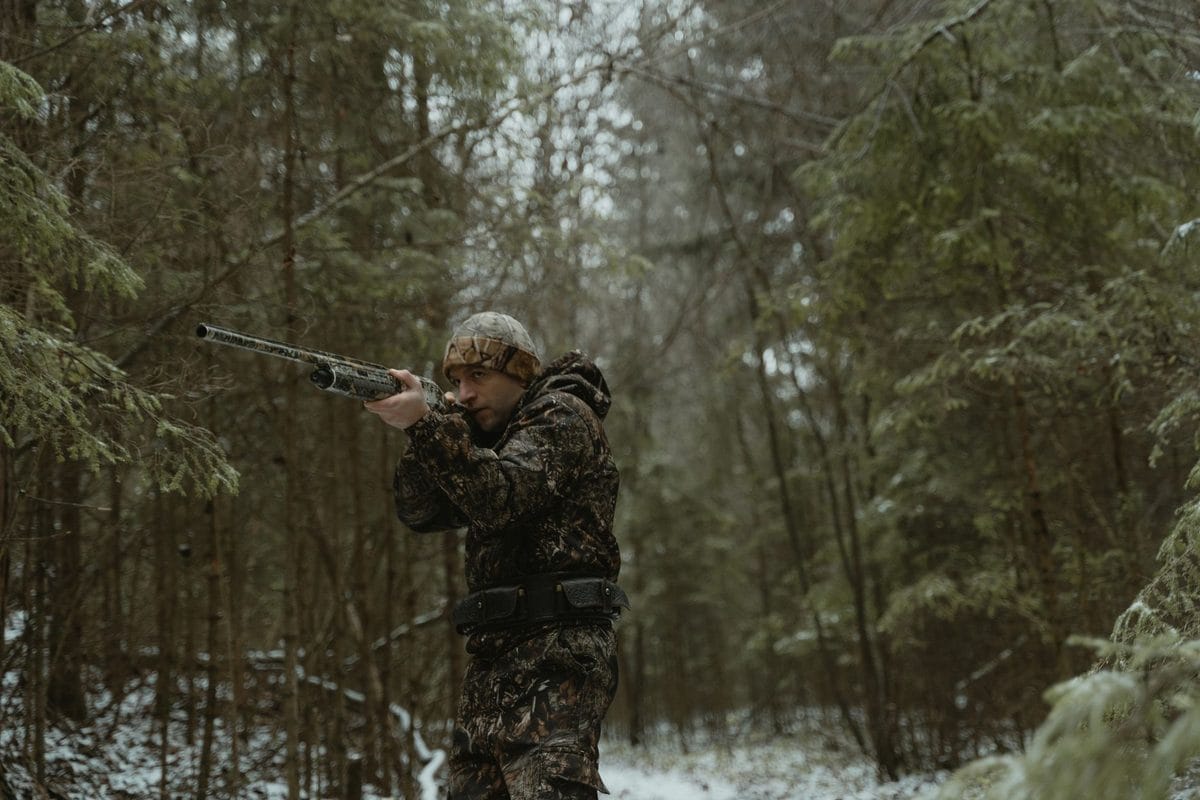
The envelope shows up sometime in June or July, and it's smaller than you'd expect for something this important. Colorado Parks and Wildlife, Montana Fish, Wildlife & Parks, or whichever state agency ran your draw has decided this is your year — you've got an elk tag, maybe your first one after two or three failed applications, and archery season opens in a matter of weeks. Then the panic sets in. You dig through the closet and find the .243 you've used on deer since high school, and you start wondering, quietly, whether that's actually going to cut it on an animal that can weigh 700 pounds and shrug off a marginal hit. It isn't — and figuring out what will, without torching your entire summer budget on a rifle setup you don't need, is the actual problem in front of you.
Every gun-counter clerk from a big chain to the local mom-and-pop shop has an opinion, and most of them are trying to sell you something on top of what you actually need. Here's that same conversation without the upsell.
Why Caliber Beats Brand Loyalty
Start with the cartridge, not the rifle. Elk run roughly three times the body weight of a whitetail deer, and a bullet that drops a 150-pound buck in its tracks can fail to reach the vitals on a bull elk if it doesn't carry enough weight and penetration behind it. The classic elk cartridges — .30-06 Springfield, 7mm Remington Magnum, .300 Winchester Magnum, and more recently 6.5 PRC and .28 Nosler — all push bullets in the 140- to 200-grain range with enough retained energy past 300 yards to anchor an animal that size. Where hunters go wrong is picking a magnum they can't shoot well under pressure: a .300 Win Mag generates 25 to 30 percent more recoil than a .30-06, and if that makes you flinch on the one shot that actually matters, the extra knockdown power on paper means nothing. Take the .30-06 Springfield or the 7mm Remington Magnum for your first elk rifle — both have been killing elk since before your grandfather was born, factory ammunition sits on the shelf of literally every sporting goods store in elk country, and you'll actually enjoy practicing with one instead of dreading it. Save the .300 Win Mag for your second or third season, once flinching under recoil stops being a factor.
Five Rifles That Get the Job Done Without Emptying Your Wallet
Once you've settled on a caliber, the rifle itself matters less than most gun-shop conversations suggest — a $600 rifle in a well-chosen chambering, sighted in properly, kills just as much elk as a $2,500 custom build. These five show up on the recommendation list of nearly every outfitter and gun-counter regular who actually hunts elk instead of just selling gear for a living:
- Tikka T3x Lite ($850–$1,000) — light enough to carry all day above treeline in the Rockies, and the factory trigger is better than rifles costing twice as much.
- Savage Axis II ($450–$550), the budget pick that punches well above its price, though the stock flexes more than you'd like and an aftermarket sling stud is worth adding before opening day.
- Ruger American Predator ($500–$600)
- Browning X-Bolt Hunter ($900–$1,050)
- Bergara B-14 Ridge ($950–$1,100)
These aren't the only five worth considering, and a used Remington 700 or Winchester Model 70 out of a pawn shop rack will do the job just as well if the bore is clean and the price is right.
Optics Are Where the Real Money Should Go
Put the bulk of your budget into glass, not the receiver. A scope has to survive being knocked against rocks, function in fog and rain at 6 a.m., and hold zero after a five-mile pack-in — a $150 scope from a big-box discount shelf often can't do that reliably, and a fogged or shifted scope on the one morning you finally close the distance on a bull is a worse outcome than a slightly cheaper rifle. The Vortex Viper HD 3-9x40 (roughly $400–$500) and the Leupold VX-3HD (roughly $500–$650) both hold up to Rocky Mountain weather and come with warranties that Vortex and Leupold actually honor without a fight. Vortex's no-questions warranty alone has saved more than a few hunters an off-season sight-in appointment, since a cracked or fogged scope just gets replaced free of charge, no receipt required. Buy the $600 rifle and put $600 into one of those scopes rather than a $1,000 rifle topped with whatever came bundled at the counter; the modest-rifle-plus-good-glass setup will out-hunt the expensive-rifle-cheap-glass setup every time you're shooting past 150 yards. The one exception is timber hunting, where shots rarely stretch past 150 yards and a simpler $250 scope with a plain duplex reticle does the job just as well — in that case, put the savings into ammunition and range time instead.
Check the Regulations Before You Spend a Dollar
Every western state publishes minimum equipment rules for big game, and they're worth reading before you buy anything, not after. Most states require a centerfire rifle chambered in at least .24 caliber firing an expanding bullet for elk, which rules out the .22-250 sitting in your safe no matter how flat it shoots, and several states also set a minimum bullet weight or energy floor at 100 yards. Bowhunters face their own baseline: a 40-pound minimum draw weight is standard across most western states, and broadhead cutting-diameter minimums show up in places like Colorado and Wyoming. None of this is exotic information — it's printed in the same big-game regulations booklet that came with your license — but it's the first page hunters skip, right before they show up at camp with a rifle a game warden can legally take away from them.
If you're hunting a new state this year, call the regional wildlife office directly instead of trusting a hunting forum from three seasons ago. Regulations change from year to year, sometimes unit by unit within the same state, and the agency staff who answer those phones would rather field a five-minute question in July than write up a citation in September.
Dialing It In Before Archery and Rifle Season Open
You've realistically got six to eight weeks between the draw notification landing in your mailbox and archery season opening around September 1 in most western states — less if you're hunting a rifle season that opens in October or November instead. That's enough time to get comfortable with a new rifle, but only if you use it well. Sight in at 100 yards first, confirm it at 200, and if you're steady shooting prone or off a bipod, stretch to 300 so you know exactly where your bullet lands rather than guessing under pressure. Apps like Hornady's 4DOF or Strelok Pro will build a drop chart specific to your load in about ten minutes, and printing that chart and taping it to your stock costs nothing while beating any attempt to recall ballistics from memory with your hands shaking. Skip the bench entirely for your last few practice sessions — shoot from a pack rest, a set of shooting sticks, or kneeling against a tree, because that's the position you'll actually be in when a bull steps out of the timber at 4:45 p.m. with fifteen minutes of legal light left.
What You Can Skip on Your First Elk Hunt
You don't need a custom stock, a muzzle brake tuned to one specific handload, or a rifle chambered for something a competitive benchrest shooter would pick.
Match-grade custom ammunition sounds appealing until you check the price tag — $60 to $90 a box compared to $30 to $40 for a quality factory hunting round from Federal, Hornady, or Nosler that will group under two inches at 100 yards out of any of the rifles listed above. Skip the recoil-reducing "elk special" stock packages too; a fifteen-dollar slip-on recoil pad does almost the same job. Where the money is worth spending instead: a good sling, a solid set of shooting sticks, and one extra range day the week before you leave, because a rifle you've fired forty times feels completely different in your hands than one you've fired four.
None of this requires a rifle collection or a second mortgage. It requires one solid caliber, one honest scope, and enough range time that squeezing the trigger on a 700-pound animal in September doesn't feel like the first time you've done it under pressure.