Waterfowling in the Flyway: Mallards, Mudwater, and the Long Sit
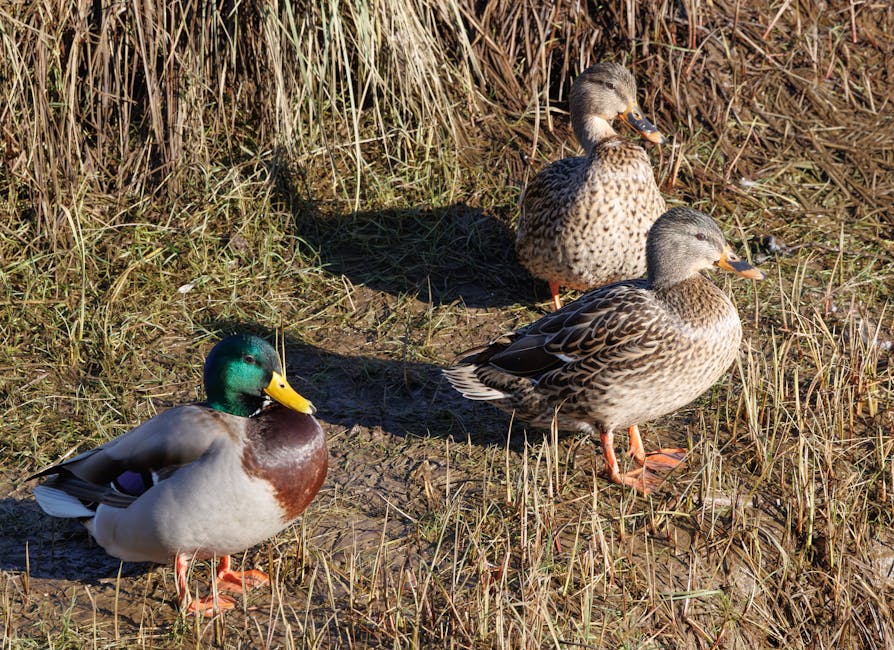
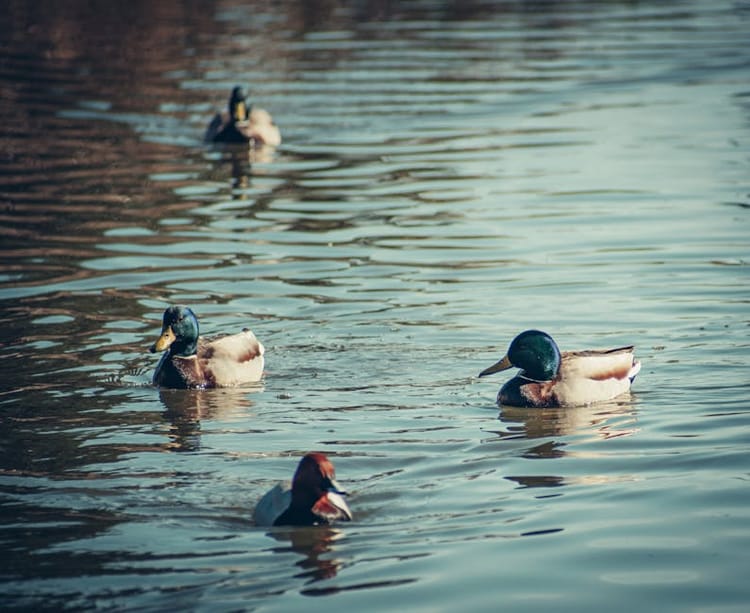
You grow up thinking duck hunting in the Mississippi Flyway is green-headed mallards pouring into flooded timber on every swing. You get there, you find out it's freezing cold, your waders leak, the ducks spent last night in Missouri, and the guy in the adjacent blind started calling before the birds were done circling.
Some days the old version of the hunt shows up. Most days it doesn't. Both are duck hunting.
The Flyway's Heart
Eastern Arkansas — Stuttgart, the White River bottoms, the Cache — is the mallard capital by sheer numbers. Tennessee and Kentucky get overflow. Mississippi River bottomland hardwoods hold late-migrating birds through January. Most public areas in this corridor allocate hunts by draw or lottery; Arkansas's public greentree reservoirs at Bayou Meto and Henry Gray Hurricane are famous and competitive.
Resident duck license with federal and state stamps: around $60. Non-resident: $250 to $400 depending on state.
Timber, Rice, or River
- Flooded timber — standing water in pin oak or willow timber. Mallards work the holes between trees. The classic Arkansas hunt.
- Harvested rice field — warmer weather option, large spreads, bigger groups of ducks, less intimate.
- River backwater — seasonal flooding creates pockets. Less predictable, harder to access, often best early season.
- Ag impoundments — moist soil units managed for duck food. Heavily pressured on public ground.
The Setup
For timber hunts: 12 to 30 mallard decoys, a jerk string, and a motion decoy (a spinning-wing if legal in your state; rules vary). You kick water with your boot to create ripple effect when birds work.
For field hunts: 4 to 12 dozen full-body mallard decoys plus a few Canadas for realism, layout blinds, and sometimes a mojo or motion setup.
Decoy Strategy
Mallards want to land into the wind and into open water. Leave a "hole" in your spread — an opening about 15 yards across, positioned where the birds will finish. Your blind or layout is at the edge of the hole, perpendicular to the wind.
A cluster of feeding decoys (heads down) facing into the wind, with a few active drakes on the edges, reads as realistic to a circling flight. Uniform spread of identical decoys reads as fake.
Calling
The hardest part for newcomers. A good mallard caller works birds quietly and rarely. The loud hail call is for long-distance attention-getting; once birds commit, you shift to feed chuckles, lonesome hen quacks, and eventually silence.
If you're starting: one call, often a double-reed acrylic — Rich-N-Tone or Echo at $120 to $250 — and practice for an entire off-season before you hunt with it. A bad caller ruins a set faster than bad decoys.
Shotgun and Loads
- Benelli Super Black Eagle 3 — $2,000. The ducking semi-auto standard.
- Beretta A400 Xtreme Plus — $1,800.
- Browning Maxus II Wicked Wing — $1,700.
- Winchester SX4 Waterfowl Hunter — $1,000. Budget semi-auto.
- Remington 870 Super Magnum — $700 used. Pump that won't quit.
Non-toxic shot mandatory. BBB, BB, #2, or #3 steel in 3-inch or 3.5-inch shells. Boss Shotshells (bismuth) and Federal Prairie Storm FS Steel are top choices. Steel loads are $17 to $35 a box; bismuth is $35 to $65.
The Waders
Neoprene waders are warm but heavy. Breathable waders with a jacket layered over them are more versatile. Sitka's Delta Zip wader runs $700; Drake's Guardian Elite are $500; Redhead and LaCrosse options are $250 to $400.
Wader leaks ruin hunts faster than any other gear failure. Spend the money on good waders and patch them early when pinholes show up.
The Honest Season
Arkansas's public areas open the first Saturday of November and run through the end of January. Peak mallard migration typically happens late December through mid-January, driven by cold fronts pushing birds south from the northern flyway.
A good year with cold, consistent weather puts thousands of birds in the flyway. A warm year leaves them north in Missouri and Illinois. There's not much you can do about the weather; you hunt the birds in front of you.
Limits and Reality
Federal bag limit is 6 ducks total with species restrictions (often 4 mallards of which 2 can be hens, 2 pintails, 1 black duck, etc.). Reaching a 6-duck limit on public land is a good day. 3 ducks in the bag, with a morning of birds working and two kids shooting their first drakes, is a better day.
Most hunters who duck hunt for years build a relationship with one area — public or leased — and learn how it responds to different wind, water levels, and migration timing. The first three years, you're lost. The fifth, you can tell which marsh holds birds by the cloud pattern two hours before shoot time.