The Best Fly Fishing Rivers in the American West (And Why Montana Still Wins)
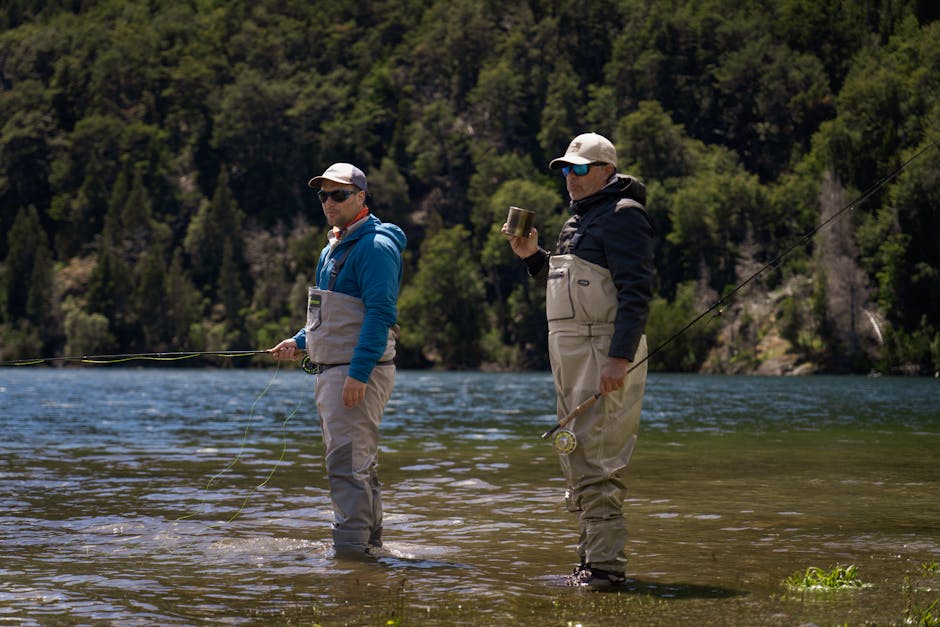
Everyone has a favorite western river, and most of them are defensible. The Madison, the Yellowstone, the Green, the Big Horn, the Henry's Fork — any of them can produce a day that ruins you for lesser water. Picking the "best" is mostly an exercise in priorities. But Montana keeps showing up at the top of the list for reasons that are not subtle.
Why Montana Still Wins
Four reasons:
- Stream access law — Montana's constitution and statute give public access up to the ordinary high water mark on any navigable river, including private ranchlands. You can wade through prime ranch water legally.
- Healthy native populations — wild cutthroat, rainbow, and brown trout reproduce in Montana rivers. Most fish you catch are not stocked.
- River diversity — freestone tailwaters, spring creeks, meandering meadow water, and everything in between within a day's drive of Bozeman
- Hatch richness — caddis, PMD, drake, salmonfly, midge, and terrestrial seasons all deliver productive fishing windows
The Madison
The Madison between Quake Lake and Ennis is the prototypical Montana river. Riffle and run water, ideal for wading, boat access from public put-ins. Healthy populations of rainbows and browns. Salmonfly hatch (late June to early July) draws anglers from around the country; it's crowded but it's also when 20-inch browns hit size 4 dry flies in shin-deep water.
The section from Quake Lake to Varney Bridge is technical wading with Yellowstone visitors doing first-time fly fishing. The stretch from Ennis downstream to the Beartrap Canyon is drift-boat water with heavy trout populations and less pressure midweek.
Best time: mid-July through mid-September. Weight: 5 or 6 weight, 9-foot rod.
The Yellowstone
Largest undammed river in the continental US. Runs from inside Yellowstone Park through Paradise Valley and into eastern Montana. Native Yellowstone cutthroat in the park water; rainbow and brown trout downstream.
The section from Livingston through Big Timber in summer months produces 16 to 20 inch rainbows and browns on hoppers, stimulators, and big streamers. The salmonfly hatch hits here too, typically two weeks after the Madison.
Access is mostly through public put-ins and state land. Drift boats dominate — wading is possible but the river is big.
The Bighorn
Tailwater below Yellowtail Dam in southeastern Montana. Not a fast river — meandering, deep, weedy. Known for its numbers of healthy rainbows and browns, including some trophies. The Bighorn fishes year-round because of the tailwater temperature regulation; February and March often fish as well as July.
The fishery is drift-boat dominant. Wade anglers work the riffles and seams. The flies are technical — size 18 to 22 PMD, midge, and baetis patterns — not a place for heavy salmonfly theater.
The Henry's Fork
Idaho, not Montana, but worth mentioning because it's arguably the finest dry-fly water in North America. The Railroad Ranch section (now Harriman State Park) is slow, flat, and famously challenging. Big rainbows that see every fly pattern ever tied and refuse most of them.
Best time: late June through early August for the big drake, PMD, and green drake hatches. You'll work for fish, but a 20-inch rainbow on a size 16 parachute Adams in the Ranch is the dry-fly memory some anglers chase for decades.
The Green River (Utah)
Below Flaming Gorge Dam in northeastern Utah. A tailwater with remarkably consistent flows, gin-clear water, and fish densities that border on unbelievable. The "A" section (Flaming Gorge to Little Hole) has an estimated 14,000 fish per mile in some stretches.
Downsides: it's a destination fishery, which means crowded in summer, and the fish are picky from pressure. It's also a high-elevation desert canyon — hot, windy, and visually different from forested Montana water.
Best time: April through October. The cicada hatch in May is an event.
The Missouri River
The stretch between Holter Dam and Cascade, Montana, is a tailwater holding large populations of wild rainbows and browns in the 14 to 20 inch range. Huge rainbows in the 24-inch class show up regularly. The river is big, slow, and weedy.
Primarily a drift boat fishery. Wading is limited to select access points. Hatches are spring and early summer — caddis, PMD, baetis, trico.
The Owyhee (Oregon/Idaho Border)
The sleeper pick on this list. The Owyhee Reservoir tailwater in eastern Oregon holds healthy brown trout populations and fishes like a Montana spring creek. Less pressure than the famous rivers, bigger browns than you'd expect from a desert tailwater.
Best time: April through June and September through October. The summer months get hot and low.
The Provo (Utah)
Two sections — Middle Provo (between Jordanelle and Deer Creek reservoirs) and Lower Provo (below Deer Creek). Both tailwaters with healthy brown and rainbow populations. The Middle Provo is more technical; the Lower Provo has bigger average fish and more browns.
Weekend crowds near Park City are real. Weekdays and early or late season, you'll find water.
The Rio Grande (Colorado) and the San Juan (New Mexico)
The San Juan below Navajo Dam is a tailwater trout factory in northwestern New Mexico. Huge populations of rainbows on tiny flies. Technical, crowded, and productive.
The Rio Grande headwaters in Colorado offer solitude and native Rio Grande cutthroat in smaller streams. Less numbers, more wild character.
The Real Winners
For your first serious western trip:
- If you want quantity and a classic Montana experience: Madison or Missouri
- If you want size: Bighorn or lower Yellowstone
- If you want dry-fly challenge: Henry's Fork or Madison during hatch peaks
- If you want to avoid crowds: Owyhee, Bighorn in winter, or smaller Montana tributaries
Getting There
Bozeman Yellowstone International is the hub for most Madison, Yellowstone, and Missouri trips. Billings works for the Bighorn. Salt Lake City for the Green. Idaho Falls for the Henry's Fork.
Budget for a week-long DIY trip on these rivers: $2,000 to $4,000 per person including airfare, truck rental or drive, lodging, food, guides for two days, and gas to move between rivers.
The Montana Case Closed
Montana's combination of access law, wild fish populations, and river diversity means even a slow day on the Madison beats a good day in most other places. The Rocky Mountain West as a whole is the best cold-water fly fishing destination in North America. Montana is the best part of it.
Visit once. Plan a return. That's how it works.