Smallmouth on the Fly: The Overlooked Warmwater Game
Smallmouth bass on a 6-weight in moving water may be the most underrated fly fishing in America. The flies, the water, and why guides quietly prefer them to trout.
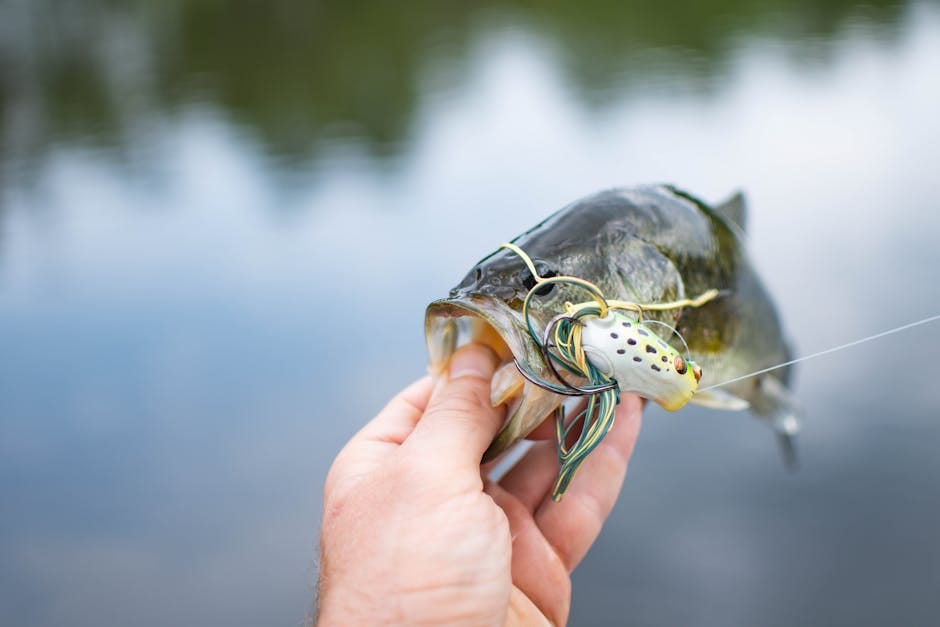
Ask a good guide what his day off looks like, and he's fishing smallmouth. The fish is strong, predatory, aggressive on surface flies, readily found in rivers across the eastern half of the US, and largely ignored by fly anglers who think trout are the only game worth playing. Smallmouth fly fishing is the unsung beauty of American warmwater angling.
Why Smallmouth Beat Trout (Sometimes)
A 16-inch smallmouth in river current fights harder than most trout of the same length. They run, they jump, they dive, they throw hooks. Pound for pound, they're the most athletic freshwater fish in North America outside of steelhead and salmon.
They eat aggressively. Smallmouth will hit a popper thrown 40 feet off the bow of a drift boat. They'll crush a streamer stripped through a seam. They'll inhale a crayfish pattern drifted along a ledge. Dry-fly purism doesn't apply — they eat what's moving, and they eat with commitment.
They're accessible. Good smallmouth water is within driving distance of most of the eastern US. You don't have to fly to Montana.
Where They Live
The Susquehanna (Pennsylvania/Maryland)
The North and West branches of the Susquehanna and their confluences hold the most famous smallmouth water in the east. Shallow riffle-and-pool stretches with abundant food sources. Fish populations are strong; trophy smallmouth over 20 inches are realistic.
The Potomac (Virginia/Maryland/West Virginia)
Upstream of Harpers Ferry, the Potomac holds excellent smallmouth populations. Wade and drift boat access. Close to D.C., which means weekend crowds but nothing like a prime trout stream.
The James River (Virginia)
Upper and middle James hold smallmouth in every conceivable water type. Drift boat and wade access. The stretch from Lynchburg downstream is a smallmouth classic.
The New River (Virginia/West Virginia)
Despite the name, the oldest river in North America. Famous for big smallmouth, including trophy fish in the 20+ inch class. Mostly a drift boat fishery in the upper stretches.
The Shenandoah (Virginia/West Virginia)
North and South forks. Technical smallmouth water with smaller average fish but high populations and plenty of shots.
The White River (Arkansas)
Lower sections of the White and many of its tributaries hold smallmouth along with the famous trout.
Great Lakes Tributaries
The Niagara River, St. Lawrence River, and feeder streams to Lake Erie and Lake Ontario hold exceptional smallmouth populations. Fish in the 4 to 6-pound class show up.
The Upper Mississippi and Wisconsin Rivers
Excellent smallmouth fishing in multiple sections. Wisconsin's Flambeau, Chippewa, and Wolf rivers are productive smallmouth waters with less pressure than eastern destinations.
The Tackle
Smallmouth fly fishing is a 6 to 8 weight game. Different from trout tackle.
- Rod — 9-foot 6 or 7 weight fast-action. Sage Sonic, Orvis Helios 3D, St. Croix Evos. $400 to $900.
- Reel — large arbor with a sealed drag. Ross Evolution LT, Orvis Hydros, Lamson Liquid. $150 to $450.
- Line — floating weight-forward line. Rio Smallmouth or Scientific Anglers Smallmouth Bass. $90 to $130.
- Leader — short, stout. 7 to 9 feet of 0X or 1X tippet. 10 to 15 lb test.
The Flies
Smallmouth eat aggressively and don't require trout-level imitation. Effective patterns:
- Poppers — Boogle Bug, Umpqua Frenchy, Todd's Wiggle Popper in chartreuse, yellow, or white. Size 2 to 6.
- Streamers — woolly bugger variants, Clouser Minnow in chartreuse-white or brown-olive, Muddler Minnow, Game Changer patterns. Size 4 to 8.
- Crayfish patterns — Near Nuff Crayfish, Crawbugger, Whit's Muddler Craw. Size 4 to 6.
- Attractor nymphs — Tellico, San Juan worm, big stonefly patterns. Size 6 to 10.
Unlike trout, smallmouth don't need perfect imitation. They need movement, profile, and the right color for the water conditions.
The Techniques
Topwater
Summer mornings and evenings. Cast a popper into current seams, pockets along grass beds, and shallow rocky flats. Let it sit, then twitch. Hits are explosive. Topwater action peaks in water temps 72 to 82°F.
Streamers
The workhorse technique. Cast across and slightly upstream, retrieve with 1 to 2-foot strips as the fly swings into the current. Smallmouth hold behind rocks and ledges, and they dart out to attack streamers crossing their field.
Drifted Crayfish
Dead-drift a weighted crayfish pattern through deeper pools and along ledges. Good for midday heat or post-cold-front conditions when topwater action is slow.
Nymphs
Under-appreciated for smallmouth. Indicator nymphing with attractor patterns catches fish when other methods fail.
Reading Smallmouth Water
Smallmouth use different lies than trout. They favor:
- Boulder fields with current breaks
- Ledges and rock shelves in 3 to 8 feet of water
- Edges of grass beds
- Eddies behind logs or rocks
- Deep pools with rocky structure
- Current seams around midriver obstructions
In moving water, smallmouth are opportunistic predators. They face upstream, hold in ambush positions, and dart out to take prey.
Seasonal Timing
- Spring (April-May): Pre-spawn to spawn. Big females move into shallows. Smaller males defend nests. Sight-fishing to spawning fish is legal most places but controversial ethically; many anglers pass on it.
- Summer (June-August): Prime time. Warm water, active feeding, topwater action. Morning and evening windows best.
- Fall (September-October): Feeding heavily for winter. Streamers excel. Fewer bugs but bigger fish.
- Winter (November-March): Slow. Fish go deep and feed sparsely. Some tailwater fisheries remain productive.
The Guide's Secret
Drift boat smallmouth trips on the James, Potomac, and Susquehanna routinely produce 30 to 60 fish days for competent anglers. Numbers like that don't happen on trout rivers except in hatchery tailwaters. The fishing is consistent, the fish fight hard, and the rivers aren't crowded with destination anglers.
Talk to your local guide. If he guides trout and smallmouth both, ask what his favorite day fishing looks like. The answer is usually smallmouth on a summer evening with a popper rod.