Dry Fly Purism Is Overrated: A Case for the Nymph
Dry fly fishing is romantic. Nymphing is how most trout actually eat. A practical defense of subsurface fishing in a sport obsessed with rises.
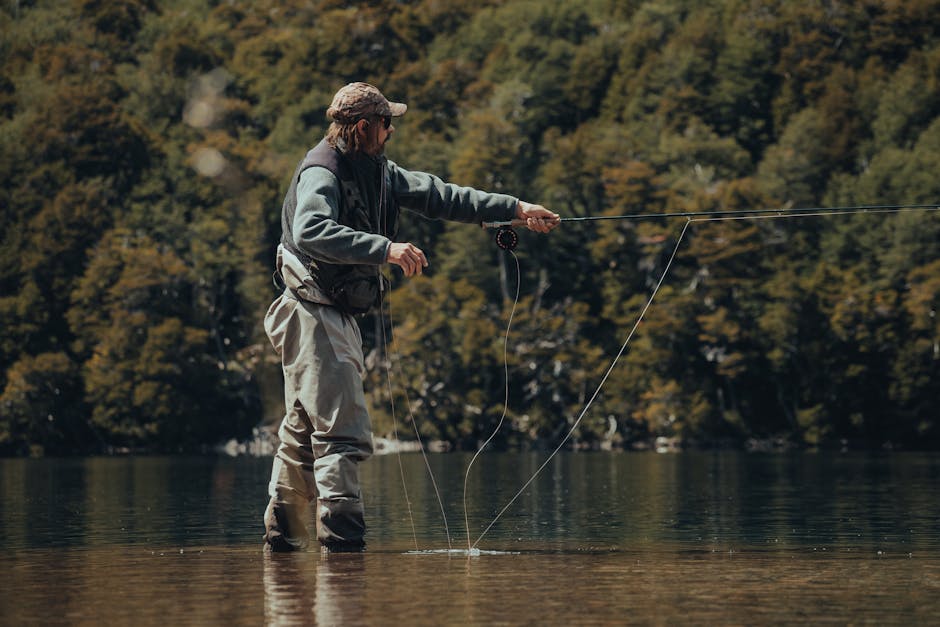
Every fly fishing magazine's cover shows a dry fly rising to a trout. The industry markets dry flies, dry fly rods, dry fly instructors, dry fly culture. Meanwhile, fisheries biologists have spent 50 years establishing that trout eat between 80 and 95 percent of their annual diet below the surface. The gap between what trout eat and what we fish for tells you something about our sport's relationship with evidence.
The Numbers
Studies of trout stomach contents across dozens of rivers show the following:
- 70 to 85 percent of daily feeding is on nymphs (subsurface insect larvae)
- 10 to 25 percent on emergers (insects in transition between nymph and winged adult)
- Under 15 percent on adult dry flies on the surface
- Small percentage on baitfish, crayfish, leeches, and other non-insect foods
These ratios vary by river, season, and hatch conditions. On a full hatch of drakes or PMDs during peak emergence, surface feeding briefly jumps. For the vast majority of the time, subsurface feeding dominates.
Why Dry Fly Purism Persists
The aesthetic case is strong. A brown trout rising to a size 16 parachute Adams is one of the most beautiful things in the sport. You see the fish, you see the take, and you connect through the fly line to the eat. It's vivid.
The historic case is older. American fly fishing in the 20th century descended partly from British chalk-stream traditions where dry fly to visible rising fish was the cultivated style. The tradition carried rules that got codified into "proper" fly fishing.
The marketing case is practical. Dry flies sell. Bobbers (indicators) and weighted nymphs don't look as elegant in catalog photos.
What Nymphing Is
Nymphing is fishing subsurface patterns that imitate insect larvae — caddis pupae, mayfly nymphs, midge larvae, stonefly nymphs. These patterns imitate the food trout actually eat most of the time.
Modern nymphing breaks into several styles:
- Indicator nymphing — a bobber (often called a strike indicator, yarn, or thingamabobber) suspends the nymph at a set depth while you drift it
- Euro nymphing — no indicator. A sighter line and heavily weighted flies let you feel or see takes by watching the line directly
- Tight-line nymphing — similar to Euro style, keeping minimal slack and maximum contact with the flies
- Swung nymphs — across-and-down presentations where the fly swings on a tight line, mimicking an emerger rising to the surface
When to Nymph vs. When to Fish Dries
Nymph When:
- There's no visible hatch
- Water is high, off-color, or cold
- Early in the morning before hatches start
- Late season when hatches are sparse
- In deep runs and pools where fish aren't surface-feeding
- Any time fish aren't consistently rising
Dry When:
- Fish are rising consistently
- Hatch is active and on the surface
- Low, clear water where you can see the presentation
- Evening spinner falls when adult mayflies are on the water
- Summer terrestrial season (hoppers, ants, beetles) when fish look up
Both When:
- A dry-dropper rig — dry fly on the leader with a nymph dropped below. Works on most water types.
- Emerger and crippled dun patterns that fish in or just below the surface film
The Skill Ceiling of Nymphing
Dry fly fishing tops out at matching the hatch, getting drag-free drifts, and spotting subtle rises. Hard, absolutely. Nymphing has its own ceiling that's at least as challenging:
- Reading water to figure out the right depth
- Weighting the rig for the current and depth
- Detecting takes that are almost invisible
- Mending line upstream to keep the nymph drifting naturally
- Recognizing that a "fish" take is different from a bottom tap, a weed snag, or a debris touch
A skilled nympher catches three times as many fish on the same water as a skilled dry-fly purist on most days.
The Euro Revolution
Competitive anglers — international fly fishing competitions, Team USA — drove the Euro nymphing technique from obscurity to mainstream in the last two decades. The technique won competitions because it outperformed indicator nymphing and dry fly fishing on the same water.
What's different:
- Long, light rods (10 to 11 feet, 2 or 3 weight)
- Specialized lines (Euro nymphing line, sighter mono)
- Heavily weighted tungsten bead nymphs
- Short, directly controlled drifts
- No indicator — takes are seen through sighter mono or felt through tight line
The technique works. It also looks less elegant than traditional dry fly fishing, which is part of why it took decades to gain acceptance in the United States.
The Snobbery Problem
Fly fishing culture sometimes treats nymphers like cheats. "That's not really fly fishing." "You're basically using a bobber." "A real angler would wait for a rise."
These comments miss the point. Fly fishing is fishing with flies on a fly rod with a fly line. The fish don't know whether your fly is wet or dry. A nymph fished well is every bit as challenging and rewarding as a dry fly fished well.
Equipment
You don't need a Euro-specific rod to nymph. A 9-foot 5-weight handles indicator nymphing, streamer fishing, and most dry fly work. Adding a 10-foot 2 or 3 weight as a dedicated Euro rod becomes useful after you've committed to the technique.
Essential nymph patterns: hare's ear, pheasant tail, prince, zebra midge, caddis pupa, stonefly nymph. In sizes 10 to 22. Tie them weighted with tungsten beads for deeper drifts.
Catching Fish Is the Point
Dry fly purism is fine if you enjoy it. I'd rather catch eight fish on nymphs than zero on dries. A day of indicator nymphing in off-color water with a dozen fish to the net isn't less valid than a day of sight-fishing rises with three takes.
Put the fly where the fish are eating. Most of the time, that's below the surface. Nothing about that is wrong.