There is a window most mornings in June, between first light and roughly ten o'clock, when a flat on the Gulf Coast turns into something a freshwater angler would not believe. The water goes glass-clear over white sand, a redfish pushes a wake as it noses along feeding, and you can watch the whole take from forty feet away. This is sight-fishing in its purest form, and in 2026, with water temperatures climbing into the low 80s through the month, the conditions line up for it almost every calm morning. The men who fish it seriously are on the water before the sun is, because the window closes the moment the wind picks up and the light gets high.
Redfish and snook drive the summer flats game on the Gulf, from the Florida panhandle down through the Ten Thousand Islands and across to the Texas coast around Port Aransas and the Laguna Madre. They behave differently and they reward different approaches, but they share a flat through June, and a good morning can put you on both. The redfish tail and cruise the open sand and grass; the snook hold tight to the mangrove edges and dock lines, ambushing bait from cover. Reading which fish you are looking at, and adjusting before you cast, is the skill that separates a productive morning from a long one.
The tackle that actually works on a summer flat
You do not need exotic gear, but you do need the right line weight and a leader that survives an abrasive fish on structure. For redfish on the open flat, a 7- or 8-weight fly rod or a 3000-size spinning reel on a 7-foot medium rod covers it. For snook around the mangroves, step up — those fish run straight back into the roots, and a 9-weight or a heavier spinning setup with 30-pound fluorocarbon leader is the difference between landing a fish and re-tying. A premium reel here matters more than people admit; a Shimano Stradic or a Penn Battle around the $150–$250 mark has the drag to turn a snook before it reaches cover.
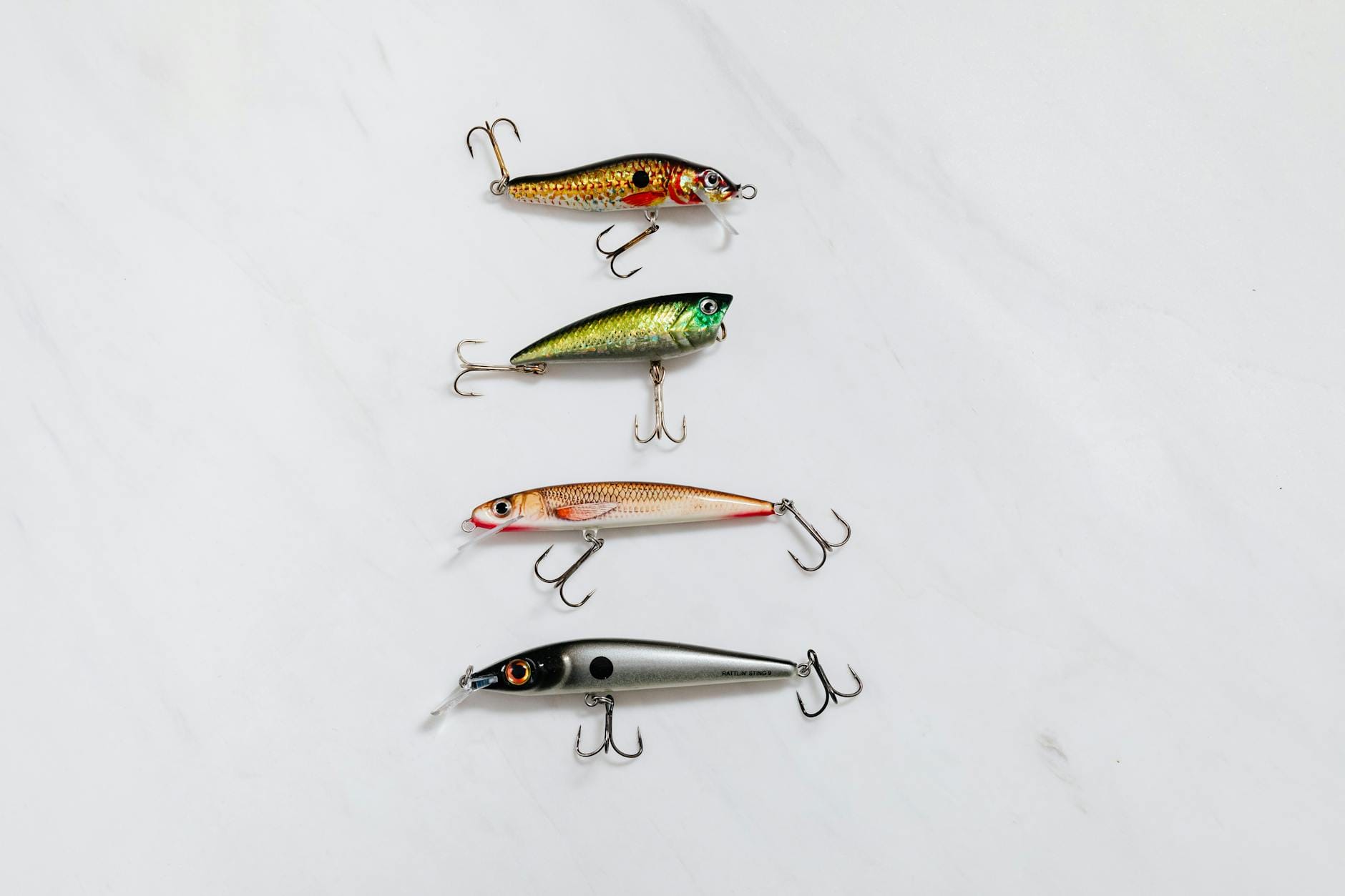
On the fly side, a weighted shrimp or crab pattern — a tan or root-beer EP shrimp, a small Clouser in chartreuse and white — covers most situations. On spinning gear, a soft plastic on a light jig head fished slow, or a topwater walked across a tailing redfish at first light, will draw vicious strikes. The topwater eat from a redfish in six inches of water is one of the best things in this sport, and June mornings are when it happens most reliably.
Reading the morning window
The whole game is light and wind. You want the sun high enough to see into the water but low enough that there is no glare bouncing off a rippled surface, which is why the hour after sunrise is gold and why a flat that fished beautifully at 7 a.m. can be unfishable by 11. Polarised glasses are not optional — a copper or amber lens cuts the surface glare and turns a blank-looking flat into one with three feeding fish on it. Costa, Smith and Bajio all make lenses built for exactly this, and the $200 you spend pays for itself the first morning you spot a fish you would otherwise have spooked.
Here is the catch that nobody mentions in the magazine articles, though. Summer flats fishing is the most weather-dependent fishing there is. A morning thunderstorm — and the Gulf coast builds them almost daily in June by early afternoon — will flatten your window entirely, and a few days of onshore wind can turn that gin-clear flat into chocolate milk for the better part of a week. You fish the conditions you are handed, and the men who consistently catch are the ones who check the wind forecast the night before and are willing to scrap a plan at 5 a.m.
Where to point the boat in June 2026
The Gulf has dozens of flats systems and most of them fish in summer, but a few stand out for accessibility and numbers. Florida's Mosquito Lagoon remains the redfish benchmark despite the seagrass struggles of recent years, and the fish are recovering on the cleaner flats. The Laguna Madre in Texas holds redfish in numbers that genuinely shock first-time visitors. And the snook fishing through southwest Florida, from Boca Grande down through the islands, peaks exactly now as the fish stage for the summer spawn.
- Fish a falling tide where you can. Both species concentrate as water drains off a flat, pushing them onto predictable edges and into the troughs where you can find them.
- Move slowly and quietly. A pushed-pole skiff or a quiet wade beats a trolling motor on a calm flat — these fish spook from noise long before they spook from your fly.
- Mind the snook closure dates and the redfish slot limits, which vary by state and have tightened in several Florida zones for 2026. Check the current regulations before you keep anything.
Get on the water before the sun, find a clean flat with a tailing fish on it, and put a shrimp pattern three feet ahead of where it is heading. That moment — the fish turning, the line coming tight, the explosion of a redfish in inches of water — is why men set alarms for 4:30 in June and call it a holiday.