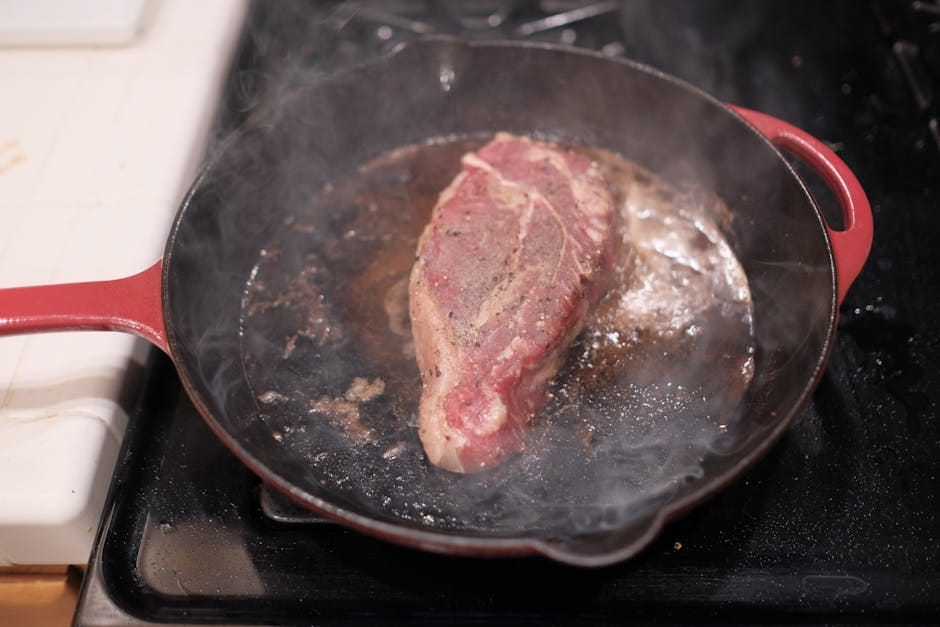
My neighbor's husband shot a decent 8-point whitetail last November in southern Minnesota, brought the deer to a local processor, and ended up with 40 pounds of assorted frozen packages. Roasts, steaks, burger. Six months later, most of that meat was still in her freezer because neither one of them could figure out how to cook it. They had tried a loin steak in the cast iron the way they would cook a ribeye and ended up with something that tasted like liver that had been stepped on. A pot roast had come out dry and chewy. Burgers made from the ground venison had been dense and flavorless. They were about to give the rest of it away, they told me at a cookout, because it just was not worth eating.
I took a chuck roast home that night, cooked it the next day, and dropped it off for dinner the day after. They ate the whole thing between the two of them and their kid. Same meat, different technique. Wild game does not taste bad. Wild game that has been poorly butchered, improperly aged, or wrongly cooked tastes bad. The meat itself, when handled correctly from field to table, is lean, clean, and better than most grocery store beef. But you have to know what you are doing, and most people do not.
What Makes Venison Taste Wrong
Three things ruin venison. The first is poor field handling. A deer that sat on the ground for four hours in warm weather before anyone touched it will taste gamey because the digestive system leaked. A deer that had its hide left on for a day in 60-degree weather will taste even worse. Getting the animal cooled, gutted, and either skinned or hung inside 30 minutes of the shot is 80 percent of flavor quality.
The second is silver skin and excessive fat. Venison fat does not render like beef fat. It has a tallowy, waxy texture that coats the palate and creates the characteristic funk people associate with "gamey" meat. Trim aggressively. All silver skin, all fat, off every cut. The meat itself is delicious. The fat is not.
The third is overcooking. Venison is extremely lean, around 95 percent lean at best. A standard whitetail backstrap has almost no intramuscular fat. Cook it past medium-rare and you have leathery, stringy protein with no moisture left. Beef can survive medium-well because the fat inside the muscle keeps it moist. Venison cannot. Hit medium-rare, or no hotter than 130 degrees internal, and pull it off the heat.
Backstrap: The Easiest Cut to Nail
The backstrap, or loin, is the most forgiving cut of venison when cooked correctly. It is also the least forgiving when cooked wrong. Here is the technique that works every time.
Cut the backstrap into 1.5-inch steaks. Salt generously with kosher salt at least 40 minutes before cooking. If you have more time, salt and refrigerate uncovered for two to six hours. This is a dry brine and it is the single most important step for venison. Get a heavy cast-iron pan screaming hot, smoking hot. Add a tablespoon of neutral oil. Sear the steaks 90 seconds per side. Drop the heat to medium-low, add two tablespoons of butter, a sprig of rosemary or thyme, and a crushed garlic clove. Baste the steaks with the butter, rocking the pan, for one more minute. Remove. Let rest 5 minutes.
Internal temperature target is 125 to 130 degrees. The butter baste finishes cooking while adding flavor. The dry brine concentrates the meat's natural flavor and seasons it to the bone. This technique works on backstrap, inside tenderloin, and sirloin cuts. It fails on any tougher cut.
What Not to Do
Do not marinate backstrap in soy sauce and Worcestershire and balsamic vinegar for 24 hours. This is the most common advice on the internet, and it is wrong. You are drowning the good flavor of the meat in acid and sugar. The finished product tastes like teriyaki, not like venison. If you want teriyaki, buy chicken. If you have a quality venison backstrap, salt it, sear it, and get out of the way.
Chuck Roast: Braise Don't Roast
The chuck roast, shoulder, and neck cuts are tough, sinewy, and full of connective tissue. They need low, slow, wet heat to break down into something tender. They will never be tender from a dry oven roast no matter what temperature you use. Braising is the only way.
My standard venison chuck roast recipe. Sear a 3 to 4 pound chuck roast in a Dutch oven with oil until deeply browned on all sides. Remove. Brown two large diced onions, four carrots cut into 2-inch pieces, and a head of garlic cut in half. Add a cup of red wine. Scrape up the brown bits from the bottom. Add two cups of beef broth, two tablespoons of tomato paste, a sprig of rosemary, a sprig of thyme, and a bay leaf. Return the roast to the pot. The liquid should come halfway up the meat. Cover. Braise at 325 degrees for three hours.
At the three-hour mark, the meat should shred with a fork. If it does not, give it another 45 minutes. Shred the meat, return to the pot with the cooking liquid, and serve over mashed potatoes or polenta. This is the dish I made for my neighbors. It is impossible to screw up if you hit the braise time.
Temperature Matters
325 degrees is the correct oven temperature. Lower, say 275, and the meat takes longer without much flavor improvement. Higher, say 400, and the braising liquid reduces too fast and the exterior of the meat dries out. 325 is the sweet spot.
Ground Venison: The Fat Problem
Ground venison has a fundamental problem. It has no fat. A standard burger needs around 20 percent fat for proper texture and flavor. Pure ground venison is less than 5 percent fat. Without adding fat, you get a dense, chewy, dry burger. The solution is adding fat during grinding.
I add 20 percent beef suet or ground beef fat to all my venison burger. A batch of 10 pounds of finished burger gets 8 pounds of trimmed venison and 2 pounds of beef suet from the local butcher. The fat is ground into the venison on the second pass through the grinder, distributing evenly through the meat. The finished product is indistinguishable from high-quality beef burger in texture, with cleaner flavor.
Some hunters use pork fat instead. Pork fat works but changes the flavor. It also introduces pork allergen concerns if you are giving meat to friends. Beef suet is neutral in flavor and universally acceptable. The local butcher will sell it to you for $1 to $2 a pound.
Breakfast Sausage
Venison breakfast sausage is one of the best uses of ground venison. Per 5 pounds of ground venison with 20 percent beef fat added, add 1.5 tablespoons of kosher salt, 2 teaspoons of coarse black pepper, 2 tablespoons of dried sage, 1 tablespoon of dried thyme, 1 teaspoon of ground nutmeg, 1 teaspoon of red pepper flakes, and 2 tablespoons of brown sugar. Mix thoroughly. Refrigerate overnight. Form into patties the next day. Freeze in wax-paper stacks for later use.
This is genuinely excellent sausage. Better than grocery-store Jimmy Dean, at a quarter of the cost, with clean ingredients you know. I make 15 pounds of this every fall after processing my deer and it lasts me through March.
Venison Jerky
Jerky is where tough cuts like the bottom round and top round shine. Cut the meat into 1/4-inch strips, always across the grain. Marinate in a mix of soy sauce, Worcestershire, brown sugar, black pepper, garlic powder, onion powder, and optionally a dash of liquid smoke for 12 to 24 hours. Dehydrate at 160 degrees for 4 to 6 hours depending on thickness.
Most dehydrators run too cool to properly finish jerky. An Excalibur dehydrator or a proper smoker holds 160 steadily. A $60 Nesco-type dehydrator may struggle to maintain that temp with a full load. For safety, the USDA recommends heating to 160 internal before or after dehydrating to kill potential pathogens. I do both.
Chili and Stew
Ground venison chili is one of the easiest ways to introduce skeptical eaters to wild game. Brown a pound of ground venison. Add a large diced onion, three cloves of minced garlic, two tablespoons of chili powder, a tablespoon of cumin, a tablespoon of paprika, a teaspoon of salt, two cans of diced tomatoes, two cans of black or kidney beans, and a cup of water. Simmer one hour. Serve with cornbread.
The spices mask any lingering gaminess for people who are worried about it, and the long simmer breaks down any toughness in the meat. I can feed a dinner party with this and the people who do not know it is venison never guess.
Smoked Venison Roast
A smoked venison top round makes an excellent pastrami substitute. Cure the roast for 5 to 7 days in the refrigerator with kosher salt, sodium nitrite, black pepper, coriander, and pink curing salt per the standard pastrami recipes in cookbooks like Meathead's Science of Great Barbecue. Smoke at 225 for 3 to 4 hours to an internal of 150, then steam for 1 hour.
Sliced thin across the grain, this is genuinely one of the best cold cuts you can make. The deli-style flavor is unmistakable and the leanness of venison is actually an advantage for pastrami, which is often too fatty when made from beef. Takes a full week, produces 3 to 4 pounds of finished product, worth the effort.
The Universal Lesson
Treat venison like the fine, lean protein it is. Season boldly. Do not cover it in sugar and acid. Trim every bit of fat and silver skin. Cook tender cuts hot and fast to medium-rare. Cook tough cuts low and slow with liquid. Add fat to ground meat. Respect the meat and the meat will respect you back.
My neighbor bought a slow cooker from Target the week after that chuck roast dinner and started working through her freezer. Six months later the freezer was empty and she had been asking me about processing advice for this coming fall. That is the trajectory. Once you get one meal right, the rest falls into place. The meat is not the problem. The technique is.