Steelhead on the Skagit: Swung Flies and Why You Won't Catch One
Swung-fly steelhead on the Skagit is the hardest fly fishing in North America. Here's what the hunt looks like, and why you'll go home empty the first trip.
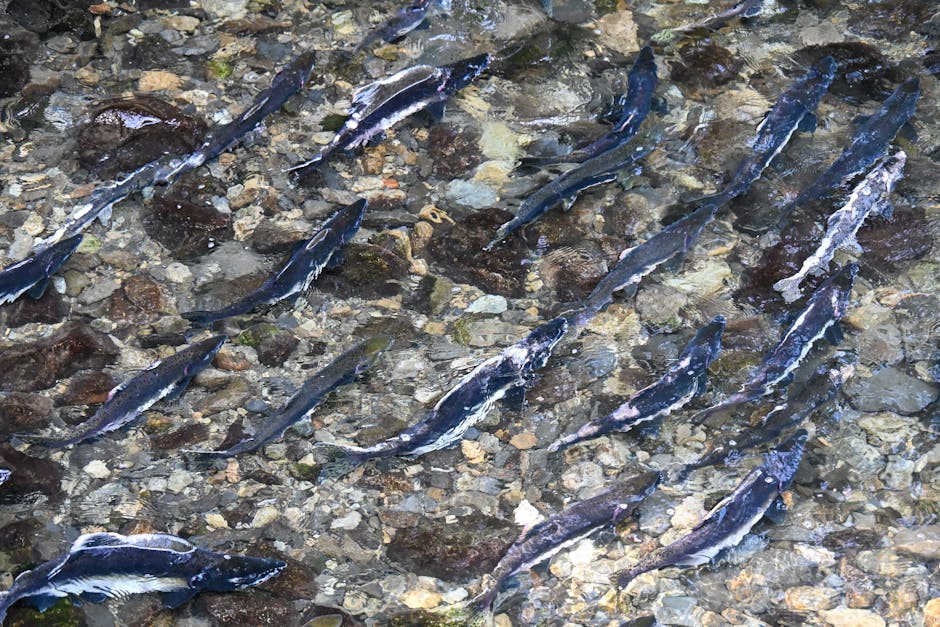
Wild winter steelhead in Washington's Skagit River are the most elusive fish a fly angler can legitimately pursue in the Lower 48. The fish are rare, the water is cold, the season is short, and the fly technique — swung flies on a two-handed rod — is inefficient by design.
This is the hunt that defines fly fishing for a certain kind of angler. Most of them spend years without touching a fish.
Wild Steelhead Reality
Pacific Northwest wild steelhead populations have declined dramatically over the last century. Dams, habitat loss, hatchery introgression, overharvest of prior decades, and ocean conditions all contribute. Many runs are listed under the Endangered Species Act.
The Skagit has a native winter run that returns from December through April. Estimated returns vary by year — historically 3,000 to 8,000 fish; low years under 2,000. Catch-and-release only; most sections are wild-only with no hatchery fish.
The fishery is managed with seasonal closures. The Washington Department of Fish and Wildlife posts emergency closures some years. Check regulations before you plan a trip.
Swung Flies and Spey Rods
The classic Pacific Northwest steelhead technique: a two-handed Spey rod (12 to 14 feet, 7 to 8 weight) fishes a fly on a tight-line "swing" across and downstream. The fly hangs in the current arc, pulling across the run at a 45-degree angle. You step down one or two rod-lengths and repeat.
Why swing flies instead of nymph? Two reasons, both partly cultural:
- Swinging flies in classic water covers more water and appeals to an aggressive fish
- The tradition of steelhead fly fishing was built around the swung fly approach, and ethics in the sport have settled on it as the pursued method
Nymphing for steelhead is legal on the Skagit but widely considered outside the ethical style of the fishery. On the Skagit specifically, nymphing was banned for a period in favor of "traditional" methods. Swinging is what you come here to do.
The Equipment
Spey rods are different from single-handed rods. Learning to cast one takes months, not weeks.
- Rod — 13 or 14-foot 7 or 8 weight Spey. Sage X, Winston Air Salt, Scott Radian Spey, Thomas and Thomas. $850 to $1,600.
- Reel — large arbor, strong drag. Hardy Ultralite MA 7000, Ross Evolution LTX, Nautilus CCF-X2. $400 to $900.
- Line system — Skagit head with sink-tip. Rio Skagit or Airflo Skagit Scandi. $80 to $120. Plus sink-tip tips of various densities.
- Leader — 3 to 5 feet of tippet material, 10 to 15 lb test
- Flies — classic winter steelhead patterns like Intruders, egg-sucking leeches, Aztec Steelhead, GP variations. Tied in purple, black, pink, blue, and chartreuse. Size 1/0 to 4.
The Casting Challenge
Spey casting uses the water's surface tension to anchor the line during the backstroke. The casts — double spey, single spey, snap T, snake roll — are different from single-handed fly casting. A week with an instructor before your first trip is essentially required.
Classes: The Confluence or Emerald Water Anglers in Seattle offer Spey instruction. Expect $200 to $400 per day. Worth it before investing in a trip where casting ability determines whether you even have a chance.
The Water
The Skagit's lower sections from Marblemount to Rockport are the popular swung-fly water. Classic runs have a steady 3 to 5 foot depth, moderate current speed, and a gravel or cobble bottom. Anglers walk down these runs at a steady pace, covering water.
Winter conditions: 35 to 45°F water, 20 to 50°F air, often raining, sometimes snowing. Ice on guides in January. Wind and cold rain for hours at a stretch.
The Drift Boat Option
Full-day drift boat trips with a local guide run $500 to $900 per rod. Guides know the runs, put you in fly-fishing position on the best water, and teach you to swing the fly effectively.
Recommended for first-timers. Unguided, you'll spend most of your time figuring out where to fish.
The Encounters
A typical day of swung-fly steelhead fishing on a Skagit run looks like:
- 6 to 10 hours of casting and stepping down
- Possibly one or two grabs (a grab is when a steelhead takes the fly; it may or may not hook up)
- Possibly one or zero hookups
- Possibly one or zero fish to the beach
Experienced swinging anglers on a decent run year average 1 fish per 80 to 100 hours of fishing. That's not 80 hours of casting to visible fish — it's 80 hours of blind casting through classic water.
A five-day trip might produce no fish for a competent angler. It might produce one. A two-fish trip is a memorable success.
The Part That Makes It Worth It
The grab of a fresh winter steelhead on a swung fly is the feeling most anglers describe in reverent tones — a solid stop, then a peel of line that feels like nothing else. The fight, on a Spey rod, is long and unpredictable. The fish is often 7 to 10 pounds of chrome, sometimes 12 or 15. You land it, you look at it, and you release it.
That's the moment you came for. And the hundred hours before and after it are the price.
Budget for a Trip
- Lodging in Rockport or Marblemount: $120 to $180 per night
- Guide for four days: $2,400 to $3,600
- Rental vehicle: $400 to $600 for a week
- Food and incidentals: $400 to $600
- Flights: $400 to $700
A full-service week on the Skagit, first trip, all in: $4,000 to $6,000. And you might not catch a fish.
The Mindset
Swing-fly steelheading is as much meditation as fishing. You step down the run. You cast. You swing. You step. You cast. You swing. The fish happens when it happens.
If you need to catch fish to enjoy your day, the Skagit will break your heart. If you can find satisfaction in water and technique and cold steel for its own sake, the river rewards that patience — sometimes with a fish, sometimes with just the experience itself.
That's the whole point.