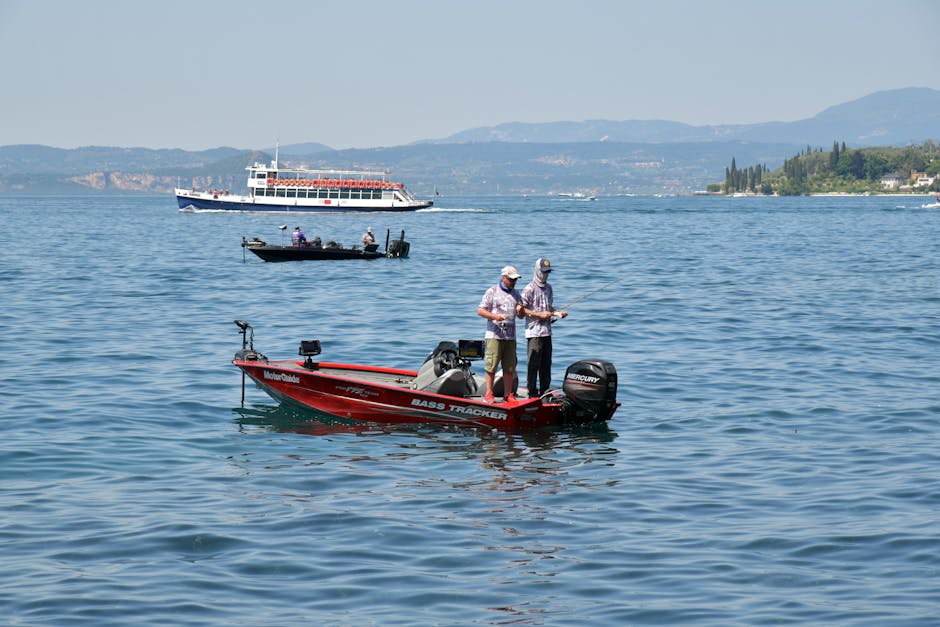
Flipping and pitching is largemouth bass fishing at point-blank range. You're within 20 feet of the target. The cast is silent, the presentation is precise, and you're fishing cover most anglers can't reach — the underside of boat docks, the tangle of laydowns, the depths of matted hyacinth or hydrilla.
It's the technique that separates tournament-level bass anglers from weekend guys with spinnerbait rods. Once you learn it, you'll wonder why you ever fished any other way in heavy cover.
The Difference
Flipping: a pendulum motion where you pull line off the reel by hand, swing the lure toward the target, and drop it with near-zero disturbance. Works at distances up to about 15 feet. Silent presentation.
Pitching: a controlled underhand cast using the reel's spool. Works at 15 to 30 feet, still quieter than a traditional overhead cast. Good for slightly longer distances where flipping doesn't reach.
Both techniques prioritize accuracy and stealth over distance. Bass under cover, in shallow water, don't tolerate noise. A splash of a skipping cast under a dock spooks every fish within 20 feet.
Why Heavy Cover
Bass relate to cover. Floating mats of vegetation, boat docks, laydown trees, stump fields, brush piles, and overhanging shorelines all concentrate bass. The fish sit under, inside, or next to cover, waiting for food to pass. Getting a lure into the exact spot they're holding — in inches, not yards — dramatically improves your catch rate.
Most bass anglers flip or pitch cover that the weekend guys ignore. The obvious cover gets pounded; the tight, awkward, under-the-dock cover often holds the bigger fish.
Rod and Reel
Flipping and pitching requires a specialized rod. Heavy power, fast action, 7-foot 6-inch to 8-foot length.
- G. Loomis GLX 894C JWR — $450. The classic flipping rod.
- St. Croix Legend Tournament 7'11" Flipping — $400.
- Dobyns Champion XP 7'6" Flipping — $280.
- Megabass Levante Flipping rod — $400.
- Lews Custom Pro Speed Stick Flipping — $250.
Reel: a high-speed (7.5:1 or faster) baitcaster. Daiwa Tatula SV TW, Shimano Curado K, Lews TP1X. $150 to $350.
Why the Long Rod
A longer rod gives you more leverage to horse a bass out of cover before it can wrap you around a stump. Heavy-action rods pull a 5-pound bass out of a laydown in one sweep. Lighter rods let the bass get tangled and break you off.
Line
- Braid: 50 to 65-pound test braid for matted grass and heavy cover. PowerPro, Sufix 832, Daiwa J-Braid. $25 to $50 per spool.
- Fluorocarbon: 20 to 25-pound fluoro for docks, laydowns, and open-water flipping. Seaguar Tatsu, Sunline Super FC Sniper. $25 to $60 per spool.
Braid is for true cover work where line visibility doesn't matter and strength does. Fluoro is for cleaner water and situations where line invisibility matters more than cover penetration.
Baits
The Jig
A flipping jig is 3/8 to 1 ounce with a weed guard and a compact skirt. Black-blue, green pumpkin, black-red, or brown-orange are the foundational colors.
- Strike King Hack Attack Heavy Cover Jig — $5 to $7.
- Buckeye Mop Jig — $6 to $8.
- Santone Lures Rayburn Flipping Jig — $7 to $10.
Trailer: a soft plastic craw like a Strike King Rage Craw, Zoom Super Chunk, or Yamamoto Double Tail Grub.
Texas-Rigged Creature Baits
A 3/8 to 1 ounce tungsten weight, pegged to the line with a bobber stop, paired with a wide-gap flipping hook and a creature bait. Zoom Brush Hog, Strike King Game Hawg, Berkley PowerBait Power Hawg.
Punching Rigs
For matted vegetation, a 1 to 1.5-ounce tungsten punch weight paired with a compact creature bait. Powerful rod, heavy braid, and vertical presentation to punch through the mat and drop the bait in the clear water below.
The Technique
Flipping
- Pull off line by hand equal to roughly the distance to the target
- Hold the lure in your off hand
- Swing the rod tip back, then forward, releasing the lure with a pendulum motion
- Let the lure drop silently into the cover
- Watch the line for any twitch or jump indicating a bite
Pitching
- Thumb the reel spool
- Drop the lure below the reel
- Swing the rod tip upward and forward in one controlled motion
- Release thumb pressure as the rod reaches horizontal, letting line feed out
- Engage thumb at the right moment to stop the lure at the target
Both techniques take practice. A backyard bucket or a dock piling is ideal for dry-land practice. Hundreds of reps before you develop feel.
Reading the Bite
Bass flipping bites are often subtle. The line moves sideways, or the lure "feels heavier" on the pickup, or you see a flash of the fish mouth as it inhales. Set the hook hard and fast — you're fishing in cover, and a late hookset buries the fish in branches.
Water Conditions
Flipping works best in:
- Stained or slightly dirty water — bass can't see you, but the lure is visible enough
- Warm water (65°F and up) — bass are shallow and active
- Areas with concentrated cover — matted grass in the Delta, docks in a reservoir, laydowns on a river
Clear, calm water with sparse cover is not flipping water — it's long-cast, light-line water for spinnerbaits and crankbaits.
Tournament Pros Who Built Flipping
Names like Denny Brauer, Tommy Biffle, Rick Clunn, and modern practitioners like Aaron Martens built flipping and pitching into a legitimate tournament technique. Their contributions: heavier rods, refined jig design, the specialized flipping hook, and the understanding that cover-holding bass can be caught if you can reach them silently.
Modern tournament anglers use flipping and pitching as their go-to technique for 30 to 50 percent of their fishable water on most days.
The Honest Learning Curve
Your first 50 flipping casts will be awkward, loud, and inaccurate. Your first 200 will still be slower than pros make it look. By rep 500 or 1,000, you'll start to look like someone who knows what he's doing.
Stick with it. The bass you catch flipping a jig into the shadow of a dock piling that nobody else reached will reward the practice time.