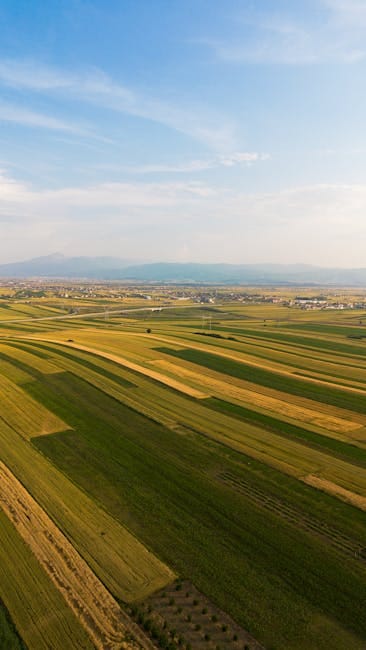
In 2012 my hunting group leased 640 acres of rolling hardwoods in southwestern Wisconsin for $12 an acre. Eight hunters at $960 each for the year, plus a modest insurance surcharge and some improvements we did ourselves. By 2024, that same parcel was listed at $35 an acre. Our group had disbanded by then for unrelated reasons, but the economic landscape of hunting leases has fundamentally changed in the last decade. What used to be affordable for a middle-class hunter with some friends to split the cost is now a luxury product in many parts of the country.
This article is about the actual economics of hunting leases in the United States, based on what I have seen across Wisconsin, Illinois, Iowa, Texas, Oklahoma, and Missouri over 25 years of hunting and visiting lease operations. Prices vary wildly by region and by property quality. Expectations do too. Going into a lease without knowing what you should pay and what you should get sets you up to overpay for mediocre hunting, which most new lessees do.
Regional Price Ranges
Upper Midwest, Wisconsin, Michigan, Minnesota, Ohio hardwoods country. $15 to $45 per acre per year for basic deer hunting access. Premium properties with timber management, active food plots, and exclusive access run $40 to $75 per acre.
Corn Belt, Illinois, Iowa, Indiana. This is prime whitetail country and prices reflect it. $25 to $80 per acre for average property. $75 to $150 per acre for premium properties with proven trophy-buck harvest history. Iowa specifically is the most expensive big-buck state, where top properties can hit $200 per acre.
Texas Hill Country and brush country. $10 to $25 per acre for whitetail and feral hog access on working ranches, often with high fence and exotic game. $25 to $75 per acre for premium properties with managed herds and low hunter density.
Plains states, Oklahoma, Kansas, Nebraska. $15 to $40 per acre for mixed turkey and deer access. Mule deer properties more expensive than pure whitetail properties.
Southeast, Alabama, Georgia, Mississippi. $15 to $30 per acre for average properties. Timber company leases, where the landowner's primary revenue is pulpwood, tend to be the most affordable.
West, Montana, Wyoming, Idaho. Private-land hunting is often not structured as annual leases but rather as outfitter arrangements or daily trespass fees. When annual leases do exist, expect $5 to $20 per acre for marginal property, $30 to $75 for premium.
What Drives the Price
Four factors matter more than others. First, the number of hunters per acre. A 160-acre lease with two hunters is entirely different from a 160-acre lease with six hunters, even though the acreage is identical. Always know the exact hunter count, in writing, before signing.
Second, habitat quality. Mature hardwoods and transition edge with food plots, standing crops, and water will produce more deer than pine plantation without food. The price should reflect habitat quality. Walk the property before signing, ideally in late summer when cover is at its peak. Look for fresh sign, deer trails, rub lines, and bedding areas. Any experienced hunter can read habitat in 20 minutes on a new property.
Third, access and amenities. A property with a gated road, lockable barn, existing stands, food plots, and water access is worth more than a bare property with nothing. Some leases include stands and cameras that stay. Others require you to bring everything. The difference is hundreds of dollars and several weekends of labor.
Fourth, deer density and buck quality. A property that has historically produced 140-plus bucks is worth more than a property that produces only does and small bucks. Trail camera history, photos of past bucks, and harvest records are the best way to verify claims. Landowners and outfitters sometimes exaggerate. Data is better than stories.
What a Fair Lease Should Include
The lease should be in writing, signed by both parties, with specific terms. At minimum, the written agreement should include.
Total acreage and boundary description, ideally with a map. Maximum number of hunters authorized. Annual fee and payment terms, with a due date. Start and end date of the lease term. What the hunter is permitted to do, such as clear shooting lanes, build stands, and plant food plots. What the hunter is not permitted to do, such as introduce dogs or bring non-lessee guests.
Insurance and liability clauses. Most landowners require the lessee to carry liability insurance, usually at $1 million in coverage, which costs about $200 to $300 per year through sportsman-specific policies. Some lease operations are inclusive of liability, others are not. Clarify in writing.
Rules on access dates, season access, and non-hunting use. Can you drive on the property in the off-season? Can you bring your family for a picnic? Can you access the property during deer season for scouting only without hunting? All of this should be specified.
Harvest rules, if applicable. Some leases require specific buck criteria, no bucks under a certain age or antler spread, or have doe harvest quotas. These rules vary widely and should be in writing.
Renewal terms. Right of first refusal for next year is common. Without it, you may spend $3,000 improving the property only to lose it the next year.
Red Flags
A landowner who will not put terms in writing is a red flag. A landowner who will not provide a property map is a red flag. A lease that is priced significantly below regional norms often has hidden issues, usually excessive hunter pressure or overlapping use by family members or previous lessees who still show up to hunt.
A lease where the landowner or his family hunts is often complicated. Sometimes it works. Sometimes they ghost-hunt the property and shoot every buck you had patterned. Ask explicit questions about who else hunts the property and under what conditions.
Leases sold through online platforms are a mixed bag. Some are legitimate. Some are scams. Some are overpriced relative to regional norms. Verify the landowner's identity, view the property in person, and check county records to confirm ownership before sending money.
The Self-Improvement Economics
A lease pays off over multiple years if you improve it consistently. Food plots, mineral stations, stand locations, and shooting lane maintenance all improve hunting quality. A property that produces mediocre hunting in year one can produce excellent hunting by year three or four if you invest $2,000 to $5,000 per year in habitat and management.
This requires a long-term lease, ideally a 5-plus year term with renewal options, or a multi-year commitment from the landowner. A one-year lease with no renewal guarantees is not worth significant investment beyond basic stand placement.
Food plot costs run $300 to $800 per acre for seed, fertilizer, and labor, depending on complexity. A 3-acre food plot program costs $1,000 to $2,500 the first year and less in subsequent years. This is one of the highest-ROI investments on a hunting lease.
Alternative Access Strategies
If leasing is out of your budget, public land hunting remains free and excellent in many states. National forest, state forest, state wildlife management area, and BLM land collectively represent hundreds of millions of acres of huntable ground in the United States. The hunting pressure is higher than on private land, but the cost is license fees only.
Walk-in access programs, run by state wildlife agencies in Kansas, Nebraska, Wyoming, South Dakota, and others, provide access to private lands for a modest fee or as part of a hunting license. These programs vary in quality and are worth investigating before signing a commercial lease.
Outfitter bookings for a specific hunt, rather than annual lease access, make sense for hunters who only hunt a particular property a few days a year. A 5-day outfitted Iowa buck hunt runs $3,500 to $8,000 per hunter, which is comparable to or less than an annual lease for equivalent hunting quality.
Smaller leases shared by larger groups are also an option. A 80-acre property at $30 per acre is $2,400 per year, which split between 4 hunters is $600 each. This works for tight groups with compatible hunting styles. It does not work if the hunters fight about stand locations or harvest rules.
The Honest Math
If you hunt 15 days a year on a $3,000 annual lease, you are paying $200 per hunt day for access. If you take one buck a year, your cost per buck is $3,000 before equipment, gas, processing, and time. Compared to a fully outfitted hunt at $5,000 for one buck, it is cheaper on paper.
But the real math includes the value of extended access, scouting time, family days on the property, summer fishing on property ponds, turkey hunting, and small game. A good lease is worth more than just the deer harvest. A bad lease is worth less than the number on paper.
Walk away from any lease that does not feel right. There are always other opportunities. Landowners who do not communicate well, properties that look marginal in person, and prices that seem too high for what is offered are all reasons to say no. The right lease is the one where you feel welcome on the land, where the habitat supports quality hunting, and where the price is fair for the region and the property. It exists. It just takes looking.