In 2014 my chest freezer died during a July heat wave in central Wisconsin while my wife and I were camping in the Porcupine Mountains. When we got home three days later, 40 pounds of last fall's venison, 30 pounds of frozen salmon from a summer trip to Alaska, and various random vegetables and fruits were all rotting. Everything went in the dumpster. That was about $600 of meat, not counting my time in hunting and fishing for it, and it was the last time I let myself be that dependent on an electric freezer for all my wild game storage.
I bought a pressure canner that fall, a 23-quart Presto, for about $130. Over the next decade I have canned hundreds of pints of venison, pints of salmon, quarts of broth, and occasional jars of upland game. The pressure-canned jars sit on shelves in my basement. They do not require electricity. They last three to five years without quality loss, and sometimes longer. They also taste excellent, in some preparations genuinely better than freshly cooked meat. Canning is one of the most under-utilized techniques in wild game preservation, and if you have not tried it, you are missing out on a skill that is simple, safe, and profoundly useful.
Why Pressure Canning, Not Water Bath
Meat, poultry, and seafood must be pressure canned, never water-bath canned. This is a food safety non-negotiable. Water-bath canning reaches only 212 degrees, the boiling point of water. That is not hot enough to kill Clostridium botulinum spores, which can survive at 212 and produce deadly botulinum toxin inside a sealed jar of low-acid food. Pressure canning reaches 240 to 250 degrees inside a sealed pressure canner, which does kill the spores.
If you see a recipe online for canning meat in a water-bath canner, it is wrong. Ignore it. The USDA and the National Center for Home Food Preservation both require pressure canning for meats, without exception. This is not an area for experimentation or improvisation. Use a tested recipe from the Ball Blue Book or the USDA Complete Guide to Home Canning.
The Pressure Canner
A 23-quart Presto pressure canner is the most popular home model and is what I use. It retails around $130. The All American Pressure Canner, in 15 to 30-quart sizes, is heavier duty and lasts longer. It is also about $300. Either works. The Presto has a rubber gasket that needs replacement every few years. The All American uses a metal-to-metal seal that lasts decades.
If you can only afford the Presto, buy it. If you plan to can for 20 years, the All American is the better long-term investment. Do not buy cheaper Chinese-made pressure canners. The pressure regulation is less reliable and the safety is compromised.
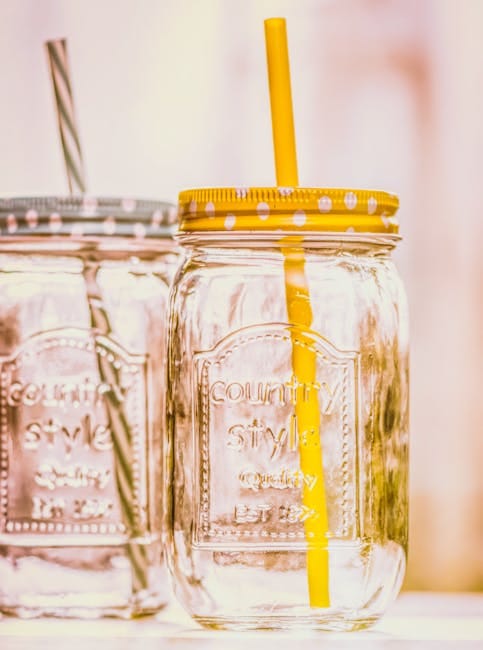
Wide-mouth pint jars are the best size for meat. Quarts work for larger pieces. Half-pints are only useful for small amounts of meat or for jam and jelly. Buy good lids. The Ball or Kerr branded lids are worth the extra dollar. Cheap generic lids fail more often, and a failed seal means a ruined jar of meat.
Canning Venison Cubes
Raw-pack venison cubes are the simplest wild-game canning project. Take lean trimmed venison, cut into 1 to 2 inch cubes. No fat, no silver skin. Pack raw into clean pint jars, leaving 1 inch of headspace. Add 1 teaspoon of kosher salt per pint if desired. Do not add liquid. The meat will release its own juice during processing.
Wipe the jar rims with a clean cloth. Place a sterilized lid and ring on each jar. Tighten to fingertip-tight, not gorilla-tight.
Load the pressure canner with 3 inches of hot water in the bottom. Place the filled jars on the rack inside. Lock the lid. Heat over medium-high until steam vents consistently from the vent port. Let it vent for 10 minutes to expel air. Then place the weight or close the vent. Bring the canner up to 10 pounds of pressure for weighted-gauge canners at sea level, or adjust for your altitude. My Wisconsin elevation requires 11 pounds.
Process pints for 75 minutes, quarts for 90 minutes. Let the canner depressurize naturally, do not force it. When the pressure gauge returns to zero, wait 10 more minutes. Then open the canner carefully, pointing the steam away from your face.
Remove the jars to a towel on the counter. Do not touch for 12 to 24 hours. You will hear the lids popping as they seal. A sealed lid is concave. A failed lid is flat or convex. Failed lids mean the meat must be refrigerated and used within a few days or re-canned with a new lid.
What You Get
The finished product is essentially slow-cooked venison in its own juices. The meat is tender, completely cooked, and ready to eat directly from the jar or to add to stews, chilis, stroganoffs, or pot pies. Open a jar, drain the liquid into your pot, add the meat, and you have 30 minutes of dinner prep reduced to 5 minutes. This is tremendously useful for working weeknights.
Shelf life is 3 to 5 years in a cool, dark place, or longer. Modern food science says that properly canned meat is safe indefinitely as long as the seal is intact, though flavor and texture slowly degrade after 5 years. I eat through my canned venison in 2 to 3 years, well within the freshness window.
Canning Salmon
Salmon canning is similar to venison but with different timing and preparation. Remove skin and bones from salmon fillets. Cut into pieces that fit into jars. Pack raw salmon pieces into half-pint or pint jars with 1/2 teaspoon kosher salt per half-pint. Do not add liquid. Do not pack too tightly. Leave 1 inch headspace.
Process at 10 to 11 pounds for 100 minutes, regardless of jar size. Yes, 100 minutes. Seafood requires longer processing than meat because of the structural density of the fish. The long time produces a finished product similar to commercial canned salmon, with soft edible bones if you leave them in, which I do not because I find the texture off-putting.
Canned salmon from your own fish is dramatically better than anything in a grocery store. I make salmon patties, salmon salad sandwiches, and salmon cakes from canned salmon through the winter. A summer trip to Alaska produces 20 to 40 pints of canned salmon, which my family eats through over the next year. It is one of the best outputs of a self-guided salmon trip.
Canning Upland Game
Pheasant, grouse, and turkey breast all can similarly to venison. Remove skin. Cut into pieces that fit a pint jar. Raw-pack with 1/2 teaspoon salt per pint. Process pints for 75 minutes, quarts for 90, at 10 to 11 pounds.
Canned pheasant is excellent for chicken-style salads, soups, and potpies. Canned grouse is good for the same. The slow pressure-cooking process breaks down the tougher muscle of game birds into something genuinely tender, more so than short-cooking methods often produce.
Canned turkey is shelf-stable, cooked turkey breast meat, which is useful for quick meals. I can about 6 pints of turkey each spring from whatever birds I have taken, and they get used throughout the year for lunches and sandwiches.
Canning Broth
Deer bones, elk bones, and fish carcasses make excellent broth that also cans well. Simmer bones with onions, carrots, celery, peppercorns, and a bay leaf for 8 to 12 hours. Strain. Pack the hot broth into jars with 1 inch of headspace. Process pints for 20 minutes, quarts for 25 minutes, at 10 to 11 pounds.
Home-made canned broth from wild-game bones is one of the most useful pantry items you can produce. It makes better soup, risotto, and braising liquid than any commercial product. A deer carcass can produce 8 to 12 pints of broth. An elk carcass can produce 20 to 30 pints. This is food value that most hunters throw away.
Safety Is Non-Negotiable
Follow USDA processing times exactly. Do not cut corners. Do not assume your meat is fine because it looks fine. Clostridium botulinum produces invisible, odorless, tasteless toxin that can kill you in small doses. A 2-cent shortcut in a canning process can produce a deadly jar.
If a jar seal fails, the food must be refrigerated and used within days, or it goes in the garbage. If a sealed jar smells off when opened, if the liquid is cloudy when it should be clear, if the seal has bubbled up, throw it out. Do not taste. Do not even risk it. Botulism toxin is destroyed by boiling for 10 minutes, so if you are unsure, a 10-minute boil before consumption is a reasonable safety step, but prevention is infinitely better than cure.
Read the Ball Blue Book. Read the USDA Complete Guide to Home Canning. These are free online or cheap to buy in print. They contain every recipe and every processing time you need for the entire range of wild-game canning. Follow them exactly and you will never have a problem.
The Long Game
Canning is slower upfront than freezing. A batch of 7 pints of venison takes about 3 hours from start to finish, counting prep, processing time, and cool-down. But the jars then sit on a shelf for years, requiring no electricity, no freezer space, no worry about power outages or freezer failures. In a self-sufficient country-living sense, canned wild game is one of the most valuable pantry items you can produce.
When my freezer died that July, I lost everything. If I had canned even half of that venison, I would still have had a winter's worth of food. Every hunter should learn pressure canning. It takes a few hours to learn, a few hundred dollars to equip, and it pays dividends for decades of wild-game preservation.